How Do You Choose the Right Gully Grating for Road and Drainage Projects?
Author : Shree Industries | Published On : 17 Nov 2026
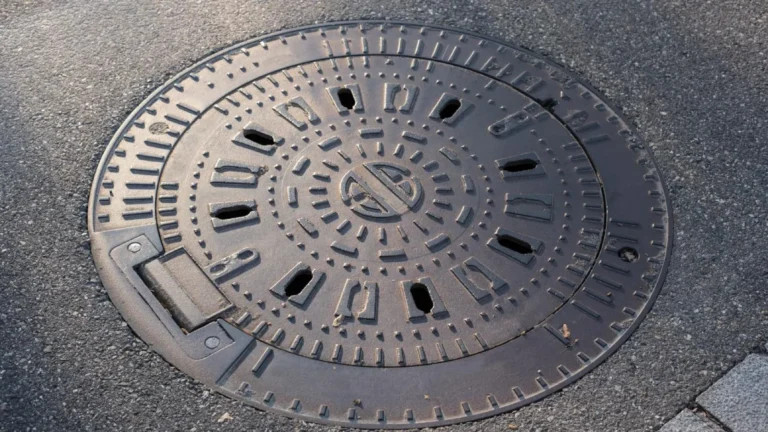
Have you ever seen rainwater collecting along a roadside even when a drainage system is already installed? Sometimes, the problem is not the underground drain but the grating that allows water to enter it. A poorly selected or blocked grating can slow down water collection and create problems during heavy rainfall. If you are sourcing products from a gully grating manufacturer in India, you need to look beyond the product's appearance. Size, material, load requirements and installation all matter.
At Shree Krishna Industries, we understand the importance of dependable drainage components. Our product catalogue includes gully and channel gratings, kerb gullies, manhole covers and other infrastructure castings for different project requirements.
How to Choose the Right Gully Grating Manufacturer in India?
Before placing an order, consider where the grating will be installed and how it will be used. A roadside drainage inlet has different requirements from one installed in a factory compound or parking area.
Here are some important things to check.
1. Choose the Right Material
A cast iron gully grating is commonly considered for drainage applications because of its solid construction and ability to handle demanding environments. However, you should also consider the expected traffic, material specifications and installation conditions before making your choice.
2. Check the Load Requirements
Will vehicles pass over the grating regularly? Or will it be installed along a pedestrian pathway?
The answer matters. A grating installed on a busy road needs different load-bearing specifications from one used in a garden or footpath. Always match the product's tested load capacity with the expected traffic.
3. Consider the Water Flow
This is something buyers often overlook. A grating should allow rainwater to enter the drainage chamber without unnecessary obstruction.
Check the opening arrangement, available drainage area and expected water flow. Leaves, plastic waste, sand and road debris can also block openings, so consider how easily the grating can be cleaned.
4. Check the Frame and Fitting
A grating that does not sit properly in its frame can create noise, movement and uneven road surfaces. Check the frame dimensions, seating arrangement, and finished road level before installation.
5. Think About Cleaning and Maintenance
Roadside drainage systems need regular attention, particularly during the rainy season. Ask whether the grating can be removed or opened easily for cleaning and inspection.
Which Type of Road Drainage Gratings Should You Choose?
The right choice depends on your drainage layout and installation location.
Application |
What to consider |
|
Municipal roads |
Traffic load and regular cleaning |
|
Highways |
Vehicle loading and secure seating |
|
Parking areas |
Wheel movement and surface alignment |
|
Industrial facilities |
Heavy traffic and drainage requirements |
|
Pedestrian pathways |
Safe surface and suitable openings |
For example, a grating near a roadside kerb needs to collect surface runoff effectively. A channel grating, on the other hand, is generally used along a longer drainage channel to collect water over an extended area.
You should also check whether gully grating covers need to be hinged or removable, depending on your maintenance requirements.
Why Do Heavy Duty Drainage Gratings Matter?
When vehicles regularly pass over drainage openings, the grating must be suitable for the expected load. Heavy Duty Drainage Gratings are selected according to traffic conditions, installation location and specified load requirements.
Don't select a product simply because it looks thick or heavy. Ask for its material specifications, applicable load classification and supporting test documents. This gives you a better basis for comparing products.
Why Choose Shree Krishna Industries?
At Shree Krishna Industries, our foundry has been active since 1968, and our manufacturing journey began in 2013. We work with cast iron, ductile iron, cast steel, stainless steel and other casting materials. Our facilities include a casting foundry, pattern shop, machine shop, laboratory and powder coating plant.
Our catalogue features gully and channel gratings alongside kerb gullies and other infrastructure products. As a Gully Grating Manufacturer in India, we understand the importance of matching product requirements with the intended application.
If you are searching for a reliable drainage grating manufacturer, share your drawings, required dimensions, quantities and project specifications with our team. We can discuss your requirements and the available manufacturing options.
Contact Shree Krishna Industries today to discuss your drainage grating requirements and get started with your project.
Frequently Asked Questions
1. What is a gully grating used for?
A gully grating covers a drainage inlet and allows rainwater from roads, footpaths and other paved surfaces to enter the underground drainage system.
2. What is the difference between a gully grating and a channel grating?
A gully grating generally covers an individual drainage inlet, while a channel grating covers a longer drainage channel that collects surface water along its length.
3. How do I prevent a gully grating from getting blocked?
Remove leaves, plastic waste, mud and other debris regularly. Inspect the openings and drainage chamber, particularly before and during the monsoon.
4. What information should I provide when ordering gratings?
Share the required dimensions, material, expected traffic load, installation location, quantity and any applicable project standards. This helps the Gully Grating Manufacturer in India understand your requirements.
