How Do You Choose a Gas Generator for Continuous and Standby Power?
Author : HitokaCece HitokaCece | Published On : 21 Oct 2026
A gas generator uses natural gas, liquefied petroleum gas, or biogas to drive an engine connected to an alternator. Gas generators are common where pipeline gas is available, where diesel fuel delivery is difficult, or where emissions regulations favor cleaner fuels. They are used for continuous power in industrial plants, standby power in commercial buildings, and combined heat and power in facilities that can use waste heat.
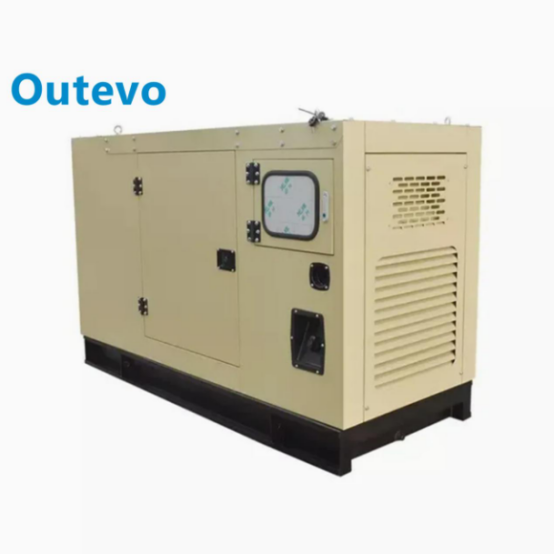
Gas Generator Fuel Type and Engine Selection
The first decision is fuel type. Natural gas is the most common fuel for continuous power because it is delivered by pipeline and does not require on site storage. LPG is used where pipeline gas is unavailable and storage is practical. Biogas is used in wastewater treatment plants and agricultural operations where methane is produced.
The engine must be matched to the fuel. Natural gas engines operate at lower compression ratios than diesel engines and produce less power per liter of displacement. They are designed for continuous duty and have different valve materials and ignition systems. Buyers should confirm that the engine is rated for the fuel type and the expected gas composition. Variations in heating value and impurities can affect performance and emissions.
Gas pressure and quality also matter. The gas supply must meet the engine manufacturer’s pressure and cleanliness requirements. Pressure regulators, filters, and knock out drums may be needed. Buyers should provide a gas analysis to the supplier and confirm that the fuel system is designed for the specific gas composition.
Natural Gas Generator Efficiency and Emissions
Efficiency determines fuel consumption and operating cost. Gas generators are available in different efficiency classes. Lean burn engines offer higher efficiency and lower emissions but require more complex controls. Rich burn engines with three way catalysts offer very low emissions but may have lower efficiency. Buyers should compare efficiency at the expected load points, not just at full load.
Emissions regulations vary by location. Some areas require low NOx emissions, which may require lean burn technology or aftertreatment. Others focus on CO2 and favor gas over diesel because gas produces less CO2 per unit of energy. Buyers should confirm the applicable emissions standards and select a generator that meets them. Emissions testing documentation should be provided.
Heat recovery is an option for continuous power applications. Combined heat and power systems capture waste heat from the engine jacket and exhaust and use it for hot water, steam, or space heating. This improves overall efficiency and reduces energy cost. Buyers should evaluate whether the site can use the recovered heat and whether the additional equipment is justified.
Continuous Power Generator Load Profile and Installation
The load profile determines the generator rating. Continuous power generators should operate between 50 and 80 percent of rated load for best efficiency and reliability. A generator that runs at very low load may have poor combustion and higher emissions. A generator that runs at full load continuously may have shorter service life. Buyers should calculate the base load and the peak load and choose a generator that fits the range.
Installation requirements are different from diesel generators. Gas generators need a reliable gas supply, a gas train with safety shutoff valves, ventilation, and explosion protection measures. The generator room should be designed according to local codes for gas fired equipment. Exhaust systems should be sized for the gas engine and should include silencers and emissions controls if required.
Maintenance should follow the manufacturer’s schedule. Spark plugs, ignition leads, filters, and oil should be replaced regularly. Gas quality should be monitored. Valves and sensors should be inspected. A gas generator that is well maintained can run for many thousands of hours. Buyers should confirm that spare parts and service support are available in their region.
Conclusion
Choosing a gas generator for continuous and standby power requires matching fuel type, engine, efficiency, emissions, load profile, and installation to the site. The right gas generator delivers reliable power at lower operating cost when gas is available. Buyers should evaluate the full system, not just the generator unit.
