How Do You Choose a Countertop That Won't Show Every Scratch and Stain? Common Selection Mistakes to
Author : UCI Kitchen & Bath | Published On : 08 Oct 2026
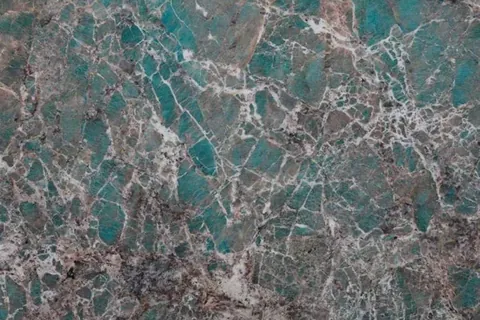
Countertop selection involves a specific trap that catches many homeowners: choosing a surface primarily for how it looks in the showroom without adequate consideration of how it will perform in the reality of daily kitchen use. The surface that photographs most impressively and looks most beautiful when new is not always the surface that remains looking good through years of cooking, cleaning, and the inevitable minor incidents that kitchen life involves. Before you buy countertops in Norcross, GA, understanding the performance characteristics of each material option helps you choose a surface whose beauty you will still be enjoying five, ten, and fifteen years from now.
Because the best countertop is not the one that looks best on the day it is installed but the one that continues to look right through years of real use.
Mistake 1: Choosing White or Very Light Surfaces Without Understanding the Maintenance Commitment
Light-coloured countertop surfaces, whether white marble, light quartz, or pale granite, have enduring visual appeal. They make kitchens feel brighter and larger, work with almost any cabinet colour, and photograph exceptionally well. They also show staining, marking, and everyday kitchen residue more visibly and more immediately than any other colour family.
Red wine, coffee, tomato, oil, and many other foods common in everyday cooking leave visible marks on very light surfaces significantly more readily than on mid-tone or darker alternatives. Households who cook regularly with these ingredients, who have young children using the kitchen, or who want a surface they can use without constant vigilance should factor this maintenance reality honestly into the material selection.
This is not an argument against light countertops. It is an argument for choosing them with clear eyes about what keeping them looking right will require, and for ensuring that the material's porosity and surface sealing characteristics suit the household's cooking patterns.
Mistake 2: Selecting Natural Marble for a High-Activity Kitchen
Marble is among the most visually stunning countertop materials available. The depth of colour, the flow of veining, and the luminous quality of polished marble create a kitchen aesthetic that is genuinely difficult to replicate with other materials. It is also one of the most demanding materials to maintain in an active cooking environment.
Marble is composed of calcium carbonate, which reacts chemically with acidic substances including lemon juice, vinegar, tomato, wine, and many cleaning products. This chemical reaction, known as etching, produces permanent dull marks in the polished surface that no amount of cleaning removes. Etching is not a stain that can be sealed against. It is a change to the surface of the stone itself.
For households whose kitchen use involves regular contact between acidic foods and the countertop surface, marble's etching sensitivity is a practical issue that will produce visible marks with ordinary everyday use. Honed marble finishes obscure etching better than polished finishes because the matte surface does not show the contrast between etched and un-etched areas as dramatically, but etching still occurs.
Mistake 3: Overlooking Heat Resistance Limitations in Engineered Quartz
Engineered quartz is one of the most popular countertop materials for good reasons. It is durable, non-porous, consistent in appearance, and available across a very wide range of colours and pattern styles. Its limitation that is most commonly overlooked is heat resistance.
Most engineered quartz products are not rated for sustained direct contact with hot cookware. Placing a hot pot or pan directly from the hob onto a quartz surface can cause thermal shock that cracks the material or creates discolouration that is permanent and not covered by warranty. Trivets or heat pads should be used consistently for hot items.
Homeowners who habitually place hot cookware directly on the countertop surface need to either establish a different habit or choose a more heat-tolerant material such as granite or quartzite.
Mistake 4: Choosing High-Gloss Finishes Without Considering Scratch Visibility
High-gloss countertop finishes, whether in natural stone or engineered quartz, reflect light in a way that makes scratches and surface abrasions more visible than the same damage on a honed or matt finish. In a kitchen where cutting, sliding items across the surface, and general daily activity occurs, some surface marking over time is unavoidable. On a high-gloss surface, this accumulation of micro-scratches is visible as a general loss of clarity and reflectivity that is particularly noticeable in raking light.
Honed and matte finishes in the same materials hide the accumulation of everyday surface contact significantly better and often maintain their original appearance more consistently through years of active kitchen use.
Conclusion
Avoiding these common countertop selection mistakes requires honest assessment of your household's cooking habits, cleaning preferences, and tolerance for maintenance relative to the performance characteristics of each material. Before you buy countertops in Norcross, GA, discussing these characteristics with a knowledgeable supplier who understands both the aesthetic and the practical dimensions of material selection helps you choose a surface that will genuinely satisfy through years of real use.
Because the countertop you will still be happy with in a decade is the one chosen for how your kitchen is actually used, not for how it looked in the showroom.
