How Do You Choose a Camera Bag for Professional and Casual Photography?
Author : HitokaCece HitokaCece | Published On : 21 Oct 2026
A camera bag is a protective case and a working tool at the same time. It carries lenses, bodies, batteries, memory cards, and sometimes a laptop. The bag must absorb shocks, keep equipment organized, and allow quick access when a moment appears. A bag that is too soft may not protect the gear. A bag that is too rigid may be uncomfortable to carry. A bag with poor organization may cause the photographer to miss a shot. For B2B buyers, the camera bag category includes backpacks, shoulder bags, sling bags, and hard cases, each suited to different users.
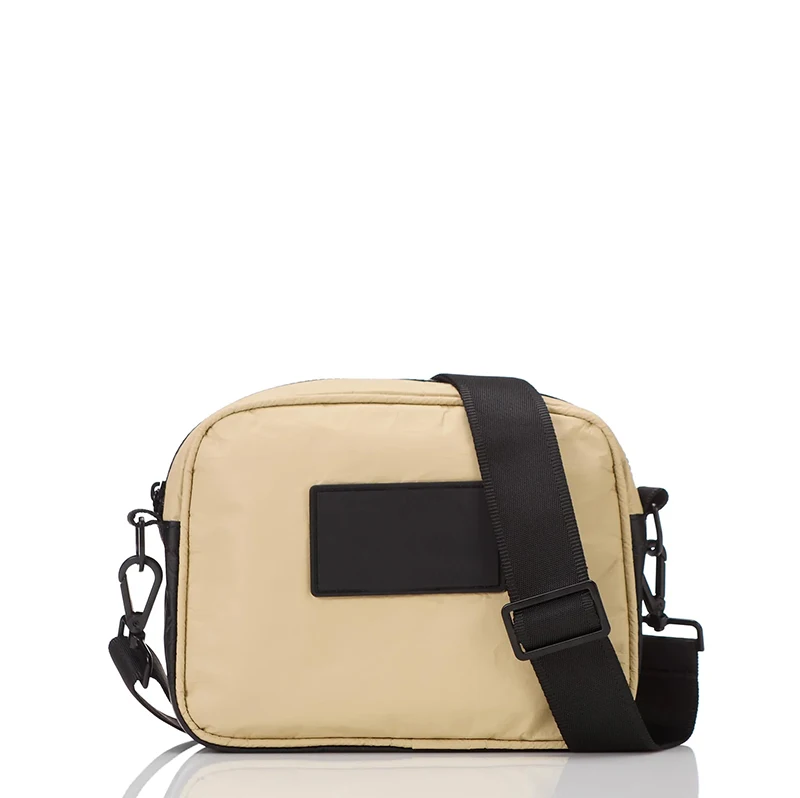
Camera Bag Padding and Equipment Protection
The first requirement is protection. The bag must have thick padding on the bottom, sides, and top. The padding should be dense enough to absorb impact from drops and bumps. A common thickness is fifteen to twenty millimeters for the main compartment. The bottom should have extra padding because it receives the most impact.
The interior should have adjustable dividers. Dividers allow the photographer to customize the layout for different lenses and bodies. The dividers should be padded and should attach securely to the bag walls. A divider that moves during transport may allow equipment to collide. Buyers should test the dividers with typical camera gear.
The bag should also have a soft lining that does not scratch the equipment. A rough lining can wear the camera body and lens coatings. A smooth, lint free lining is preferred. Buyers should inspect the lining quality and the stitching.
Photography Bag Compartment Layout and Access
The compartment layout determines how well the bag organizes accessories. A camera bag should have space for spare batteries, memory cards, filters, a lens cloth, and a small tripod. A dedicated battery pocket keeps batteries from shorting against metal items. A memory card wallet holds small cards. A front pocket holds a notebook and pens.
Access is equally important. A backpack may have a side access panel that allows the photographer to reach the camera without removing the bag. A shoulder bag may have a top opening for quick access. A sling bag rotates to the front for access. Buyers should match the access design to the shooting style. A wedding photographer may need fast access. A landscape photographer may need more carrying capacity.
The bag should also have a tripod attachment. A tripod can be strapped to the side or bottom of the bag. The straps should be strong and should not interfere with access to the main compartment. Buyers should test the attachment with a typical tripod.
Camera Backpack Straps and Weather Resistance
The straps affect comfort during long shoots. A camera backpack should have padded shoulder straps, a padded back panel, and a waist belt. The waist belt transfers weight to the hips and reduces shoulder strain. The back panel should allow airflow to reduce sweating. The straps should be adjustable and should fit different body sizes.
Weather resistance is important for outdoor photography. The bag should have a water resistant exterior and a rain cover. The zippers should be covered by flaps to prevent water from entering. The bottom should be reinforced and water resistant. Buyers should test the bag with water spray and check for leakage.
Security features are also useful. A lockable zipper prevents theft in crowded areas. A hidden pocket holds a passport or cash. A bag that can be locked to a fixed object is useful for travel. Buyers should consider the target market and the level of security required.
Conclusion
Choosing a camera bag for professional and casual photography requires matching padding, compartment layout, access design, strap comfort, weather resistance, and security to the photographer’s needs. The right bag protects the equipment and supports the shooting process. Buyers should test samples with real camera gear and choose a supplier with consistent quality.
