How Do Early Education Storytelling Machines Support Language Development in Young Children?
Author : HitokaCece HitokaCece | Published On : 15 Jul 2026
Introduction
Over the years in the educational toy manufacturing industry, I have watched early education storytelling machines transform from simple audio players into sophisticated interactive learning tools. The science behind their effectiveness is compelling. When children listen to stories, their brains light up in ways that help them learn language better. Studies using MRI machines have found that Broca's area, which helps us form words and understand grammar, becomes highly active, while Wernicke's area, which makes sense of what we hear, also activates. These two regions working together let children remember new words and connect them to sounds and meanings. Having worked with manufacturers, educators, and retailers across the industry, I have seen how the right storytelling machine can accelerate language development and prepare children for reading success. In this article, I want to share what I have learned about how early education storytelling machines support language development.
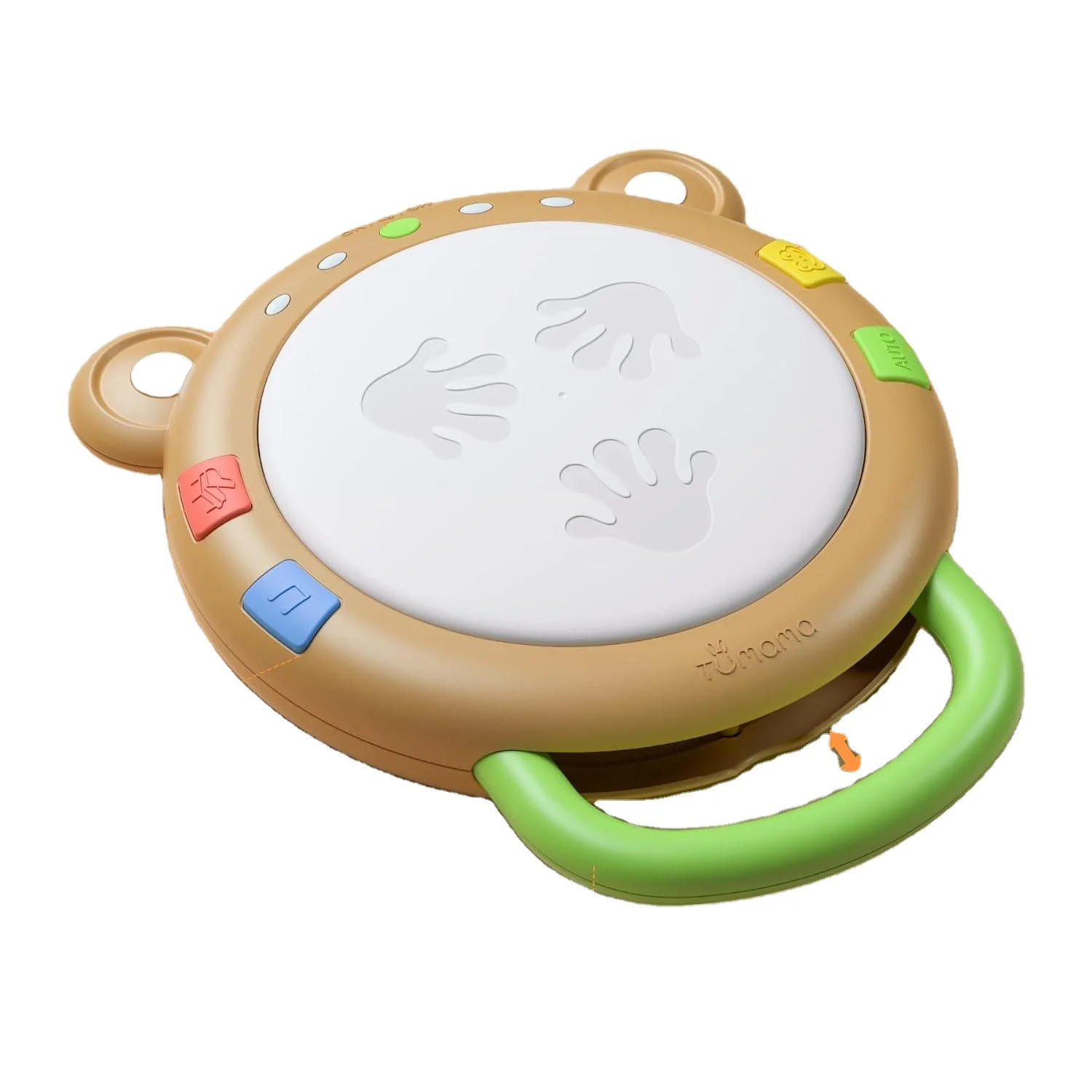
Early Education Storytelling Machine Neurocognitive Foundations
The effectiveness of storytelling machines begins with how the developing brain processes narrative. Educational toys designed for young learners boost learning by telling stories in stages that match how kids develop over time, presenting challenges just right for growing language abilities. Hearing the same stories again and again builds stronger pathways between brain regions, making language processing faster and easier during those important years from age three to five. Mirror neurons also play a role, allowing children to put themselves in characters' shoes and pick up on emotions and social signals while learning to speak. When it comes to building early reading skills, good stories bring together three important elements: joint attention, where kids and grownups pay attention to the same parts of a story; turn-taking, where they talk about what is happening; and prosody, the musical quality of speech. Shared attention helps babies connect words with their meanings, while back-and-forth conversation teaches little ones how conversations work. Modern storytelling devices mimic this interaction by pausing at just the right moments and waiting for responses, strengthening the brain pathways needed for understanding spoken language and eventually written text.
Early Education Storytelling Machine Adaptive Vocabulary Building
Storytelling machines used in early education work effectively because they repeat things adaptively and build vocabulary step by step. When teaching new words, these systems place them right into stories kids care about, then reinforce them through pictures, descriptions, and chances to try using the words themselves. The process follows how kids naturally learn to talk, matching what we know about language development. These systems space out the repeats just right for little brains to remember stuff longer term. According to recent studies, kids who use this approach tend to remember words about 68% better than when they learn through regular classroom methods. What makes these systems special is their ability to adjust on the fly, making sure basic vocabulary sticks before moving onto more complicated language structures. The machines also incorporate dynamic difficulty adjustment that mirrors what educators call the Zone of Proximal Development, keeping challenges at just the right level for each child. For educators and parents, this means that storytelling machines provide targeted, individualized language exposure that adapts to each child's developmental stage.
Early Education Storytelling Machine Comprehension and Engagement
Beyond vocabulary, storytelling machines significantly improve comprehension and engagement. Research from the 2024 Early Literacy Report found that children using responsive storytelling tools understood things better than those reading static content, with a 25% improvement in comprehension rates. What makes these different from regular audiobooks? They have built-in pauses where kids can answer questions, physical buttons they press to choose scenes, and even voice recognition so children can talk back during the story. Some models let little ones pick their own adventure paths, making learning feel more like playtime than work. A longitudinal study of 1,200 preschoolers found that consistent storytelling machine use correlated with 18% higher school readiness scores, particularly in narrative sequencing and verbal reasoning skills. These results validate the technology's role in bridging playful exploration with foundational academic competencies. For retailers and distributors, storytelling machines represent a growing market segment with strong educational credentials that appeal to parents seeking screen-free learning solutions for their children.
Conclusion
Early education storytelling machines support language development through a combination of neurocognitive engagement, adaptive vocabulary building, and enhanced comprehension. By activating the brain's language centers through narrative exposure, these devices accelerate vocabulary acquisition and strengthen the neural pathways essential for reading. By adapting to each child's developmental level, they provide targeted language input that maximizes learning outcomes. And by incorporating interactive features that maintain engagement, they make learning feel like play. In a world where parents increasingly seek effective, screen-free educational tools, early education storytelling machines are not just toys—they are investments in children's cognitive and linguistic development.
