How Dethatching Services Help Improve Grass Growth and Soil Health
Author : Joseph Dsouza | Published On : 13 May 2026
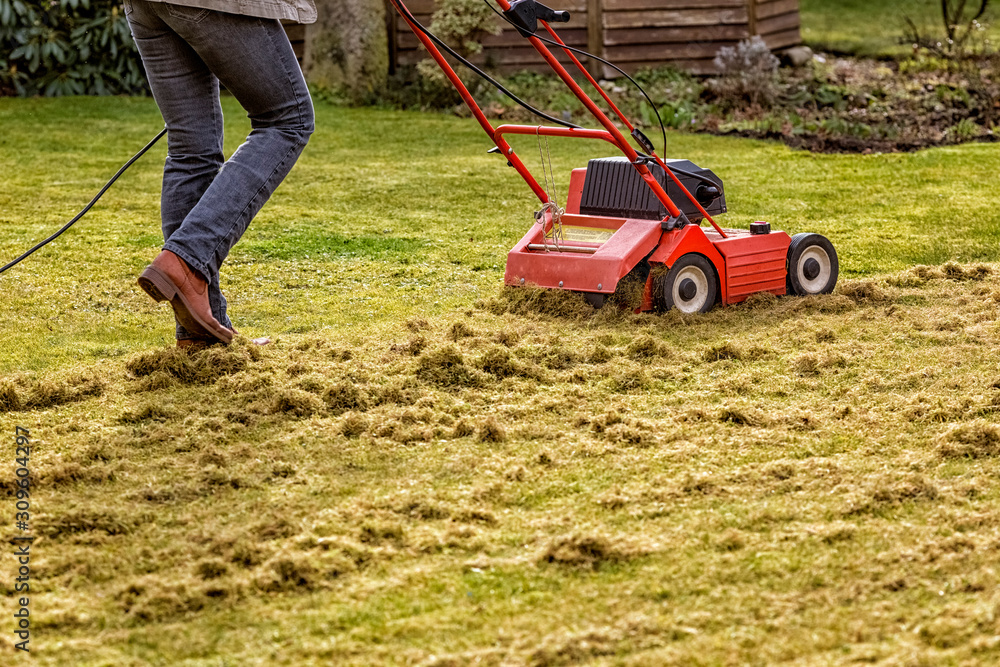
A healthy lawn depends on more than regular mowing and watering. Over time, layers of dead grass, roots, and organic debris collect between the soil and living grass blades. This thick layer, known as thatch, can slowly weaken your lawn and prevent it from receiving the nutrients it needs. Many homeowners turn to a professional dethatching service Lethbridge to restore lawn health, improve soil conditions, and encourage stronger grass growth throughout the season.
Understanding Thatch and Why It Forms
Thatch is a layer of partially decomposed organic material that develops on the surface of the soil. A thin layer of thatch can actually help protect the lawn, but when it becomes too thick, it causes several problems.
Thatch usually forms because of:
- Overwatering
- Excess fertilizer use
- Poor soil drainage
- Compacted soil
- Grass varieties that spread aggressively
- Lack of proper lawn maintenance
When the layer grows beyond half an inch, it begins blocking water, oxygen, and nutrients from reaching the roots. Grass struggles to grow properly, leading to thinning patches and unhealthy color.
Signs Your Lawn Needs Dethatching
Many homeowners do not realize their lawn is suffering from excess thatch until visible damage appears. Recognizing the warning signs early can help prevent long-term issues.
Spongy Lawn Surface
If your lawn feels soft or bouncy when walked on, thick thatch may be creating a cushion-like layer above the soil.
Water Runoff
Water may pool or run off the lawn instead of soaking into the ground. This occurs because thatch creates a barrier that prevents proper absorption.
Thin or Weak Grass
Grass may appear uneven, weak, or patchy even after watering and fertilizing.
Increased Pest Problems
Thatch creates an ideal environment for insects and fungal diseases because it traps moisture and reduces airflow.
Difficulty Mowing
Lawns with excessive thatch often become harder to mow evenly, resulting in scalping or uneven cutting patterns.
What Happens During a Dethatching Service?
Professional dethatching involves removing the dense layer of debris using specialized equipment. Depending on the lawn’s condition, professionals may use power rakes, vertical mowers, or dethatching machines to lift and clear the buildup.
The process typically includes:
- Lawn inspection
- Measuring thatch thickness
- Mechanical removal of debris
- Cleanup of loosened material
- Optional overseeding or fertilization
The goal is to expose the soil surface and create better access for nutrients, moisture, and air.
How Dethatching Supports Grass Growth
One of the biggest advantages of dethatching is improved grass development. Thick thatch restricts healthy root activity and weakens the lawn over time.
Better Nutrient Absorption
Once the excess layer is removed, fertilizer and natural nutrients can reach the soil more effectively. Grass roots receive direct nourishment instead of being blocked by compacted debris.
Improved Water Penetration
Dethatching allows water to move deeper into the soil instead of sitting on the surface. Deep watering encourages stronger root systems and healthier turf.
Stronger Root Development
Grass roots require oxygen to grow properly. Removing thatch improves airflow and creates better soil conditions for root expansion.
Encourages New Grass Growth
Dethatching opens space for fresh shoots and new grass blades to emerge. Many homeowners notice thicker and greener lawns within weeks after service.
The Connection Between Soil Health and Lawn Quality
Healthy soil plays a major role in maintaining vibrant grass. Poor soil conditions often lead to weak lawns that struggle to recover from heat, drought, or heavy use.
Excess thatch interferes with natural soil activity by limiting the movement of air and moisture. It also reduces the effectiveness of beneficial microorganisms that break down organic matter naturally.
When dethatching improves soil access, it supports:
- Better microbial activity
- Stronger nutrient cycling
- Reduced soil compaction
- Improved moisture retention
- Enhanced root oxygen levels
A lawn with healthy soil can recover faster from stress and maintain better overall appearance throughout the growing season.
Best Time to Schedule Dethatching
Timing is important because dethatching temporarily stresses the lawn. The best season depends on the type of grass growing in your yard.
Cool-Season Grasses
Lawns with cool-season grass benefit most from dethatching during early spring or early fall when growth is active.
Warm-Season Grasses
Warm-season grasses respond best during late spring or early summer when they are growing rapidly.
Avoid dethatching during extreme heat or drought conditions because the lawn may struggle to recover.
Why Professional Dethatching Is Worth Considering
Some homeowners attempt dethatching themselves using manual rakes or rented equipment. While this can work for small areas, professional service often provides more effective results.
Proper Equipment
Professionals use commercial-grade machines designed to remove thatch evenly without damaging healthy grass.
Lawn Assessment
Experts can determine whether dethatching is actually necessary. In some cases, lawns may only require aeration or soil improvement instead.
Reduced Risk of Damage
Incorrect dethatching techniques can tear healthy roots or scalp the lawn. Professionals know how to adjust equipment depth based on grass type and lawn condition.
Time Savings
Dethatching large lawns requires significant physical effort and cleanup. Hiring professionals allows homeowners to avoid the demanding labor involved.
Additional Lawn Care After Dethatching
Dethatching works best when combined with proper follow-up care. After the service, the lawn becomes more receptive to treatments that improve long-term health.
Overseeding
Adding new grass seed after dethatching helps fill thin areas and improve lawn density.
Fertilization
Freshly dethatched lawns absorb nutrients efficiently, making fertilization highly effective during this stage.
Watering
Consistent watering supports recovery and encourages new root growth.
Aeration
Some lawns benefit from aeration alongside dethatching, especially if the soil is heavily compacted.
Common Mistakes Homeowners Should Avoid
Maintaining a healthy lawn requires balance. Some practices unintentionally contribute to excessive thatch buildup.
Overwatering
Too much water encourages shallow roots and weak grass growth.
Excessive Fertilizer Use
Heavy fertilizer application speeds up organic growth faster than it can decompose naturally.
Cutting Grass Too Short
Scalping the lawn weakens grass and increases stress.
Ignoring Soil Problems
Compacted or poorly drained soil can worsen thatch accumulation over time.
Avoiding these mistakes helps maintain the benefits achieved through dethatching.
Environmental Benefits of Healthy Lawns
A properly maintained lawn contributes more than visual appeal. Healthy grass can support environmental balance in residential areas.
Benefits include:
- Reduced soil erosion
- Improved rainwater absorption
- Lower surface temperatures
- Better air quality
- Reduced dust and debris
Dethatching helps lawns perform these functions more effectively by improving the connection between grass roots and soil.
Long-Term Results of Regular Dethatching
Lawns that receive periodic dethatching often remain healthier and more resilient over time. Instead of struggling with recurring patches and drainage issues, homeowners can enjoy thicker turf and stronger growth patterns.
Routine lawn care combined with dethatching can lead to:
- Greener grass
- Fewer weeds
- Better drought tolerance
- Stronger resistance to pests
- More even lawn coverage
Regular maintenance also reduces the need for expensive lawn repairs later.
Frequently Asked Questions
How often should a lawn be dethatched?
Most lawns benefit from dethatching every two to three years, depending on grass type and maintenance habits.
Will dethatching damage my lawn?
Temporary stress is normal, but healthy lawns usually recover quickly when dethatching is done properly during the right season.
Is dethatching better than aeration?
They serve different purposes. Dethatching removes surface buildup, while aeration loosens compacted soil. Some lawns may need both services.
Can I dethatch my lawn myself?
Small lawns can sometimes be dethatched manually, but larger or heavily affected lawns often require professional equipment for effective results.
What should I do after dethatching?
Water the lawn consistently, avoid heavy foot traffic, and consider overseeding or fertilizing to support recovery.
Healthy grass starts with healthy soil. Removing thick layers of debris allows lawns to breathe, absorb nutrients, and grow more evenly throughout the season. Understanding what is dethatching a lawn can help homeowners make informed decisions about maintaining stronger turf and improving overall yard health.
