How D2C Brands Build a UGC Creator Network
Author : radhiya arora | Published On : 23 Mar 2026
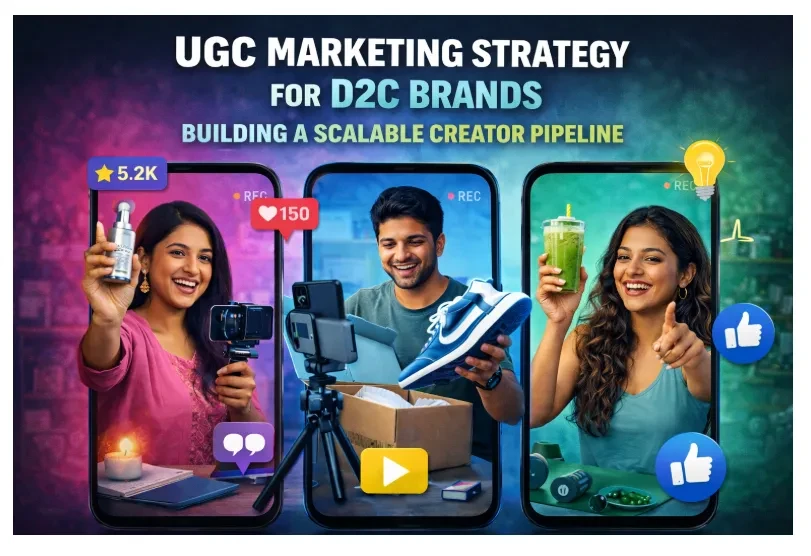
The UGC Factory: Building an Army of Micro-Creators
User Generated Content has quietly become the backbone of performance marketing. Scroll through Instagram today and the ads that actually stop people are rarely studio-produced commercials. Instead, they look like simple phone-shot videos where someone explains how a product solved a problem.
This shift is exactly why brands are rethinking how they produce content.
Instead of depending on expensive shoots or random customer reviews, smart brands are building what can only be described as a UGC factory — a system that consistently produces authentic creator-led content for advertising.
For ecommerce companies, building this system is no longer optional. It has become a key part of a strong UGC marketing strategy for D2C brands.
A practical UGC content strategy for ecommerce brands usually focuses on three simple things:
-
Building a network of creators who can produce content regularly
-
Giving them clear creative direction
-
Continuously testing fresh content in ads
At Eventum Marketing, we see brands grow faster when UGC is treated as a consistent content pipeline rather than an occasional marketing tactic.
UGC Marketing Strategy for D2C Brands
Traditional advertising was designed for television. It focused on high production quality, scripted messaging, and perfect visuals.
But social media audiences behave differently. People scroll quickly and skip anything that immediately looks like a commercial.
UGC works because it blends naturally into the platform environment. It feels like someone sharing an experience rather than a brand trying to sell something.
Some reasons why UGC performs well include:
-
It feels relatable – viewers connect more with real people.
-
It blends naturally into feeds – organic content stops scrolling.
-
It shows real product usage – making benefits easier to understand.
-
It builds trust quickly – genuine experiences feel believable.
Because of this, many brands now focus heavily on developing a UGC video ads strategy for D2C brands.
Why Most Brands Fail to Get Quality UGC
Even though brands understand the value of UGC, many struggle to produce it consistently.
One common mistake is relying on customers to record video reviews after purchase. In reality, very few customers actually do this.
And when they do, the videos often have problems such as:
-
Poor lighting or unclear audio
-
Unstructured storytelling
-
Very short or unusable clips
-
Content that cannot run as ads
Customers are not trained creators. They are not thinking about hooks, storytelling, or ad performance.
That is why brands need a more structured approach to UGC marketing strategy for D2C brands.
How to Build a UGC Creator Network
A major step in building a UGC factory is understanding how to build a UGC creator network.
Instead of waiting for random content, brands should actively collaborate with creators who enjoy producing short-form videos.
To start how to build a UGC creator network, brands can:
-
Identify creators comfortable speaking on camera
-
Build a database of creators across niches
-
Provide simple but clear creative briefs
-
Continue working with creators who perform well
Many brands also explore how to find UGC creators for your brand through creator communities and social media searches.
Micro Creators vs Influencers Marketing
When planning UGC campaigns, brands often compare micro creators vs influencers marketing.
Both play different roles.
Micro creators mainly focus on producing content that brands can use in advertising.
Their strengths include:
-
Authentic storytelling
-
Lower production cost
-
Flexible usage for ads
Influencers, on the other hand, focus more on reach and audience exposure.
Their strengths include:
-
Larger audiences
-
Brand awareness campaigns
-
Engagement with followers
For performance marketing, creators often work better because their content feels more natural.
UGC Content Strategy for Ads
A strong UGC content strategy for ecommerce brands focuses on storytelling rather than polished production.
Most successful UGC ads follow a simple structure.
A typical UGC video ads strategy for D2C brands includes:
-
A strong hook in the first few seconds
-
A relatable problem
-
Natural product introduction
-
Demonstration of product usage
-
Clear call-to-action
This balance of authenticity and structure makes the content effective for advertising.
Scaling UGC: Creating a Continuous Content Pipeline
Once brands start seeing results, the next challenge is how to scale UGC content for ads.
The key is to treat content production as an ongoing system.
Brands can scale UGC by:
-
Working with multiple creators at the same time
-
Producing several variations of the same concept
-
Testing different storytelling styles
-
Refreshing creatives regularly
Another important question is how to get user generated content for ads consistently.
Brands that succeed usually build long-term creator partnerships so that fresh content keeps flowing into their campaigns.
For modern ecommerce brands, building a structured UGC marketing strategy for D2C brands is becoming one of the most reliable ways to scale advertising and maintain creative momentum.