How Coolant Recycling Systems Improve CNC Machining Productivity
Author : tomasfryklof tomasfryklof | Published On : 07 Aug 2026
Running a CNC shop without a solid coolant recycling system feels like pouring money down the drain some days. Dirty fluid builds up, tools wear out faster, and machines sit idle while someone dumps and refills the sump. I’ve watched it slow entire shifts. A proper coolant recycling system changes that. It keeps the fluid cleaner longer, cuts the constant interruptions, and lets the machines actually make parts instead of waiting on fluid problems. Pair it with something like a teflon cartridge filter and the gains show up pretty quick.
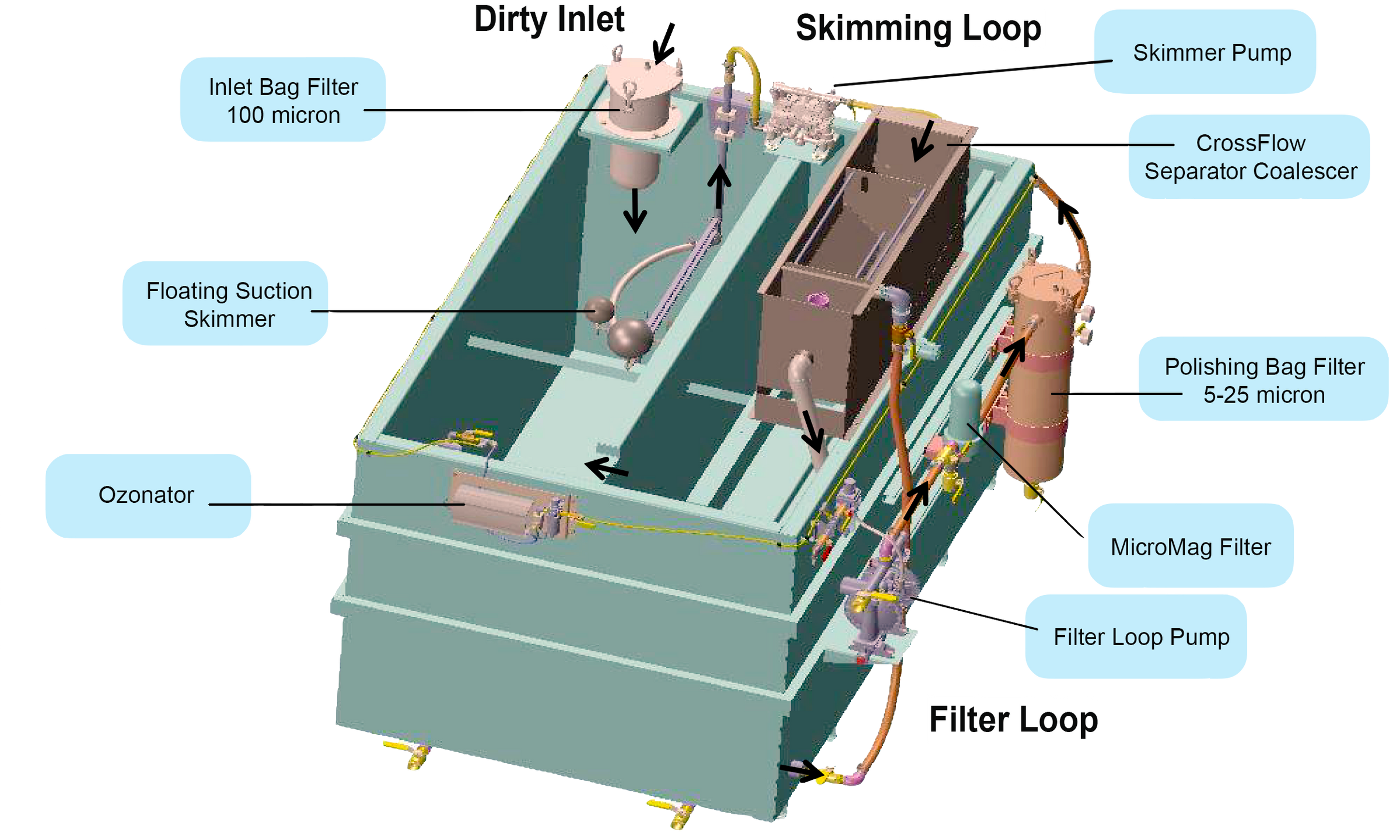
Cleaner Coolant Means Longer Tool Life
Tools last longer when the coolant stays clean. That’s the first big productivity jump most shops notice. Metal fines and tramp oil in the fluid act like sandpaper on inserts and end mills. A coolant recycling system pulls those contaminants out continuously. Less wear means fewer tool changes mid-job. Operators stay on the machine instead of hunting for new cutters. In high-volume CNC work those extra minutes add up fast across a whole shift.
Fewer Fluid Changeovers and Less Downtime
Changing out dirty coolant takes time. Machines stop, the sump gets pumped, cleaned, and refilled. A good coolant recycling system stretches the life of the fluid so you do this less often. Some shops go from weekly dumps to monthly. That free time goes straight back into cutting metal. I’ve seen cells jump their spindle hours simply because the fluid stays usable longer. No drama, just fewer interruptions.
More Consistent Part Quality
Dirty coolant causes dimensional drift and surface finish problems. Operators end up tweaking offsets or scrap parts. With a coolant recycling system the fluid properties stay steadier. Temperature, concentration, and cleanliness hold better. Parts come off more predictable. Less rework, less inspection time, and higher throughput. Shops that track scrap rates usually see the numbers drop once the recycler is running right.
Better Performance from Filtration Components
A teflon cartridge filter works harder and lasts longer inside a well-designed coolant recycling system. The PTFE media handles fine particles and resists clogging from oily coolants better than some other options. When the recycling loop keeps the bulk dirt out first, the cartridge filter doesn’t get overloaded as fast. You change filters less often and keep flow rates up. That steady flow helps the machines run cooler and more consistently.
Reduced Bacteria and Odor Issues
Old coolant turns rancid. Bacteria grow, the smell hits, and operators start complaining or calling out. Cleaning that mess slows everything. A coolant recycling system with proper filtration and aeration cuts the bacterial load. Fluid stays fresher. People work better when the shop doesn’t smell like a swamp. Sounds small, but morale and attendance affect output more than most managers admit.
Lower Disposal and Makeup Costs Free Up Cash
Hauling away dirty coolant costs money and time. Buying fresh fluid does too. A coolant recycling system recovers a big percentage of the fluid so you buy less and dispose less. The savings often go back into better tooling or extra shifts. Productivity isn’t only about machine speed. It’s about having the resources to keep running without constant budget fights over fluid expenses.
Improved Chip Handling and Conveyor Efficiency
Cleaner fluid helps chips settle and convey better. Sticky, oily coolant makes swarf cling to everything. Conveyors jam, pans overflow, and someone has to stop the machine to dig it out. With a coolant recycling system removing tramp oil and fines, the chips move easier. Less manual intervention means more continuous cutting time. Shops with automatic chip systems notice this pretty fast.
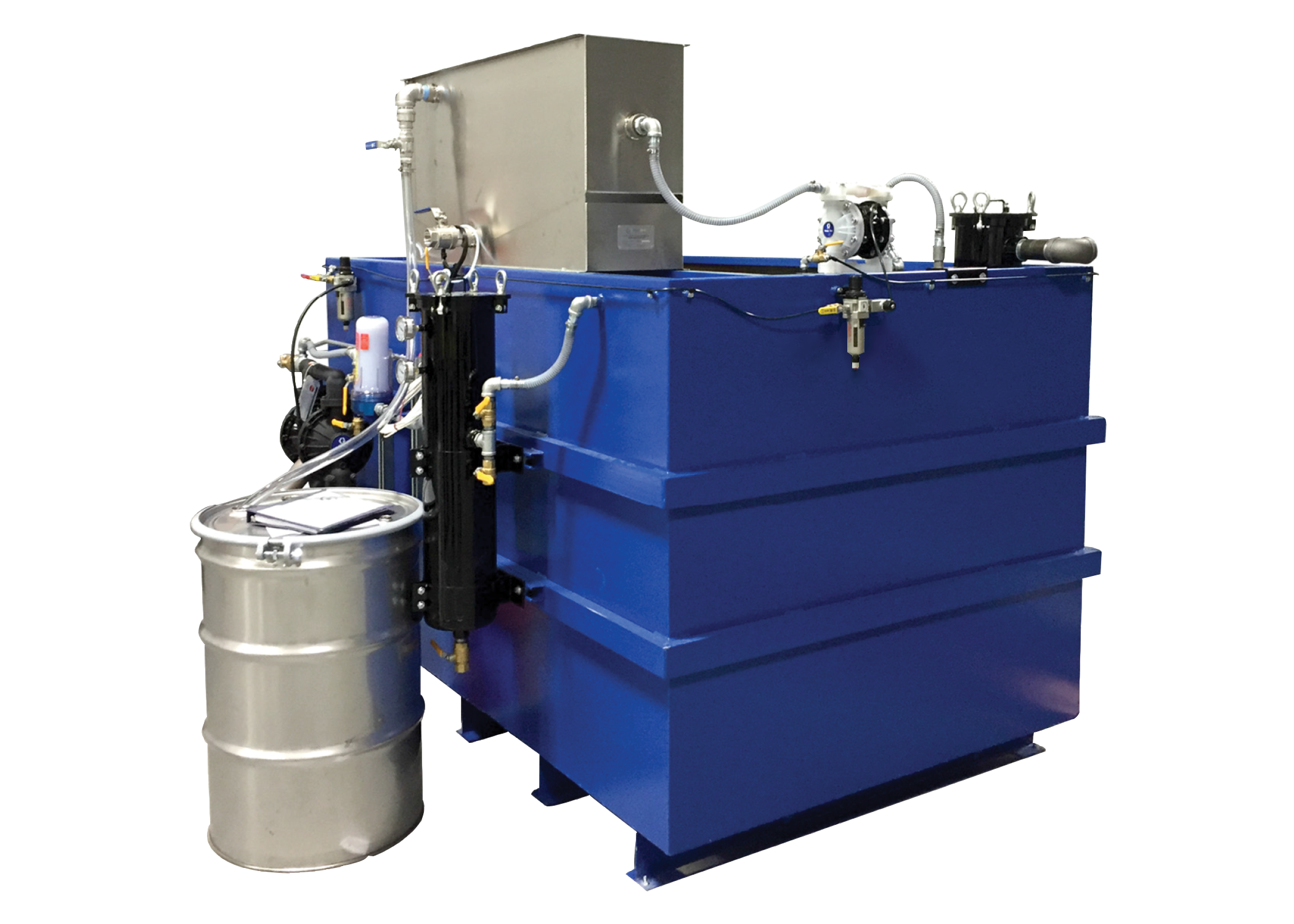
Stable Coolant Concentration and Temperature
Evaporation and contamination throw concentration all over the place. Operators keep adding water or concentrate by feel. A coolant recycling system paired with good monitoring keeps the mix closer to target. Temperature stays more even too because the fluid circulates and filters steadily. Stable conditions mean the CNC can hold tighter tolerances without constant babysitting. Productivity climbs when the process stops fighting itself.
Faster Setup and Changeover Times
When fluid quality is predictable, setup becomes smoother. No surprises with tool life or finish on the first parts. Operators trust the process more and move quicker between jobs. A teflon cartridge filter in the loop helps maintain that consistency by catching the fine stuff that causes random issues. Shops that measure changeover times often see a quiet improvement once the recycling system is dialed in.
Support for Higher Spindle Speeds and Feeds
Clean coolant lets you push parameters harder. Dirty fluid forces you to back off to protect tools and finish. Once the coolant recycling system is keeping things clean, many programmers raise speeds and feeds safely. Cycle times drop. That extra capacity shows up on the schedule as more parts per day without buying another machine. It’s one of the quieter ways productivity climbs.
Real-World Payback Through Higher Output
The real test is output. Shops that install a coolant recycling system usually track more spindle hours, lower tool spend, and fewer unplanned stops within a few months. The teflon cartridge filter keeps the fine filtration side efficient so the whole loop works together. It’s not magic. It’s just removing the constant friction that dirty fluid creates. Machines cut more, people fight less, and the numbers improve.
Conclusion
A coolant recycling system does more than save fluid. It removes a steady source of friction from CNC machining. Tools last longer, downtime drops, quality stabilizes, and the whole cell runs closer to its potential. Adding a solid teflon cartridge filter into the mix keeps the fine contaminants under control so the gains stick. The shops that treat coolant like a critical process variable instead of an afterthought usually pull ahead on productivity without dramatic changes to the machines themselves. Clean fluid simply lets the existing equipment do its job better day after day.
FAQ
How does a coolant recycling system actually increase CNC productivity? It keeps the fluid cleaner so tools last longer, fluid changes happen less often, and part quality stays more consistent. Less downtime and less rework mean more actual cutting time.
Why pair a teflon cartridge filter with a coolant recycling system? Teflon (PTFE) cartridge filters handle fine particles and resist oil saturation well. They protect the final fluid quality without clogging as fast, which keeps flow and cleanliness steady.
How long before a shop sees productivity gains? Many notice fewer tool changes and less fluid dumping within the first month or two. Bigger output numbers usually show up once the system is tuned and operators trust the fluid again.
Does a coolant recycling system work with both water-soluble and straight oil coolants? Most systems handle water-soluble coolants very well. Straight oils need specific designs for tramp oil and fine filtration. Check the equipment specs against your fluid type before buying.
