How Commercial Hydronic Snow Melt Systems Improve Winter Safety
Author : All Island Radiant | Published On : 16 Nov 2026
Snow and ice accumulation can create significant challenges for commercial properties during the winter months. Parking lots, driveways, sidewalks, building entrances, and loading areas can quickly become hazardous when temperatures drop and snowfall increases. Maintaining these spaces often requires repeated plowing, shoveling, and ice treatment. Installing commercial hydronic snow melt systems offers businesses a practical way to manage winter conditions through radiant heating technology. These systems circulate heated water through pipes beneath outdoor surfaces, helping melt snow and prevent ice buildup while improving accessibility and reducing routine snow removal demands.
What Are Commercial Hydronic Snow Melt Systems?
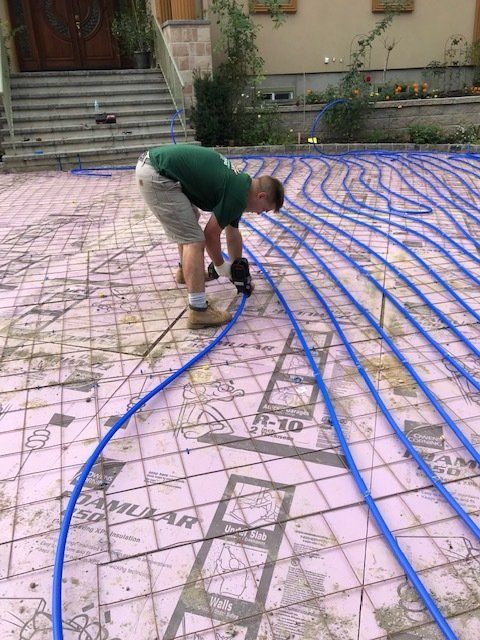
Commercial hydronic snow melting systems use a network of durable pipes installed beneath concrete, asphalt, or other suitable outdoor surfaces. Heated water circulates through these pipes, transferring warmth to the surface above and melting accumulated snow and ice.
The system typically includes a heat source, circulation pumps, piping, and control equipment. Depending on the property's requirements, the installation can cover selected areas or larger outdoor spaces that need consistent winter protection.
Hydronic radiant heating works from beneath the surface, allowing snow and ice to melt without relying entirely on manual removal or chemical treatments. It is particularly useful for commercial properties where safe access and dependable operation are important throughout winter.
Why Commercial Properties Need Hydronic Snow Melting
Winter maintenance can become expensive and time-consuming for businesses with large outdoor areas. Snow accumulation can restrict access, interrupt deliveries, and create slippery walking and driving surfaces.
A properly designed hydronic snow melt system helps address these concerns while supporting more efficient property management.
Improve Safety Around Commercial Buildings
Snow-covered sidewalks, entrances, and ramps can increase the risk of slips and falls. These conditions can affect employees, customers, visitors, and delivery personnel.
Hydronic snow melting helps maintain treated surfaces by warming them from below. Reducing snow and ice accumulation can create safer walking conditions and make important access points easier to use during winter weather.
Maintain Reliable Property Access
Commercial facilities depend on accessible entrances, driveways, parking areas, and service routes. Heavy snowfall can make these spaces difficult to navigate and may interrupt normal business activities.
A hydronic snow melt installation helps keep designated areas clearer, supporting more consistent access for vehicles and pedestrians. This is especially valuable for businesses that operate throughout the winter and cannot easily suspend daily activities because of snow.
Reduce Manual Snow Removal
Traditional snow management often requires shoveling, plowing, and repeated applications of ice-melting products. These tasks require labor, equipment, and regular attention during storms.
Automated radiant snow melting can reduce the need for repeated manual clearing in heated areas. This allows property managers to spend less time coordinating snow removal and more time focusing on other facility responsibilities.
Common Applications of Commercial Hydronic Snow Melt Systems
Every commercial property has different outdoor heating requirements. Hydronic systems can be designed for specific areas based on their size, construction, and level of use.
Commercial Driveways and Parking Areas
Driveways and parking lots experience regular vehicle and pedestrian traffic. Snow and ice can make these areas difficult to navigate and increase the risk of accidents.
Installing hydronic heating beneath selected sections can help maintain clearer driving and parking surfaces. Heated entrances and access lanes can also support smoother movement during winter conditions.
Sidewalks and Building Entrances
Walkways and building entrances are among the most frequently used areas of a commercial property. Keeping these surfaces free from significant snow and ice buildup helps improve accessibility for employees and visitors.
Hydronic systems can be installed beneath suitable walkways, entry paths, and exterior steps to provide consistent radiant warmth.
Loading Zones and Service Areas
Warehouses, industrial facilities, and commercial buildings often depend on loading areas for deliveries and daily operations. Ice accumulation in these locations can create difficulties for workers, vehicles, and equipment.
A properly planned snow melting system can help maintain access to these important operational spaces.
Ramps and Sloped Surfaces
Ramps and sloped driveways can become particularly hazardous when covered in ice. Hydronic snow melting helps manage accumulation in designated areas, supporting safer movement for vehicles and pedestrians.
Important Components of a Hydronic Snow Melt System
A commercial hydronic installation includes several components that work together to distribute heat effectively.
-
Heating source: Supplies the hot water needed to warm the outdoor surface.
-
Underground piping: Carries heated water through the areas selected for snow melting.
-
Circulation pumps: Move water through the piping network.
-
Control systems: Manage system operation based on the installation's design and operating requirements.
-
Sensors: When included, detect temperature or moisture conditions to help determine when the system should operate.
Proper coordination between these components is important for reliable heating performance. System design should account for the outdoor surface, heating requirements, and expected winter conditions.
Installation and Maintenance Considerations
Commercial hydronic snow melting requires careful planning before construction begins. The size of the heated area, surface material, piping layout, available heat source, and property usage all influence the installation.
Professional planning helps determine the appropriate system configuration and ensures that the heating network is positioned correctly beneath the surface. Proper installation supports effective heat distribution and long-term system performance.
Routine maintenance is also important. Inspections of pumps, piping connections, heating equipment, and controls can help identify potential issues before the winter season. Preparing the system in advance helps property owners feel more confident when freezing temperatures and snowfall arrive.
Choose Professional Commercial Snow Melting Solutions
Managing snow and ice is an important responsibility for commercial property owners across Long Island. Hydronic radiant heating provides an effective approach to maintaining designated outdoor surfaces, improving accessibility, and reducing the workload associated with traditional snow removal. With professional design, installation, and maintenance, businesses can prepare their properties for demanding winter conditions.
With more than 75 years of experience serving Nassau and Suffolk Counties, All Island Radiant provides commercial hydronic snow and ice melting solutions, along with radiant heating installation, repair, and maintenance services for residential and commercial properties.
📍 Business Address: 34 E. Main Street, Smithtown, NY 11787, USA.
📞 Phone: (631) 891-7000
