How Can Automation Platforms Integrate with AI/ML Tools for Advanced Analytics?
Author : Jack Williams | Published On : 20 Mar 2026
Modern organizations generate massive amounts of data across systems such as ERP, CRM, CMMS, IoT platforms, and operational tools. While automation platforms help synchronize and move this data, the real value comes from applying AI/ML (Artificial Intelligence and Machine Learning) to extract insights, predict outcomes, and optimize operations.
By combining enterprise automation with AI/ML, organizations can move beyond simple workflows to intelligent, data-driven decision-making.
Automation platforms—especially enterprise integration platforms—serve as the bridge between operational systems and AI/ML tools, enabling continuous data flow and real-time analytics.
Why Integrate Automation Platforms with AI/ML?
Automation platforms already handle:
-
multi-system data sync
-
API-based data exchange
-
workflow orchestration
-
event-driven automation
AI/ML tools add capabilities such as:
-
predictive analytics
-
anomaly detection
-
demand forecasting
-
optimization algorithms
When combined, they enable:
From Reactive → Predictive Operations
Instead of reacting to issues (e.g., equipment failure), systems can predict and prevent them.
From Data Movement → Insight Generation
Automation platforms move data; AI turns that data into actionable insights.
How Integration Between Automation Platforms and AI/ML Works

Integration typically follows a structured data pipeline architecture.
1. Data Collection from Enterprise Systems
Automation platforms collect data from multiple systems:
-
ERP (financial and operational data)
-
CMMS (maintenance and asset data)
-
CRM (customer and service data)
-
IoT systems (sensor and equipment data)
Example:
-
Work order data from CMMS
-
Asset cost data from ERP
-
Service history from CRM
This forms the foundation for multi-system data sync.
2. Data Transformation and Normalization
Before feeding data into AI models, it must be standardized.
Automation platforms handle:
-
data cleansing
-
format normalization
-
schema mapping
-
aggregation across systems
For example:
-
combining maintenance logs with financial cost data
-
aligning timestamps across systems
-
structuring datasets for machine learning models
3. Data Delivery to AI/ML Models
Automation platforms use API integration tools to send data to AI systems.
These AI/ML tools may include:
-
cloud ML platforms (AWS, Azure, Google Cloud)
-
custom ML models
-
analytics engines
-
data warehouses (Snowflake, BigQuery)
ConnectorHub or similar platforms act as the data pipeline orchestrator, ensuring AI models receive continuous, real-time data.
4. AI/ML Processing and Insight Generation
AI models analyze the data to generate insights such as:
-
predictive maintenance alerts
-
cost optimization recommendations
-
anomaly detection in workflows
-
demand forecasting
Example:
An AI model detects that a specific asset is likely to fail based on historical maintenance patterns.
5. Feedback Loop into Automation Workflows
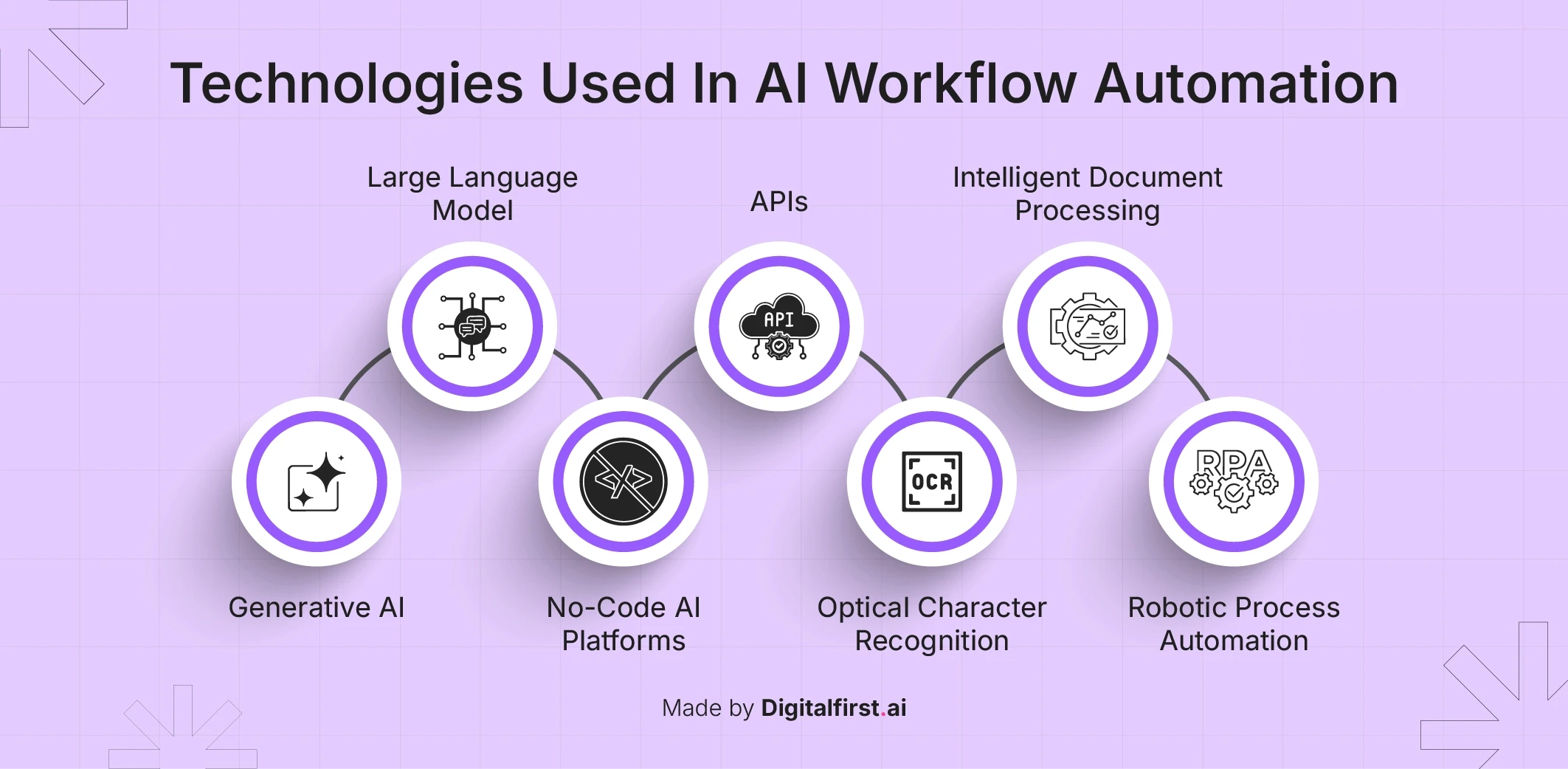
The most powerful capability is the closed-loop system, where AI insights trigger automated actions.
Examples:
-
AI predicts equipment failure → create work order in CMMS
-
AI detects billing anomaly → flag ERP transaction
-
AI forecasts demand → trigger procurement workflow
This creates intelligent automation, where workflows adapt based on insights.
Key Use Cases for AI + Automation Integration
1. Predictive Maintenance (ERP + CMMS)
Using ERP CMMS connectors, organizations can:
-
sync asset and maintenance data
-
feed it into ML models
-
predict equipment failures
Workflow:
-
Data synced between ERP and CMMS
-
AI model analyzes maintenance patterns
-
Predicted failure triggers maintenance work order
This improves uptime and reduces operational costs.
2. Work Order Optimization
AI can analyze:
-
technician performance
-
service times
-
asset conditions
Automation platforms can then:
-
assign optimal technicians
-
prioritize work orders
-
optimize scheduling
This enhances work order sync between ERP and CMMS.
3. Financial and Billing Analytics
AI models can analyze ERP data to detect:
-
billing anomalies
-
revenue leakage
-
cost inefficiencies
Automation platforms can:
-
flag anomalies
-
trigger audit workflows
-
update financial systems
4. Customer and Service Analytics
By combining CRM and operational data:
-
AI can predict customer churn
-
identify service bottlenecks
-
optimize service delivery
Automation platforms can trigger:
-
proactive service actions
-
customer notifications
-
account updates
5. IoT and Operational Intelligence
IoT systems generate real-time data.
AI can:
-
detect anomalies in equipment behavior
-
optimize energy usage
-
predict failures
Automation platforms can:
-
trigger alerts
-
initiate maintenance workflows
-
update operational dashboards
Benefits of Integrating Automation Platforms with AI/ML
Organizations implementing this integration gain several advantages.
Real-Time Decision Making
Continuous data flow enables real-time analytics and actions.
Reduced Operational Costs
Predictive insights reduce downtime and inefficiencies.
Improved Data Accuracy
Automated pipelines eliminate manual data handling errors.
Scalable Analytics Infrastructure
Automation platforms allow organizations to scale AI use cases across systems.
Intelligent Workflow Automation
Workflows become adaptive and data-driven rather than static.
Role of Enterprise Integration Platforms
Enterprise integration platforms (like ConnectorHub) are critical in enabling AI-driven automation.
They provide:
-
API orchestration across systems
-
real-time data pipelines
-
workflow automation engines
-
integration monitoring and governance
Without integration platforms, AI systems would lack access to consistent and reliable data.
Example End-to-End Workflow
A typical AI-driven automation workflow might look like this:
-
Data synced between ERP and CMMS systems
-
Automation platform sends data to ML model
-
AI predicts equipment failure
-
Integration platform triggers work order in CMMS
-
ERP updates cost and asset records
-
CRM notifies customer
This creates a fully automated, intelligent operational loop.
Conclusion
Automation platforms integrate with AI/ML tools by acting as the data orchestration and workflow execution layer between enterprise systems and analytics engines.
By combining API integration tools, enterprise automation, and AI-driven insights, organizations can transform traditional workflows into intelligent systems that:
-
predict outcomes
-
automate decisions
-
optimize operations
For use cases such as ERP CMMS integration, work order synchronization, and multi-system data sync, this combination enables a new level of operational efficiency and strategic insight.
