How Can an L Shape Torx Key Set Help Prevent Fastener Damage During Maintenance?
Author : jack leo | Published On : 20 Nov 2026
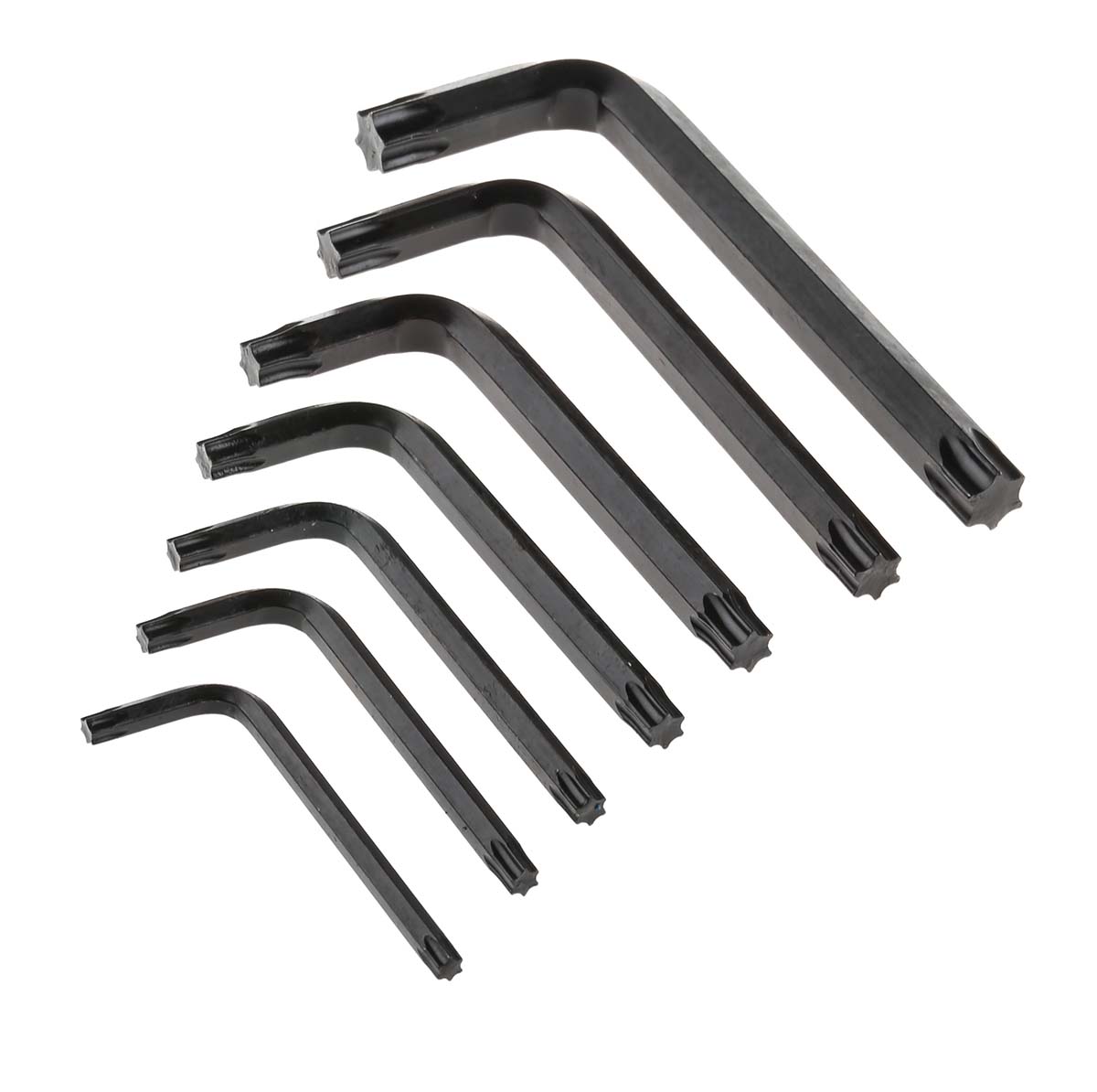
A service job can go wrong before a component has even been removed. A screw head becomes rounded, a thin housing cracks or a replacement part refuses to align. These problems are often blamed on poor-quality fasteners, yet tool handling and preparation can be equally important. A deliberate maintenance routine helps technicians protect assemblies, minimise rework and make the next service visit easier.
An L-Shape Torx Key Set provides a collection of hand-operated drivers for compatible star-recess fasteners. Its angled form can support controlled work in equipment with limited access, but successful maintenance depends on more than having several key sizes available. This guide focuses on inspecting fixings, managing tightening force and establishing repeatable workshop habits rather than reviewing one particular set.
Why Do Torx Fasteners Become Damaged During Servicing?
Repeated disassembly can expose a screw to corrosion, contamination and inconsistent tightening. When a driver is not seated completely, force concentrates on a smaller contact area and the recess may deteriorate. Incorrect alignment can also put sideways pressure on the tool, especially when the screw is positioned behind a panel.
The fastener may appear usable but no longer grip reliably.
What Should You Check Before Loosening a Screw?
Good maintenance begins with the joint, not the tool. Identify what the fastener holds, whether removing it will release a spring-loaded component and whether electrical or mechanical energy must first be isolated. Confirm the correct drive profile and clean accessible debris from the recess.
Which Preparation Steps Make the Biggest Difference?
- Inspect the head: Look for corrosion, deformation and evidence of previous slipping.
- Support the assembly: Prevent panels or brackets from dropping when fixings are released.
- Confirm access: Choose a working position that allows the driver to remain aligned.
- Organise removed parts: Keep screws associated with their original locations.
- Check instructions: Follow equipment-specific removal and tightening requirements.
These steps support controlled repairs.
How Should You Approach a Resistant Torx Fastener?
First, determine whether the fastener is obstructed, corroded or secured using a locking compound. Avoid immediately applying the greatest available leverage. Excess force can fracture a small screw or damage the surrounding threads.
A clean, fully engaged driver and steady hand pressure are sensible starting points. If resistance remains unusual, stop and consult the approved service method. Some assemblies require a different service method.
Why Is Torque Control More Important Than Maximum Leverage?
The L-shaped tool can make a screw easy to turn, but ease of turning does not establish that it has reached the correct preload. An over-tightened screw may crush a gasket or strip threads in plastic; an under-tightened one may loosen during vibration.
For joints with a specified tightening value, appropriate Torque Screwdrivers help technicians apply a controlled setting using a compatible Torx drive. A conventional L-key is useful for positioning and general manual work, but it should not be treated as a calibrated measuring instrument.
Why Does the Material Around a Screw Matter?
A threaded hole in aluminium, a steel nut and a moulded plastic boss respond differently to tightening. Softer materials can be damaged long before the driver feels difficult to turn. Repeated removal may also weaken previously stressed threads.
Inspect the mounting surface and use the manufacturer's stated fastening sequence where one is provided. Where screws pass through covers or seals, check that the correct washers, spacers and gaskets are returned to their intended positions.
How Can You Protect Delicate Electronic Assemblies?
Service work near circuit boards or connectors needs additional care. Isolate power sources, account for stored energy and use appropriate electrostatic-discharge precautions where required. Keep tools clear of exposed contacts and avoid using a screw head as a lever point.
A shallow screw recess is particularly easy to damage if the key is held at an angle. Move cables or access covers only through approved procedures rather than forcing a tool into an unsuitable opening.
When Is a Different Driver Format More Practical?
An L-key is useful for compact access, but it is not ideal for every repeated task. A handled screwdriver may offer better grip and fine control during delicate assembly, while a suitable powered driver may improve speed on high-volume production work. Each needs the correct drive profile.
Reviewing Screwdriver Sets can help workshops select complementary tools for tasks that demand comfort, reach or repeated use. The goal is not to replace the L-key, but to avoid asking one tool to handle every situation.
What Does Tool Wear Tell You About Your Workflow?
Rounded tips, twisting or damaged finishes may signal repeated misuse or poorly matched fasteners. Examine tools during routine checks and remove damaged keys from service. Never grind a worn profile into an approximate new shape; the altered geometry may worsen recess damage.
Consistent wear on one key size can also reveal a training or equipment problem. Investigate whether technicians are using the correct size and whether the same fasteners repeatedly arrive damaged.
How Can You Make Maintenance More Repeatable?
Record the equipment model, fastener location, approved tightening information and any recurring issues. Keep removed screws organised and replace damaged fixings with approved equivalents instead of reusing them automatically.
Before returning equipment to service, check that covers seat correctly, no parts remain loose, and any required functional tests are complete. These records make future servicing easier to plan and reduce unnecessary dismantling.
What Is the Best Way to Protect Your Torx Tools Between Jobs?
A clean, organised kit makes correct tool selection easier and reduces damage during transport. Use separate labelled positions for commonly used sizes, keep tips dry and make missing keys obvious. Suitable toolboxes can help protect keys alongside other maintenance equipment when they provide appropriate compartments and secure storage. Combined with careful tightening and maintenance records, organised storage helps preserve fasteners and prevent avoidable rework.
