How Can a Washer and Dryer Parts Store Near Me Help Save on Appliance Repairs?
Author : James Luther | Published On : 23 Oct 2026
Last winter a guy came into our shop holding a quote from a repair company. Four hundred and twenty dollars to fix a dryer that wouldn’t heat. He was ready to just give up and buy new. We looked it up, it was a thermal fuse and a heating element. The parts were under sixty bucks. That’s the whole story, really. Most of what you pay on a repair bill is labor, the trip charge, and a markup on parts you could’ve picked up yourself. A good washer and dryer parts store near me in Maryland Heights is the quickest way I know to cut that number down. You don’t need to be a pro. You just need to know what’s broken, find the right part, and have someone point you the right way when you get stuck.
Why Parts Cost Less When You Skip the Service Call
Here’s something nobody tells you. When a technician shows up, he’s charging for his time, his van, his insurance, and the parts markup. Sometimes the diagnostic fee alone is eighty or ninety dollars, before he even touches a screwdriver. Buying the part yourself skips most of that. Door latches, belts, drain pumps, igniters, water inlet valves, they’re all sold over the counter, and they’re not complicated to swap. Prices vary, sure, but a drum belt might run you twenty dollars. Compare that to a service visit that starts at a hundred and fifty. Wholesale appliances near me is something people search when they want better prices on whole machines, but the same wholesale logic applies to parts. Cut out the middle layers and the price drops. Simple as that.
Fixes You Can Actually Do Yourself
I’m not saying everybody should rip their washer apart on a Saturday. Some jobs are for professionals, like sealed system stuff or anything with gas lines. But a lot of problems are way easier than people think. Washer won’t drain? Often it’s a clogged pump filter or a worn pump, maybe a half hour of work. Dryer taking two cycles to dry a towel? Check the vent first, honestly, then the heating element. Washer shaking like it’s trying to escape the room? Probably worn shock pads or a suspension rod. YouTube helps, and the model number on your machine helps more. Bring that number to the counter and the person helping you can usually narrow it down fast. Take a photo of the old part too. Saves a lot of back and forth.
Knowing When a Repair Stops Making Sense
Okay, now the blunt part. Not every machine is worth saving. A rough rule that repair guys use is the fifty percent rule. If the fix costs more than half of what a comparable new unit costs, think hard about replacing it. Age matters too. A washer past twelve years old with a failing transmission, I’d probably let it go. A dryer at eight years with a bad belt? Fix it, easy call. The thing is, replacing doesn’t have to mean paying full retail. Discount appliance options exist all over the place if you know where to look, and that changes the math. When a new machine costs less than you figured, walking away from an old one gets a lot easier on the wallet.
Why Local Beats Ordering Random Stuff Online
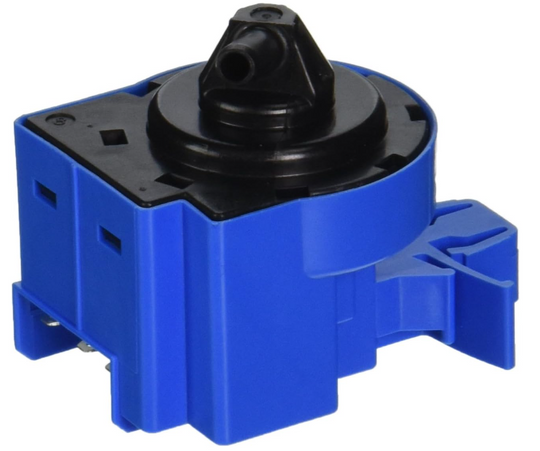
I get it, the internet is convenient. You type in your model, a part pops up, free shipping, done. Until it’s the wrong part. Then you’re waiting another week with a pile of wet laundry and a return label. Local is different. You can hold the part, compare it with the old one, ask questions, and walk out the same day. Appliance outlet stores tend to be more helpful here too, because the folks behind the counter actually work on this stuff. They know that a certain model’s pump fails at around year six, or that two parts look identical and aren’t. That kind of knowledge doesn’t show up in a product listing. Plus if something’s wrong, you drive back. Try doing that with a seller in another state.
Scratch and Dent Appliances: Ugly on the Outside, Fine Where It Counts
When the repair isn’t worth it, here’s where people save the most. Scratch and dent appliances are brand new units with cosmetic damage, maybe a ding on the side panel, a scuffed door, a box that got crushed on the truck. Nothing wrong with how they work. Most come with the same manufacturer warranty, too, which people don’t always realize. The savings can be real, often twenty to forty percent off. And think about it. Your washer sits in a laundry room, or a basement, or beside a wall. Who’s looking at the left side panel? Nobody. I’ve sold dented machines to people whose kitchens look like magazine covers, and they never once regretted it.
Hunting for Deals the Smart Way
So how do you find the good stuff? Start by searching things like appliance outlet near me or appliance discount stores near me, then actually call and ask what’s on the floor. Inventory changes weekly, sometimes daily. Ask about floor models, open-box returns, and last year’s colors. Check the warranty before you pay, and get the delivery details in writing. A lot of folks type discount appliances stores near me into their phone and just go with whoever’s closest, which is fine, but a five minute phone call can save you a couple hundred dollars. Compare two or three places. Don’t be shy about asking if the price is flexible, because sometimes it is, especially on units that have been sitting a while.
Where St. Louis Appliance Wholesalers Fits In
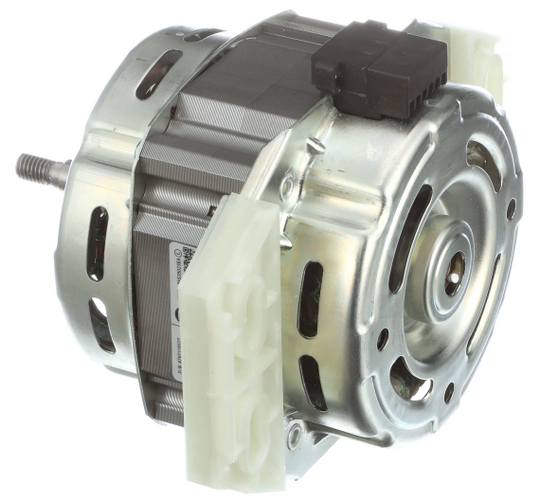
We started St. Louis Appliance Wholesalers because we got tired of watching neighbors overpay for things that weren’t complicated. So the shop does a bit of everything. If you need a part, we can help you track down the right one. If your machine’s done, we’ve got new, open-box, and dented units priced well below what the big retail chains charge. Nobody’s going to push you into something you don’t need. Honestly, half the time we talk people out of buying. If a ten dollar belt fixes the problem, we’ll say so. That’s just how we run it. We’re one of the discount appliances stores folks in the area come back to, mostly because they trust us to be straight with them, even when it costs us a sale.
Frequently Asked Questions
Is it really cheaper to buy parts myself than to hire a technician?
Most of the time, yes. You skip the service fee, the labor, and the parts markup. The catch is you need to diagnose it right. If you’re not sure what’s wrong, pay for a diagnostic once, then buy the part yourself and do the swap.
How do I find the right part for my washer or dryer?
Find the model number, usually on a sticker inside the door frame or on the back. Bring it to the store, or call with it handy. A photo of the broken part helps a lot.
Are scratch and dent appliances covered by a warranty?
Usually they are, since the damage is cosmetic only. Always ask before buying though, and get the warranty terms in writing so there’s no surprise later.
When should I just replace my washer or dryer instead of repairing it?
If the repair costs more than half a new machine, or the unit’s over ten or twelve years old with a major failure, replacing probably makes more sense. Budget-friendly options like outlet and dented units make it less painful.
Conclusion
Appliances break. That’s life. But a broken washer or dryer doesn’t have to mean a four hundred dollar bill or a surprise trip to buy something brand new at full price. A appliance part stores near me can turn a scary repair into a cheap Saturday afternoon fix, and when a machine really is done, discount and dented options keep the replacement cost reasonable. Know your model number, ask questions, compare prices, and don’t be afraid to try the simple fixes first. And if you’re in the St. Louis area and not sure where to start, swing by St. Louis Appliance Wholesalers. We’ll tell you straight whether to fix it or ditch it.
