How Bridge Saw Blades Affect Cutting Speed and Accuracy
Author : Alicia Molly | Published On : 02 Apr 2026
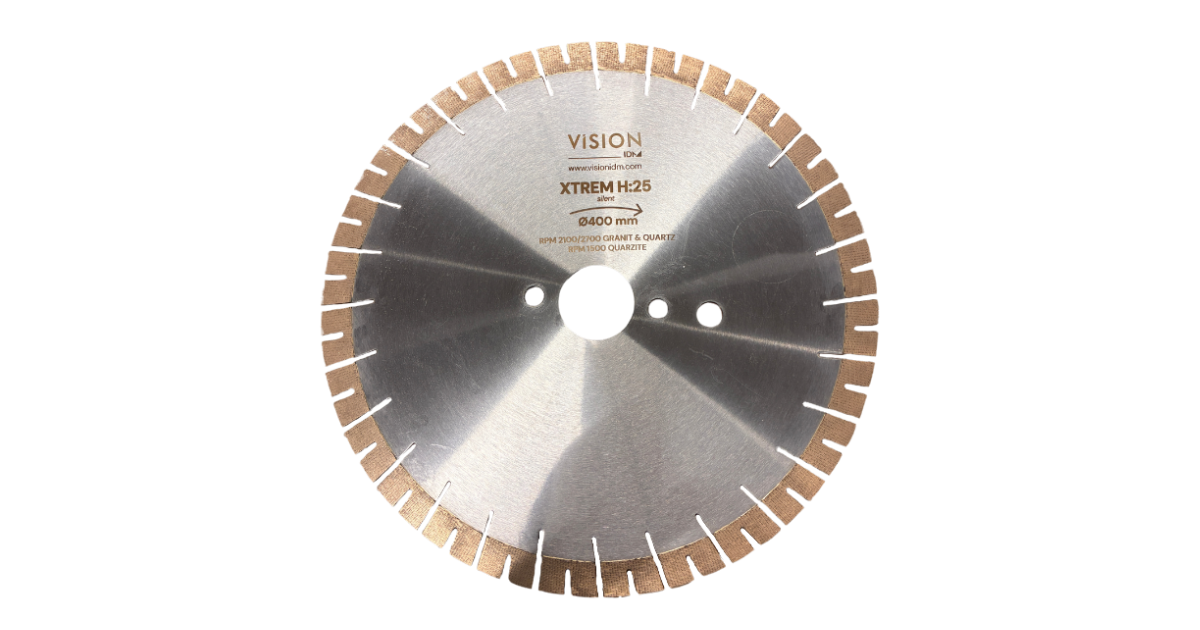
In a stone fabrication shop, the bridge saw does the heavy work. But the blade is what determines how well that work gets done. Cutting speed, edge quality, accuracy, and even machine wear all depend on the blade you run. A high-end saw with the wrong blade will still cut poorly. A properly matched blade turns the same saw into a precise, efficient production tool.
Tait Sales & Consulting, LLC supplies bridge saw blades built for the realities of stone fabrication. Understanding how those blades affect speed and accuracy helps fabricators make better decisions on the floor, not just on paper.
How Bridge Saw Blades Affect Cutting Speed and Accuracy
Blade Quality Controls the Cut
Bridge saw blades are not interchangeable commodities. Blade construction directly affects how the saw performs under load.
A quality blade maintains consistent diameter, balance, and segment integrity throughout its life. Poor blades lose tension, wear unevenly, or deflect during cuts. When that happens, accuracy suffers immediately. Cuts wander, edges burn, and operators slow down to compensate.
A stable blade cuts straight because it stays true at operating speed. That stability is the foundation of both accuracy and speed.
Diamond Quality Matters More Than Speed Settings
Cutting speed isn’t just how fast the saw travels through stone. It’s how efficiently the blade removes material without deflection or overheating.
High-quality bridge saw blades use properly graded diamond and controlled bonding. That allows diamonds to expose at the correct rate as the blade wears. When diamonds are released too quickly, the blade dulls. When they release too slowly, the blade glazes and stops cutting.
A blade that cuts efficiently lets operators maintain consistent feed rates. That keeps production moving without forcing the saw or damaging the stone.
Segment Design Affects Accuracy
Blade segments do more than cut. Their shape, height, and spacing control how the blade behaves under pressure.
Well-designed segments:
- Reduce vibration
- Improve cooling
- Maintain straight tracking
Poor segment design increases chatter and vibration. That vibration transfers into the stone, creating micro-chipping along the cut edge and reducing accuracy. Operators often slow the feed speed to compensate, which reduces output.
A blade that runs smoothly allows the saw to cut faster without sacrificing precision.
Blade Selection Must Match the Material
Granite, marble, quartz, and engineered stone are all cut differently. Using a blade designed for the wrong material reduces both speed and accuracy.
Hard stone requires a blade with a bond that releases diamond slowly. Softer stone needs a bond that wears faster to stay sharp. Engineered materials often demand specialized blade formulations to handle resin and aggregate without overheating.
Running the wrong blade forces operators to slow down, increase passes, or accept poor edge quality. Matching the blade to the material keeps cuts clean and predictable.
Blade Condition Affects Machine Performance
A dull or damaged blade doesn’t just affect the cut, it stresses the entire saw. Increased resistance puts load on motors, bearings, and guides. Over time, this reduces machine accuracy and increases maintenance costs.
High-quality blades wear evenly and predictably. That allows fabricators to schedule blade changes before performance drops. Consistent blade performance protects the saw and keeps cut accuracy stable across shifts.
Ignoring blade condition always costs more than replacing it.
Straight Cuts Depend on Blade Stability
Accuracy on a bridge saw starts with a blade that stays straight under load. If the blade flexes or pulls, the cut will drift, no matter how accurate the saw’s rails and guides are.
Quality bridge saw blades are tensioned to resist deflection. They maintain alignment even when cutting thick slabs or dense material. That straight tracking produces square cuts that fit cleanly at installation.
When a blade pulls, operators compensate by slowing the feed or adjusting cuts manually. That wastes time and introduces variability. A stable blade removes the need for correction.
Cutting Speed Comes From Confidence
Fabricators cut faster when they trust the blade. Confidence comes from predictable performance.
A blade that:
- Starts cutting immediately
- Maintains speed through the cut
- Produces clean edges
Allows operators to run consistent feed rates without hesitation. When blades behave unpredictably, operators slow down to avoid damage.
Speed is not about pushing the saw harder. It’s about running a blade that can handle production pace without losing accuracy.
Blade Wear Affects Edge Quality
As a blade wears, segment height decreases. On lower-quality blades, wear happens unevenly. That causes variations in cutting depth and edge finish.
High-quality bridge saw blades wear uniformly across segments. That consistency keeps edge quality stable from the first cut to the last. Clean edges reduce downstream grinding and polishing time, which improves overall shop efficiency.
Blade wear should be predictable, not a surprise.
Using the Right Blade Saves Time Everywhere Else
A precise bridge saw cut affects every step after it:
- Less edge grinding
- Faster polishing
- Better seam alignment
- Fewer installation issues
Time saved at the saw multiplies throughout the shop. A good blade reduces rework, scrap, and adjustment at every stage.
This is why blade choice is not a minor purchasing decision. It directly affects throughput and finish quality.
The Bottom Line
Bridge saw blades control how fast you cut and how accurate those cuts are. Speed without accuracy creates waste. Accuracy without speed slows production. The right blade delivers both.
Fabricators who choose high-quality bridge saw blades from Tait Sales & Consulting, LLC gain:
- Stable, straight cuts
- Consistent cutting speed
- Cleaner edges
- Reduced machine strain
- Predictable blade life
A bridge saw is only as good as the blade running on it. When the blade is right, the saw works the way it’s supposed to, cutting straight, cutting clean, and keeping production moving without correction or compromise.
