How Black and White Posters Bring Timeless Style to Modern Interiors
Author : Delta Posters | Published On : 30 Oct 2026
The Enduring Appeal of Monochrome Wall Art
A blank wall can make even a beautifully furnished room feel incomplete, while the right artwork can instantly add personality and visual interest. Black and white posters offer a versatile decorating option because they combine simplicity, contrast, and timeless appeal. A carefully selected black and white posters collection can complement modern apartments, traditional homes, creative workspaces, and commercial interiors. These designs work with different colour schemes without overwhelming the surrounding décor. From striking photography to minimalist illustrations, monochrome posters provide an effective way to create an attractive environment that reflects individual taste.
Why Monochrome Posters Suit Different Interior Styles
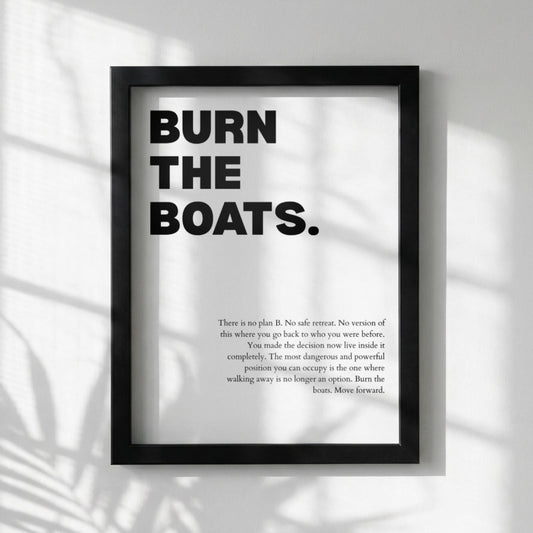
Black and white artwork remains popular because it can adapt to changing interior trends without losing its visual appeal. Minimalist rooms benefit from clean lines and uncluttered compositions, while traditional spaces can use monochrome designs to introduce contrast and sophistication. Industrial interiors may feature architectural photography, whereas contemporary rooms can incorporate abstract shapes and geometric patterns. Since these posters contain limited colours, they can connect furniture, textiles, and accessories that might otherwise feel unrelated. Choosing artwork with a consistent visual theme helps establish harmony, making monochrome posters suitable for both carefully coordinated interiors and more eclectic decorating styles.
Choosing Artwork That Reflects Personal Interests
The most effective wall decorations often communicate something about the people who live or work in a space. Photography enthusiasts may prefer dramatic landscapes, city skylines, or portraits, while nature lovers might select animal illustrations, floral compositions, or botanical studies. Film-inspired imagery, music-related artwork, and abstract designs can also introduce individual character. Before choosing a poster, it helps to consider the atmosphere the room should create. Calm imagery may suit bedrooms and reading corners, while bold compositions can bring energy to living rooms, studios, and offices. Personal relevance often makes artwork more meaningful over time.
Adding Character with Vintage-Inspired Designs
Vintage-inspired artwork introduces nostalgia and historical character into contemporary interiors. Old advertisements, classic illustrations, archival photographs, and retro travel imagery can create distinctive decorative displays. Incorporating black and white vintage prints allows homeowners to explore these themes while maintaining a consistent, neutral colour palette. Such artwork can complement wooden furniture, traditional furnishings, exposed brick, or modern minimalist settings. A single vintage print may provide an understated focal point, while several related designs can create a more detailed gallery wall. Selecting images with complementary subjects, proportions, and visual styles helps prevent the arrangement from appearing disorganised.
Finding the Right Poster Size and Placement
Poster dimensions and placement have a significant influence on the overall appearance of a room. Large designs can provide a focal point above a sofa, bed, desk, or dining table, while smaller prints work well in narrow spaces and compact arrangements. Measuring the available wall area before purchasing artwork helps maintain appropriate proportions. A poster that is too small may appear disconnected from the furniture, while an oversized design can dominate a limited space. Eye-level positioning generally makes artwork easier to appreciate. Considering nearby furniture, lighting, and wall colour can further improve the visual relationship between the poster and its surroundings.
Creating a Balanced Gallery Wall
A gallery wall allows several posters to work together as a coordinated display. Monochrome artwork is particularly useful for this purpose because a shared colour scheme can connect different subjects and illustration styles. Photographs, architectural drawings, abstract graphics, and vintage advertisements may be combined to create a personalised arrangement. Matching frames can produce a neat, structured appearance, while different frame sizes introduce variety. Before hanging the artwork, arranging paper templates on the wall can help determine suitable spacing and alignment. A mixture of large and small pieces can establish visual rhythm without making the display feel crowded.
Selecting Frames and Maintaining Artwork Quality
Frames and printing materials influence both the appearance and longevity of wall art. Black frames can emphasise contrast, while white frames create a lighter presentation. Natural wood adds warmth and may complement furniture, flooring, or other organic textures. Matte finishes can reduce glare in brightly lit rooms, allowing fine details to remain visible. It is also important to consider sunlight, humidity, and dust when deciding where posters should be displayed. Keeping prints away from excessive moisture and direct sunlight can help preserve their appearance. Appropriate framing provides an additional layer of protection while giving artwork a polished finish.
Transforming Empty Walls into Meaningful Displays
Black and white posters provide a flexible way to improve interior spaces without requiring major decorative changes. Their neutral palette makes them easy to coordinate with different furnishings, while varied subjects offer opportunities to express personal interests and design preferences. The right combination of imagery, size, framing, and placement can make a room feel more complete and visually balanced. For further inspiration when exploring poster styles and decorative possibilities, Delta Posters can be considered as a resource. With thoughtful selection and arrangement, monochrome wall art can create a distinctive atmosphere that remains appealing even as furniture and interior trends evolve.
