How Attic Insulation Can Help Reduce Heat Transfer Through Ceiling Joists
Author : Attic Insulation Plus | Published On : 11 Nov 2026
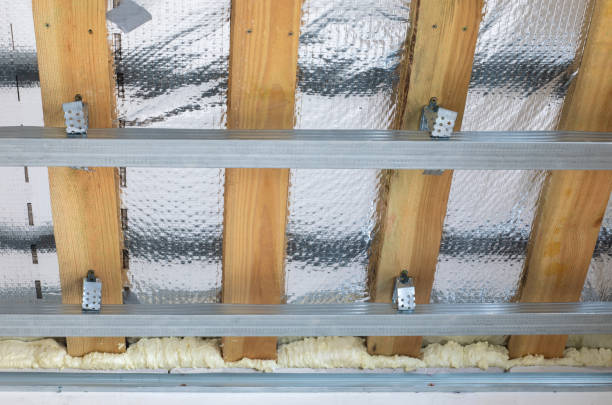
A comfortable home depends on more than a good air conditioning system. The way a home is insulated also plays an important role in controlling indoor temperatures. During hot weather, heat can enter through the roof and attic, making living spaces warmer and forcing air conditioning systems to work harder. One area that homeowners should not overlook is the ceiling joists.
Ceiling joists are structural wooden or metal members that support the ceiling and help form the attic floor. Although they are important for the structure of a home, they can also create paths for heat transfer. When an attic does not have enough insulation, heat can move through these joists and affect the rooms below.
Proper attic insulation helps reduce this heat transfer, supports better indoor comfort, and may lower energy costs. Understanding how insulation works around ceiling joists can help homeowners make better decisions about improving their homes.
Understanding Heat Transfer Through Ceiling Joists
Heat naturally moves from warmer areas to cooler areas. During summer, the roof absorbs sunlight and becomes hot. This heat can spread into the attic and gradually move toward the ceiling below.
Ceiling joists can contribute to this process because wood and other building materials allow some heat to pass through them. This movement of heat through a solid material is called conduction.
When insulation is installed between ceiling joists, it slows down heat movement through the insulated sections. However, the joists themselves may still allow some heat to pass through. This is known as thermal bridging.
Thermal bridging happens when heat travels through a material that conducts heat more easily than the surrounding insulation. As a result, even an attic with insulation may have areas where heat transfer is higher.
This is why proper insulation coverage matters. Homeowners should consider both the spaces between the joists and the joists themselves when planning attic insulation improvements.
How Attic Insulation Reduces Heat Transfer
Attic insulation works by slowing the movement of heat between the attic and the living areas of a home. Most insulation materials contain small pockets of trapped air that reduce heat movement.
During summer, insulation helps prevent hot attic air and roof heat from easily reaching the ceiling below. During cooler weather, it helps keep indoor warmth from escaping into the attic.
When insulation is installed correctly, it creates a more consistent thermal barrier across the ceiling area.
Here are some important ways attic insulation helps reduce heat transfer:
-
Slows heat movement: Insulation reduces the amount of heat that travels from the attic into the rooms below.
-
Reduces temperature differences: Better coverage helps prevent certain ceiling areas from becoming noticeably warmer than others.
-
Improves energy efficiency: Less heat entering the home can reduce the demand on the air conditioning system.
-
Supports indoor comfort: More stable indoor temperatures can make bedrooms, living rooms, and other spaces more comfortable.
However, insulation does not completely eliminate heat transfer through ceiling joists. The goal is to reduce the amount of heat moving through the entire ceiling assembly.
Why Batt Insulation Is Useful Around Ceiling Joists
Batt insulation is a popular option for improving attic insulation. It usually comes in pre-cut sections or rolls made from materials such as fiberglass or mineral wool. These materials are designed to fit between framing members, including ceiling joists.
One of the main advantages of batt insulation is that it can provide consistent coverage when installed correctly. The material is placed between joists to create a thermal barrier that slows heat movement.
Homeowners considering this option can explore professional Batt Insulation services to understand how the right insulation material can improve attic performance.
For the best results, batt insulation should fit properly between the joists without being compressed, folded, or left with large gaps. Compression reduces its effectiveness because the material needs sufficient thickness to trap air.
It is also important to avoid leaving uncovered areas around pipes, wiring, attic openings, and other obstacles. These gaps can allow heat to move through the ceiling more easily.
Batt Insulation vs. Blown-In Insulation
Batt insulation is not the only option for reducing heat transfer through ceiling joists. Blown-in insulation is another common choice for residential attics.
Blown-in insulation consists of loose insulation material that is distributed across the attic using specialised equipment. It can spread around joists, corners, and difficult-to-reach areas, helping create more continuous coverage.
Both options have advantages, and the right choice depends on the attic layout, existing insulation, accessibility, and the home's insulation requirements.
Batt insulation is useful when the attic has clearly defined spaces between joists. Its pre-cut sections make it easier to install in regular framing layouts.
Blown-in insulation can be helpful in attics with irregular spaces, multiple obstructions, or existing insulation that needs additional coverage.
Homeowners can learn more by reading Blown-In Insulation vs. Batts: Which Is Best for Your Attic?. Understanding the differences between these materials makes it easier to choose an option that suits the property's needs.
In some situations, a combination of insulation methods may provide better coverage. A professional assessment can help determine whether additional insulation is needed and which installation method will work best.
The Importance of Proper Insulation Installation
Choosing a suitable insulation material is only one part of improving attic performance. Installation quality is equally important.
Even high-quality insulation may not perform as expected if it is installed incorrectly. Small gaps, uneven coverage, and compressed insulation can create weak areas in the thermal barrier.
Here are some important installation points homeowners should consider:
1. Maintain consistent insulation coverage
Insulation should cover the intended ceiling area evenly. Missing sections can create pathways for heat to move into the living space.
2. Avoid compressing insulation
Batt insulation should maintain its recommended thickness. Pressing it into tight spaces can reduce its thermal resistance.
3. Seal air leaks where appropriate
Air leaks around ceiling penetrations, light fixtures, and attic access points can allow hot air to move between the attic and indoor areas. These openings should be properly addressed using suitable materials and safe installation methods.
4. Keep ventilation pathways clear
Attic ventilation plays an important role in managing heat and moisture. Insulation should not block soffit vents or other designed ventilation openings. Proper ventilation and insulation should work together.
5. Check for moisture problems
Water leaks and excess moisture can damage insulation and reduce its effectiveness. Any moisture issues should be identified and corrected before new insulation is installed.
Common Signs That Your Attic Needs Better Insulation
Homeowners may not always notice insulation problems by looking at the attic. However, certain signs can indicate that the existing insulation is no longer performing properly.
Some common warning signs include:
-
Rooms becoming unusually hot during summer.
-
Air conditioning running frequently without maintaining comfortable temperatures.
-
Noticeable temperature differences between rooms.
-
Higher energy bills during warmer months.
-
Insulation that looks thin, damaged, damp, or uneven.
-
Visible gaps around ceiling joists and attic openings.
These signs do not always mean that insulation is the only problem. Roof leaks, poor ventilation, air leakage, and HVAC issues can also affect indoor comfort.
A professional attic inspection can help identify the actual cause and determine the most suitable solution.
Why Attic Insulation Matters in North Miami Homes
Homes in warm locations such as North Miami can experience significant heat exposure throughout the year. Strong sunlight can increase roof temperatures, allowing heat to build up inside attic spaces.
Without proper insulation, this heat may gradually transfer through ceiling joists and into living areas. As a result, air conditioning systems may need to operate longer to maintain comfortable indoor temperatures.
Improving attic insulation can help reduce this unwanted heat transfer and support more consistent indoor conditions.
Property owners looking for local assistance can explore Attic Insulation North Miami to learn more about insulation solutions for homes in the area.
The right insulation approach should consider the property's roof design, existing insulation, attic ventilation, and overall condition. Since every home is different, an inspection can help identify areas where improvements will provide the most benefit.
Additional Benefits of Reducing Heat Transfer
Although reducing heat transfer through ceiling joists is an important goal, proper attic insulation can offer several other advantages.
Lower energy consumption: When less outdoor heat enters the living space, the cooling system may not need to work as hard. This can help reduce electricity usage.
Improved indoor comfort: Insulation helps limit temperature fluctuations, creating a more comfortable environment throughout the home.
Reduced HVAC workload: Better thermal performance can reduce unnecessary demand on heating and cooling equipment.
Better year-round performance: While attic insulation is particularly useful during hot weather, it also helps retain indoor warmth during cooler periods.
These benefits depend on the condition of the home, the insulation material, installation quality, and other factors such as air sealing and ventilation.
Conclusion
Ceiling joists may seem like a small part of an attic, but they can contribute to heat transfer through a home's ceiling. Thermal bridging allows heat to move through these structural members, reducing the overall effectiveness of the insulated ceiling.
Proper attic insulation helps slow this movement by creating a more consistent thermal barrier. Options such as batt and blown-in insulation can improve coverage when selected and installed according to the attic's requirements.
For homeowners, the most important step is to ensure that insulation is evenly installed, air leaks are addressed, and ventilation pathways remain clear. With the right approach, attic insulation can improve indoor comfort, support energy efficiency, and reduce unwanted heat transfer through ceiling joists.
