How Are Chinese Used Cars Transforming Global Automotive Markets?
Author : HitokaCece HitokaCece | Published On : 17 Jul 2026
Introduction
Over the years in the automotive export industry, I have watched a remarkable transformation unfold. China's used car export market has grown from a modest 69,000 units in 2022 to over 160,000 in 2023, and industry forecasts project annual exports will surpass 1 million by 2025. By 2024, exports reached over 400,000 vehicles, with approximately 90% being "zero-mileage" cars—new vehicles exported as used. The market now covers more than 160 countries and regions across Southeast Asia, the Middle East, Latin America, and Europe. This explosive growth is transforming how international buyers source vehicles, how global automotive markets operate, and how China's automotive industry engages with the world. Having worked with dealers and industry observers across multiple regions, I have seen how Chinese used cars are reshaping the global automotive landscape. In this article, I want to share how Chinese used cars are transforming global automotive markets.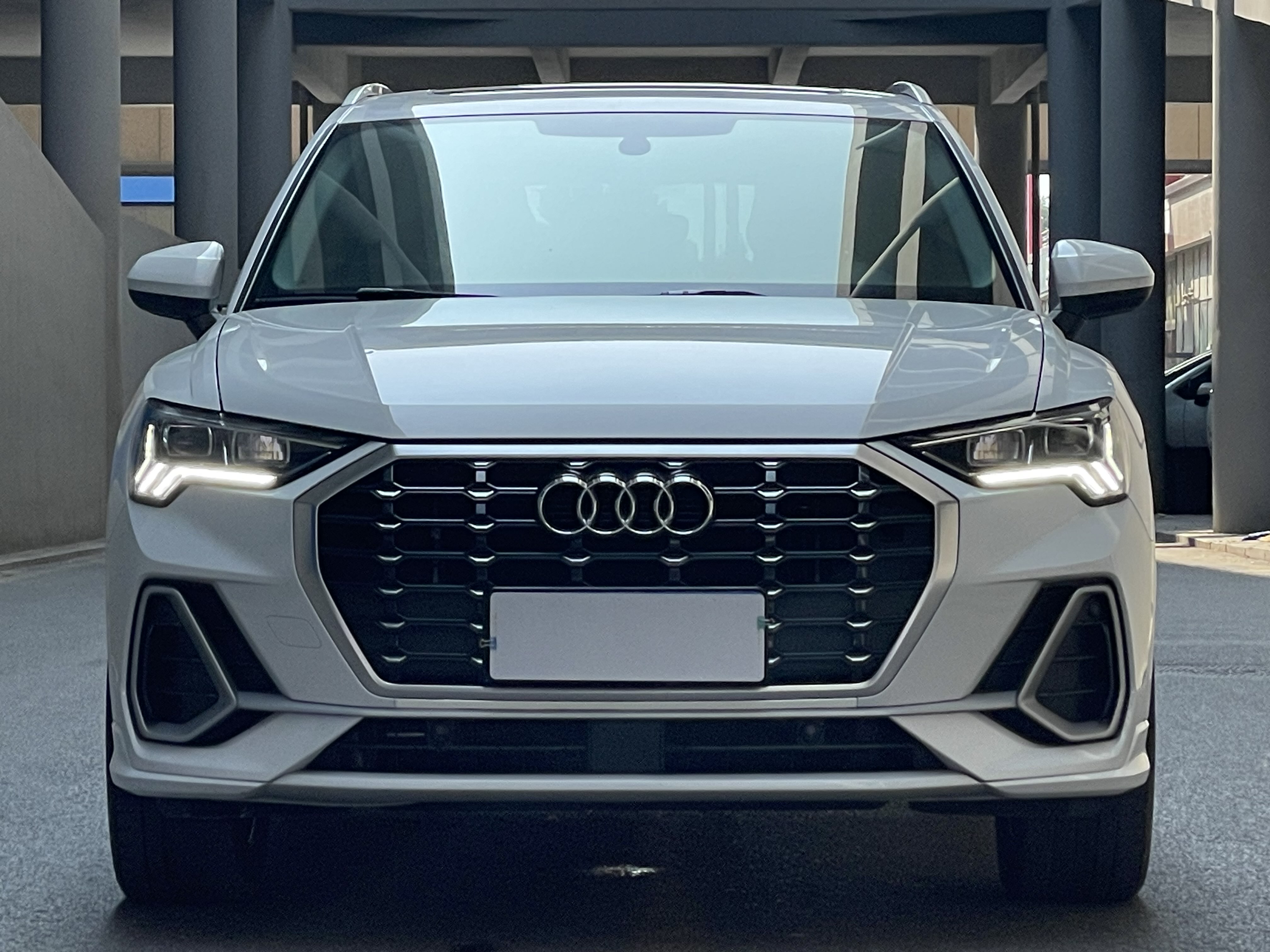
Chinese Used Cars Competitive Pricing and Value Proposition
The most immediate impact of Chinese used cars on global markets is their competitive pricing and compelling value proposition. China's position as the world's largest automotive market creates a vast supply of used vehicles, enabling exporters to offer competitive prices that appeal to buyers across income levels. The competitive pricing of Chinese used cars is expanding access to vehicle ownership in developing markets where new cars remain unaffordable for many consumers. In markets across Africa, Southeast Asia, and Latin America, Chinese used cars are filling a critical gap, providing affordable transportation that supports economic activity and improves quality of life. The value proposition extends beyond price. Chinese used cars offer a combination of modern features, fuel efficiency, and reliability that meets the needs of diverse buyers. I have worked with dealers who found that Chinese used cars consistently outperformed vehicles from other sources in terms of price-to-value ratio.
Chinese Used Cars Diverse Vehicle Selection
The second major impact of Chinese used cars on global markets is the diversity of vehicle selection they offer. China's domestic automotive market is one of the most diverse in the world, with vehicles ranging from compact city cars and family SUVs to commercial vehicles and luxury models. This diversity is reflected in the export market, where international buyers can source a wide range of makes and models to match the preferences of their target markets. Since 2016, experienced exporters have cumulatively exported over 15,000 vehicles of various models, including complete vehicles, KD units for local assembly, used vehicles, inventory cars, and electric vehicles. The availability of diverse models enables dealers to build inventories that appeal to a broad customer base, from budget-conscious buyers to those seeking premium features. This selection also supports market diversification, as different regions have different vehicle preferences and requirements.
Chinese Used Cars Growing Role of Electric Vehicles
The third key impact of Chinese used cars on global markets is the growing role of electric vehicles in the export mix. China is a global leader in electric vehicle production and adoption, and this leadership is now extending to the used car export market. By 2025, the share of new energy vehicles in China's used car export mix is expected to reach 35%, with some regions seeing even higher proportions. In regions such as Southeast Asia and the Middle East, the availability of affordable used EVs from China is accelerating the transition to electric mobility. These vehicles offer lower operating costs, reduced emissions, and access to growing charging infrastructure. For dealers, the ability to source used EVs from China provides a competitive advantage in markets where demand for electric vehicles is growing. I have worked with dealers who capitalized on the growing demand for used EVs and built profitable inventories around these vehicles.
Conclusion
Chinese used cars are transforming global automotive markets through competitive pricing and compelling value proposition that expand access to vehicle ownership in developing markets, diverse vehicle selection that enables dealers to build inventories matching local preferences, and the growing role of electric vehicles in the export mix that accelerates the transition to electric mobility. With exports reaching over 160 countries and projected to exceed 1 million annually by 2025, Chinese used cars are not just a trend—they are a fundamental shift in the global automotive landscape. For dealers, fleet operators, and industry observers, understanding this transformation is essential for navigating the future of global automotive trade.
