How a Logistics Company Helps Businesses Reduce Shipping Costs
Author : Media post | Published On : 27 Oct 2026
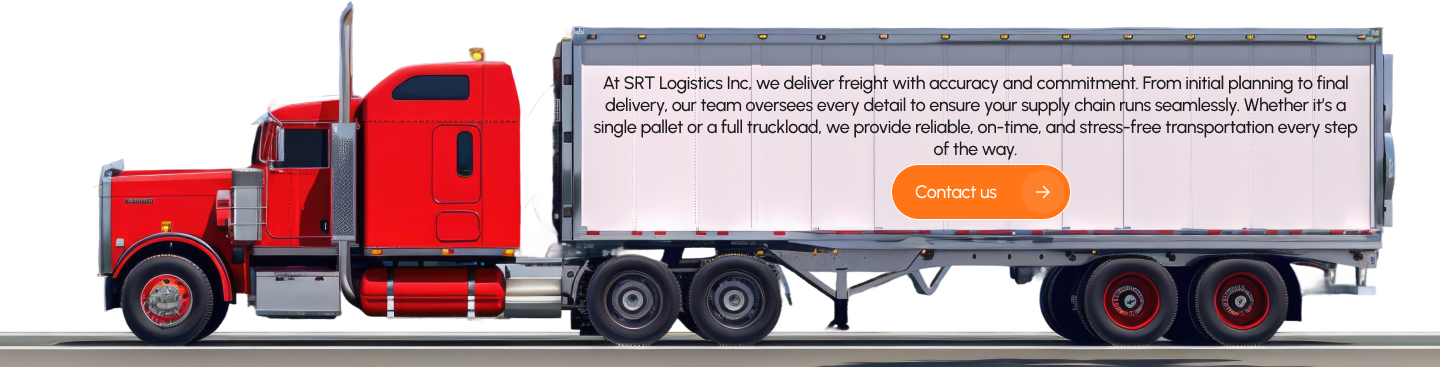
Shipping costs are an important part of business operations, especially for companies that transport products across cities, provinces, and international borders. High transportation expenses, inefficient routes, poor inventory management, and delays can affect profitability and customer satisfaction. Working with a suitable logistics partner can help businesses manage these challenges while keeping their supply chains running smoothly.
A logistics company in Canada can support businesses by planning shipments efficiently, selecting suitable transportation methods, coordinating deliveries, and managing warehousing requirements. With the right logistics strategy, businesses can reduce unnecessary expenses, improve delivery performance, and make better use of their transportation budgets.
Understanding the Main Factors Behind Shipping Costs
Before reducing shipping expenses, businesses need to understand what contributes to their transportation budgets. Freight charges depend on several factors, including shipment size, weight, distance, delivery timelines, fuel prices, handling requirements, and the type of goods being transported.
For example, sending a small shipment using an entire truck may result in higher costs than necessary. Similarly, poor route planning or repeated handling can increase transportation expenses. Special requirements, such as refrigerated shipping or hazardous goods transport, may also affect the total cost.
Understanding these factors allows businesses to identify areas where improvements are possible. A structured shipping plan can help companies control expenses without compromising product safety or delivery standards.
Choosing the Right Transportation Method
Selecting the appropriate transportation service is one of the most effective ways to manage freight expenses. Different shipments require different solutions, and choosing the wrong option can lead to unnecessary spending.
Full truckload (FTL) shipping is suitable for businesses transporting large quantities of goods that can fill a truck or require dedicated vehicle space. Less than truckload (LTL) transportation allows businesses to share truck space with other shipments, making it useful for smaller freight loads.
Intermodal transportation combines different modes, such as road and rail, to move goods between destinations. Depending on the route, shipment volume, and delivery schedule, this option may provide cost advantages.
A logistics provider can evaluate shipment requirements and recommend suitable transportation methods. Matching the shipping method to the size, weight, and urgency of the freight helps businesses avoid paying for capacity they do not need.
Improving Route Planning and Delivery Scheduling
Transportation routes have a direct impact on fuel consumption, driver hours, and overall delivery expenses. Inefficient routes can increase mileage, cause delays, and create additional operating costs.
Professional logistics planning considers delivery locations, road conditions, traffic patterns, distance, and scheduling requirements. Coordinating multiple deliveries along suitable routes can reduce unnecessary travel and improve vehicle utilization.
Businesses can also benefit from flexible delivery schedules when their operations allow it. Shipping non-urgent goods during less congested periods or consolidating deliveries can help reduce costs.
A logistics company can assist businesses with coordinating freight movements across provinces and planning cross-border transportation between Canada and the United States. Effective scheduling helps reduce avoidable delays and supports more predictable delivery operations.
Reducing Costs Through Shipment Consolidation
Shipment consolidation involves combining smaller shipments into a larger load whenever practical. Instead of arranging multiple separate deliveries, businesses can group compatible orders to make better use of available truck space.
This approach can reduce transportation expenses, handling requirements, and the number of individual shipments. It is particularly useful for companies that regularly send smaller quantities of products to similar destinations.
However, consolidation requires careful planning. Businesses must consider delivery deadlines, product compatibility, handling requirements, and customer expectations before combining freight.
For companies with regular shipping schedules, working with a transportation provider can make it easier to identify consolidation opportunities. Better load planning helps improve capacity utilization and may reduce the average cost of transporting each unit.
Using Warehousing and Inventory Management Effectively
Warehousing plays an important role in controlling shipping expenses. Poor inventory planning can lead to emergency deliveries, repeated transportation, and additional storage charges.
Well-organized warehousing services help businesses store products closer to important markets, coordinate outgoing orders, and manage inventory more effectively. When inventory is positioned strategically, companies may reduce delivery distances and respond to customer orders more efficiently.
Cross-docking warehousing can also help reduce storage time by transferring incoming goods directly to outbound transportation when suitable. For products that require longer holding periods, long-term storage can provide a planned solution for managing inventory between shipments.
Businesses should review stock levels, order patterns, and delivery requirements regularly. Combining inventory planning with transportation scheduling helps reduce avoidable movements and supports better cost control.
Managing Cross-Border Shipping Expenses
Companies that ship goods between Canada and the United States must consider more than basic transportation charges. Customs documentation, regulatory requirements, border delays, and shipment coordination can all affect total shipping costs.
Incorrect paperwork or incomplete shipment information may result in delays, additional handling, or unexpected expenses. Preparing the required documentation and coordinating transportation in advance can help businesses avoid many preventable problems.
Cross-border freight services can assist with organizing shipments, coordinating transport schedules, and communicating with the relevant parties involved in the shipping process. Businesses should also understand which party is responsible for customs clearance, duties,
Preventing Delays and Additional Handling Charges
Late deliveries can create expenses beyond the original freight bill. Businesses may face missed appointments, production interruptions, additional storage charges, or dissatisfied customers.
Accurate shipment information, proper packaging, clear delivery instructions, and effective communication can help reduce these problems. Businesses should provide correct dimensions and weights, identify special handling requirements, and ensure that goods are ready for collection at the scheduled time.
For temperature-sensitive products, refrigerated transport services can help maintain the required conditions during transit. Other freight may require flat deck trucking, specialized handling, or suitable equipment.
Choose SRT Logistics Inc
SRT Logistics Inc. provides freight transportation and logistics solutions for businesses that need to move goods across Canada and between Canada and the United States. Its services include full truckload and less than truckload shipping, cross-border transportation, refrigerated shipping, dry goods transportation, hazardous goods transport, flat deck trucking, intermodal freight, and warehousing.
By bringing transportation and storage services together, SRT Logistics helps businesses plan their freight requirements according to shipment size, cargo type, destination, and delivery schedule. Access to different transportation options allows businesses to evaluate practical shipping arrangements rather than relying on a single method for every load.
Conclusion
Reducing shipping costs requires more than choosing the lowest freight rate. Businesses should evaluate transportation methods, optimize routes, consolidate shipments, improve inventory management, and prepare for cross-border requirements. These steps can help reduce unnecessary expenses while maintaining service quality and timely deliveries. Partnering with a logistics company in Canada can make it easier to coordinate these activities and identify opportunities for improvement as business needs change.
SRT Logistics Inc. supports businesses with freight transportation, truckload shipping, warehousing, refrigerated transport, and cross-border logistics services. Located at 2677 Mount Lehman Rd, Abbotsford, BC V4X 2N2, Canada, the company works with businesses that require transportation solutions across Canada and the United States. To discuss your shipping requirements and explore suitable logistics options, contact SRT Logistics Inc. at +16047554535
