How a Construction Management System Helps Track Construction Progress and Deadlines
Author : construct xpert | Published On : 05 Aug 2026
Construction projects involve multiple activities, teams, suppliers, materials, approvals, and deadlines that must work together. Even a small delay in one activity can affect subsequent tasks and increase project costs. For construction companies in India, where projects often involve complex coordination between contractors, subcontractors, engineers, vendors, and clients, having clear visibility into project progress is essential.
A Construction Management System helps construction businesses organize project activities, monitor milestones, track deadlines, and identify potential delays before they become major problems. By bringing important project information into one centralized platform, construction teams can make better decisions and keep projects moving according to plan.
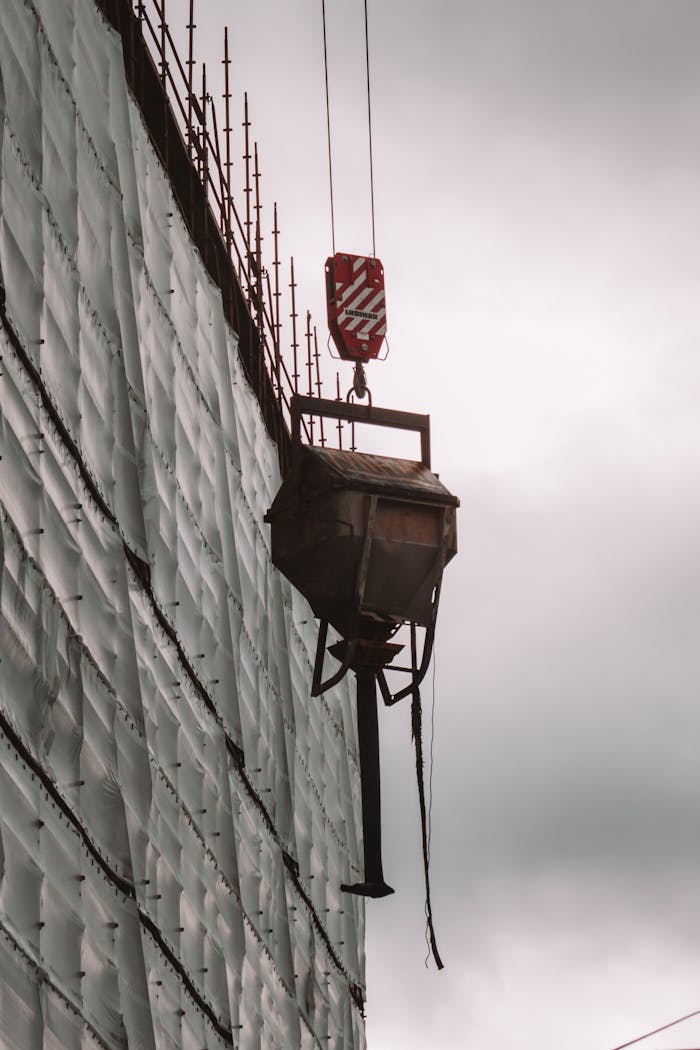
Why Tracking Construction Progress Matters
Construction progress tracking is more than simply checking whether work has started or finished. Project managers need to understand how much work has been completed, which activities are pending, and whether the project is following its planned schedule.
Poor progress tracking can lead to:
-
Missed project deadlines
-
Unplanned labor costs
-
Material shortages
-
Communication gaps
-
Delayed approvals
-
Increased rework
-
Difficulty identifying responsibility for delays
According to industry research, construction projects frequently experience schedule and cost overruns due to factors such as poor planning, coordination issues, material delays, and changes during execution. This makes systematic project monitoring particularly valuable for Indian construction businesses managing residential, commercial, infrastructure, and industrial projects.
Centralized Project Information Improves Visibility
One of the major advantages of a Construction Management System is centralized information management. Instead of depending on spreadsheets, paper records, messaging applications, and disconnected files, teams can manage essential project information from a common system.
Project managers can monitor:
-
Planned and completed activities
-
Project milestones
-
Task assignments
-
Upcoming deadlines
-
Site activities
-
Material requirements
-
Workforce responsibilities
-
Pending approvals
-
Project updates
This centralized approach gives managers a clearer understanding of what is happening across the project and makes it easier to respond when progress differs from the original plan.
Set Milestones and Track Important Deadlines
Every construction project contains critical milestones, such as foundation completion, structural work, electrical installation, plumbing, finishing, inspections, and final handover.
A digital management system can help teams define these milestones and assign deadlines to individual activities. Managers can then compare planned progress with actual completion.
For example, if structural work is scheduled to finish by a particular date but site updates indicate that the activity is behind schedule, the project manager can investigate the reason and take corrective action.
This approach helps prevent small delays from developing into larger schedule problems.
Real-Time Updates Support Faster Decisions
Construction sites can change rapidly. Weather conditions, labor availability, material deliveries, design changes, equipment issues, or client approvals can affect daily progress.
With a Construction Management System, authorized team members can update project information as work progresses. Managers can use these updates to understand current project conditions without relying entirely on manual reporting.
For Indian construction companies working across multiple locations, digital updates can also improve communication between office teams and site personnel.
Identify Delays Before They Affect the Project
Early identification of delays is one of the most useful benefits of structured progress tracking.
A project manager can compare expected completion dates with actual progress and investigate activities that are falling behind. For example, a delay in material delivery may affect masonry work, which could then affect electrical and finishing activities.
By identifying the issue early, management can consider practical solutions such as:
-
Revising task priorities
-
Coordinating with suppliers
-
Reallocating available resources
-
Adjusting workforce schedules
-
Following up on approvals
-
Updating activity timelines
The objective is not simply to record delays but to provide better visibility so teams can respond proactively.
Improve Accountability Across Construction Teams
Construction projects involve several people and organizations. Without clear task ownership, activities can easily be overlooked.
A construction management platform allows project managers to assign responsibilities to relevant team members and monitor task status. This creates greater accountability because everyone can understand what needs to be completed and when.
Clear responsibility can help reduce confusion between contractors, engineers, supervisors, procurement teams, and project managers.
Connect Progress Tracking With Resource Planning
Construction progress is closely connected with materials, labor, equipment, and finances. A project may have an excellent schedule on paper but still experience delays if required resources are unavailable.
Integrating progress monitoring with other construction management functions can help managers understand whether resources are supporting the planned schedule.
For instance, if a task is scheduled to begin but required materials have not arrived, managers can identify the issue earlier instead of discovering it after the workforce reaches the site.
Use Project Reports to Measure Performance
Reports provide a structured way to evaluate project performance. A Construction Management System can help generate useful information about completed activities, pending tasks, milestones, and deadlines.
Regular reporting can help management answer questions such as:
-
Which activities are completed?
-
Which tasks are delayed?
-
Which deadlines are approaching?
-
What work remains?
-
Where are resources being utilized?
-
Which project areas require immediate attention?
These insights can support more informed decisions and improve project control.
Benefits for Indian Construction Companies
India's construction sector includes businesses ranging from small contractors and builders to large infrastructure companies. Their project requirements may differ, but the need for accurate coordination and timely execution remains common.
A digital construction management approach can help Indian businesses:
-
Reduce dependency on manual tracking
-
Improve communication between office and site teams
-
Monitor multiple projects more efficiently
-
Maintain better deadline visibility
-
Improve task accountability
-
Identify potential delays earlier
-
Support more organized project reporting
The effectiveness of any system depends on proper implementation, accurate data, and consistent usage by project teams.
Build Better Control Over Construction Deadlines
Completing a construction project on time requires continuous monitoring rather than occasional status checks. When project managers have access to organized and updated information, they can identify issues earlier and coordinate corrective actions more effectively.
A Construction Management System provides a structured way to manage tasks, milestones, progress updates, responsibilities, and deadlines in one environment. For construction businesses in India, this can contribute to better project visibility, improved coordination, and more disciplined execution.
For businesses looking to strengthen construction project tracking and streamline day-to-day management, Construct Xpert can help bring essential construction management activities into a more organized digital workflow.
Contact Construct Xpert:
-
Mobile: +91-9958474631
-
Email: [email protected]
