Hidden Cost of Over-Packaging: Identifying Waste in Your Fulfillment Center
Author : Todd Beddard | Published On : 09 Jul 2026
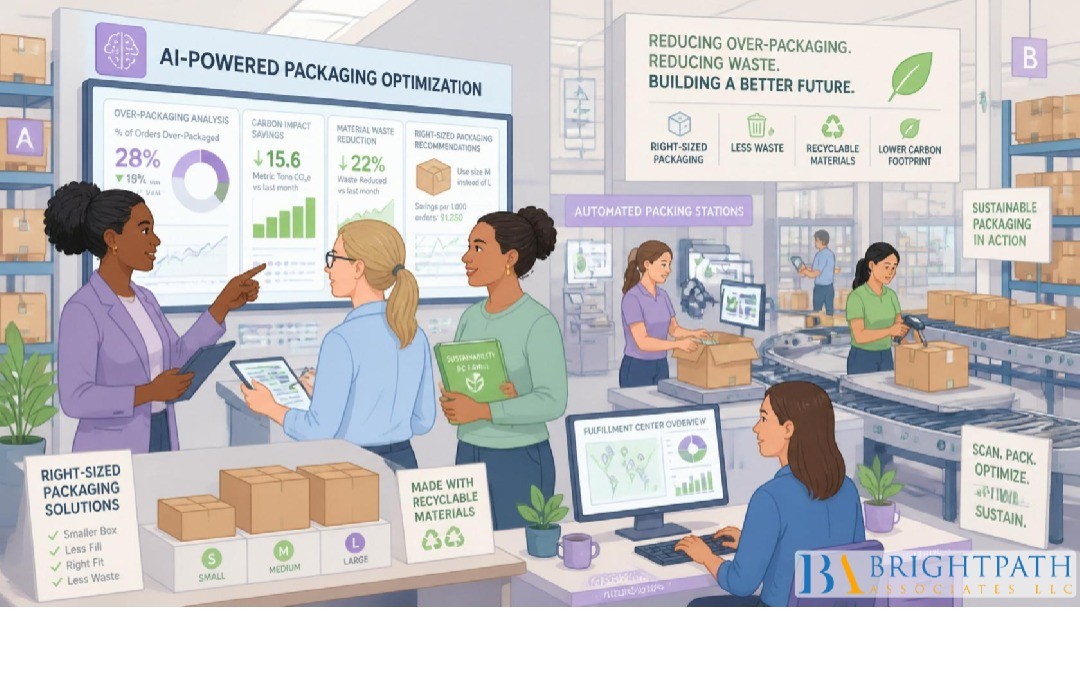
In today's competitive marketplace, fulfillment centers are under constant pressure to deliver products quickly, safely, and cost-effectively. While many organizations focus on reducing shipping rates, improving warehouse productivity, and optimizing inventory, one critical area often goes unnoticed: over-packaging.
Using oversized boxes, excessive void fill, multiple protective layers, or unnecessary packaging materials may seem like a minor operational decision. However, when multiplied across thousands of daily shipments, these practices can quietly erode profit margins, reduce warehouse efficiency, and negatively impact sustainability goals.
For small and mid-sized businesses in the packaging and container industry, identifying and eliminating packaging waste is no longer just an environmental initiative—it has become a strategic business priority.
Understanding the True Cost of Over-Packaging
Many companies associate packaging costs only with the price of boxes, tape, and cushioning materials. In reality, the financial impact extends much further.
Oversized or inefficient packaging increases material consumption, shipping expenses, warehouse storage requirements, labor time, and even product return costs. Larger packages often trigger dimensional weight pricing from carriers, meaning businesses pay to transport empty space rather than the product itself. Over-packaging also contributes to higher transportation emissions and unnecessary waste, creating additional environmental and reputational costs.
Warehouse Efficiency Begins with Packaging Design
Packaging decisions directly influence warehouse productivity. Employees spend additional time selecting oversized cartons, adding excess protective materials, sealing larger boxes, and moving heavier shipments through packing stations. These extra steps may only add seconds to each order, but across thousands of shipments, they translate into substantial labor costs.
Optimized packaging simplifies workflows by reducing packing time, minimizing material handling, and improving consistency throughout fulfillment operations. Modern fulfillment centers increasingly evaluate packaging as part of an integrated operational strategy rather than an isolated procurement decision.
Shipping Costs Are Often Higher Than Expected
Transportation costs remain one of the largest operating expenses for fulfillment centers. Carriers increasingly calculate shipping charges using dimensional weight rather than actual package weight. This means unnecessarily large packages often cost significantly more to ship, even when the products inside are lightweight.
Right-sized packaging allows organizations to maximize trailer utilization, reduce freight expenses, and improve overall transportation efficiency. Companies that regularly review package dimensions frequently uncover opportunities for meaningful cost reductions without compromising product protection. Research and industry experience continue to show that right-sizing cartons can significantly reduce transportation costs while maintaining delivery performance.
People Remain the Competitive Advantage
Technology and automation are transforming fulfillment operations, but successful packaging optimization still depends on experienced leadership. Operations managers, packaging engineers, supply chain professionals, continuous improvement specialists, and manufacturing leaders all play critical roles in identifying waste and implementing sustainable solutions.
Finding professionals with expertise in packaging optimization, fulfillment strategy, automation, and operational excellence has become increasingly challenging for many organizations. This growing demand highlights the importance of partnering with industry specialists who understand both the technical and leadership requirements of the packaging sector.
Organizations seeking experienced professionals can learn more about specialized executive recruitment solutions through BrightPath Associates' Packaging and Containers Industry practice.
Building Smarter Fulfillment Operations
Reducing over-packaging is not about using less material at the expense of product protection. Instead, it involves designing packaging systems that balance protection, efficiency, sustainability, and cost. These competitive advantages become increasingly important as businesses navigate rising transportation costs, evolving customer expectations, and greater supply chain complexity.
For a deeper exploration of strategies to identify packaging waste and improve fulfillment efficiency, read BrightPath Associates' comprehensive article on Hidden Cost of Over-Packaging in Your Fulfillment Center.
Looking Ahead
Packaging should never be viewed as merely the final step before shipping. It is a strategic component of operational excellence that influences cost, sustainability, customer satisfaction, and long-term competitiveness.
Organizations that continuously evaluate packaging practices, invest in operational improvements, and develop strong leadership teams will be better positioned to adapt to changing market demands and maintain a competitive advantage.
