Hexa Bolts Manufacturers in India
Author : kunj bhansali | Published On : 11 Aug 2026
Hexa Bolts: Types, Uses, Materials, and Benefits
Hexa bolts are one of the most commonly used fasteners in construction, engineering, machinery, and industrial work. They are designed to join two or more parts securely with the help of a nut or a threaded hole. Because of their simple design, strength, and easy installation, hexa bolts are used in many different industries.
A hexa bolt normally has a hexagonal head and a threaded shaft. The six-sided head makes it easy to tighten or loosen the bolt with a standard spanner or wrench. Depending on the application, hexa bolts are available in different sizes, grades, materials, thread types, and finishes.
What Are Hexa Bolts?
Hexa bolts, also called hex bolts or hexagon head bolts, are mechanical fasteners with a six-sided head and a threaded body. The thread may cover the full length of the shaft or only part of it.
The hexagonal head is one of the main reasons these bolts are so widely used. A wrench can grip the six sides of the head properly, allowing the user to apply enough torque during installation.
Hexa bolts are generally used with nuts and washers. In some applications, they can also be screwed directly into a tapped hole.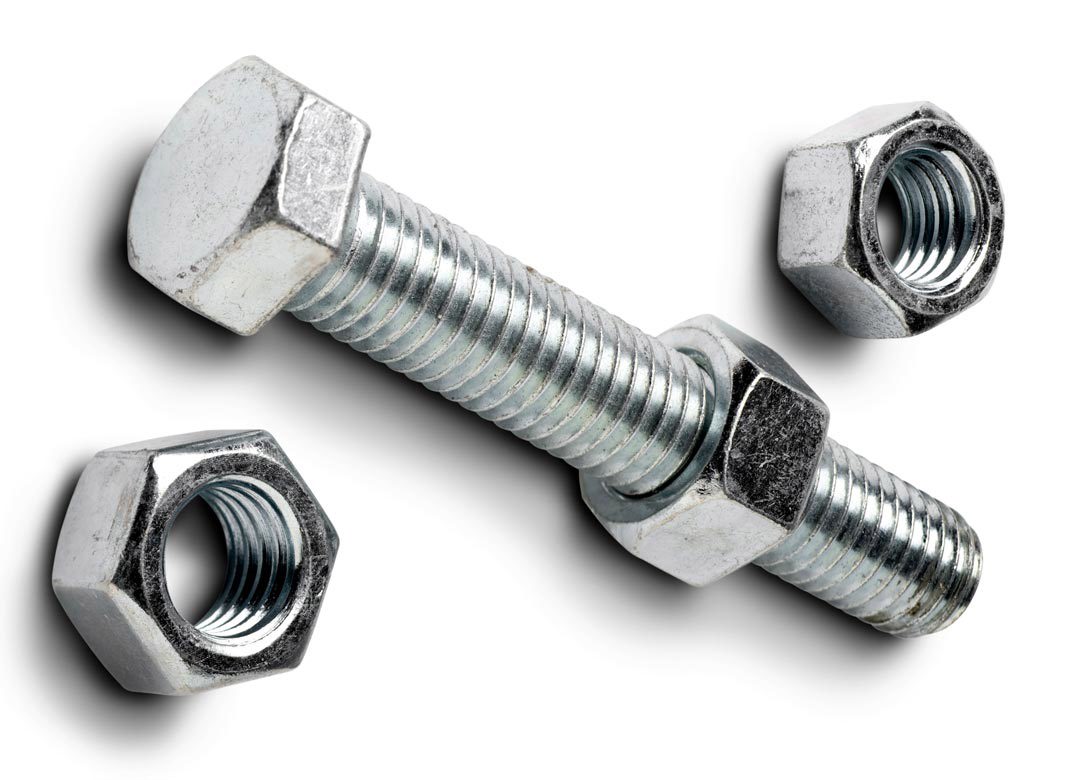
Main Parts of a Hexa Bolt
A hexa bolt has a few basic parts:
1. Hexagonal Head
The head has six flat sides. It is designed to accept a wrench or spanner for tightening and removal.
2. Shank
The shank is the smooth or partially threaded section between the head and the threaded portion.
3. Threads
Threads are the raised spiral sections on the bolt. They engage with the threads inside a nut or tapped hole.
4. Bearing Surface
The underside of the bolt head comes into contact with the material being fastened. This area helps distribute the clamping force.
How Do Hexa Bolts Work?
Hexa bolts work by creating a strong clamping force between two or more components.
For example, when a bolt is passed through two metal plates and a nut is placed on the other side, tightening the nut pulls the bolt and nut together. This creates pressure between the plates and holds them firmly in position.
A washer is often used under the bolt head or nut. It helps distribute the load over a larger surface and can also protect the material from damage.
Types of Hexa Bolts
Hexa bolts are available in several types to suit different applications.
Full Thread Hex Bolts
These bolts have threads running along most or all of the shaft. They are useful when a large amount of threaded engagement is required.
Partial Thread Hex Bolts
These bolts have a smooth shank followed by a threaded section. They are commonly used where the unthreaded portion needs to pass through the connected materials.
Heavy Hex Bolts
Heavy hex bolts have a larger and thicker head compared with standard hex bolts. They are commonly used for structural and heavy-duty applications.
High-Tensile Hex Bolts
High-tensile bolts are manufactured from stronger materials and are designed for applications where high strength and load resistance are required.
Stainless Steel Hex Bolts
Stainless steel hex bolts provide good resistance to corrosion. They are often used in outdoor, marine, food-processing, chemical, and general industrial applications.
Flange Hex Bolts
Flange bolts have a flange beneath the hexagonal head. The flange works somewhat like an integrated washer and helps spread the load over a larger area.
Materials Used for Hexa Bolts
The material of a hexa bolt should be selected according to the working environment and load requirements.
Carbon Steel
Carbon steel is widely used because it offers good strength and is generally economical. It is suitable for many construction, machinery, and general engineering applications.
Alloy Steel
Alloy steel bolts are designed for applications where higher mechanical strength and durability are needed. They are often used in heavy machinery and industrial equipment.
Stainless Steel
Stainless steel is a popular choice where corrosion resistance is important. Common stainless steel grades include 304 and 316.
Brass
Brass bolts offer good corrosion resistance and electrical conductivity. They are used in selected electrical, decorative, and engineering applications.
Common Grades of Hexa Bolts
Bolt grades indicate the strength and mechanical properties of the fastener. Different standards use different grading systems.
Some commonly encountered high-strength bolt grades include:
- Grade 8.8
- Grade 10.9
- Grade 12.9
- ASTM A325
- ASTM A490
- Stainless steel A2
- Stainless steel A4
The correct grade should always be selected according to the engineering requirements of the application.
Common Applications of Hexa Bolts
Hexa bolts are used in many areas because they are strong, practical, and easy to install.
Construction
They are used for joining steel structures, brackets, frames, supports, machinery bases, and other construction components.
Automotive Industry
Hexa bolts are found in vehicles and automotive equipment. They can be used for mounting components, brackets, engine parts, and other assemblies.
Machinery
Industrial machines often contain many bolted connections. Hexa bolts make it possible to assemble, maintain, and repair equipment without permanently joining the components.
Engineering
General engineering applications use hex bolts for equipment frames, structural assemblies, machine parts, and fabricated components.
Manufacturing
Factories use different sizes and grades of hex bolts to assemble machines, conveyors, production equipment, and support structures.
Maintenance and Repair
One of the biggest advantages of bolted connections is that components can be removed when maintenance is required. Hexa bolts are therefore commonly used for repair and maintenance work.
Advantages of Hexa Bolts
Hexa bolts offer several practical benefits.
Easy to Install
A standard wrench or spanner can be used to tighten or loosen the hexagonal head.
Strong Connection
When the correct bolt, nut, and tightening method are used, hex bolts can create a strong and reliable joint.
Available in Many Sizes
They are manufactured in different diameters, lengths, thread forms, and grades.
Easy to Replace
If a bolt becomes damaged or worn, it can normally be removed and replaced without replacing the complete assembly.
Cost-Effective
Standard carbon steel hex bolts are relatively economical, making them suitable for many general-purpose applications.
Wide Material Selection
Users can select carbon steel, alloy steel, stainless steel, brass, and other materials according to their requirements.
Hexa Bolts vs. Hex Screws
Hex bolts and hex screws can look similar, but they are not always used in exactly the same way.
A traditional hex bolt is commonly used with a nut to create a bolted joint. A hex screw is generally designed to be driven into a threaded hole or other prepared material, depending on its design and standard.
The exact terminology can vary between standards, suppliers, and regions, so it is important to check the applicable specification when ordering.
How to Select the Right Hexa Bolt
Choosing the right bolt is important for creating a safe and reliable connection.
Consider the following factors:
Bolt Diameter
The diameter should be suitable for the load and hole size.
Bolt Length
The bolt should be long enough to provide the required thread engagement without having an unnecessarily long portion extending beyond the nut.
Material
Select the material according to strength, corrosion resistance, temperature, and environmental conditions.
Strength Grade
For heavy loads and demanding applications, the correct high-strength grade should be selected based on engineering requirements.
Thread Type
Choose the correct thread standard and pitch for the nut or tapped hole.
Surface Finish
Zinc plating, hot-dip galvanizing, black oxide, and other finishes may be used to improve corrosion resistance or provide a particular surface condition.
Importance of Washers with Hexa Bolts
Washers are commonly used with hex bolts and nuts. A washer provides a larger bearing surface between the fastener and the connected material.
It can help:
- Distribute the clamping load
- Protect the surface
- Reduce the chance of the nut or bolt head sinking into soft material
- Improve the overall reliability of the joint
The type and size of washer should match the bolt and application.
Hexa Bolt Installation
Proper installation is important for getting the best performance from a hex bolt.
First, check that the bolt, nut, and washer are compatible. Clean the contact surfaces and make sure the holes are correctly aligned.
Insert the bolt through the components and install the washer and nut as required. Tighten the connection using the correct wrench or torque tool.
For critical applications, the bolt should be tightened to the specified torque or according to the relevant engineering procedure. Over-tightening can damage the bolt or connected parts, while under-tightening can result in a loose joint.
Where to Buy Hexa Bolts
Hexa bolts should be purchased from a reliable manufacturer, stockist, or supplier that can provide the required size, material, grade, thread, and finish.
For industrial applications, buyers should also check product specifications, inspection requirements, applicable standards, and certificates when necessary.
Before placing an order, provide details such as:
- Bolt type
- Diameter
- Length
- Material
- Grade
- Thread type
- Thread pitch
- Surface finish
- Required quantity
- Applicable standard
Providing complete specifications helps avoid ordering the wrong fastener.
Final Thoughts
Hexa bolts are simple but highly useful fasteners. Their six-sided head makes them easy to tighten with common tools, while their strong threaded connection makes them suitable for everything from general repairs to demanding industrial applications.
