Hand Block Print Fabric – The Timeless Appeal of Artisan Indian Textiles
Author : Anjali Coach | Published On : 31 Mar 2026
Walk into any textile market in Jaipur and the air carries two things: the smell of natural indigo soaking in clay pots, and the rhythmic percussion of wooden blocks being pressed onto cloth. Hand block print fabric is produced in this way — through a process that has remained essentially unchanged for hundreds of years, even as every other aspect of cloth production has been transformed by industrial machinery. The question worth asking is not how this craft has survived, but why it continues to thrive at a moment when cheaper alternatives are everywhere.
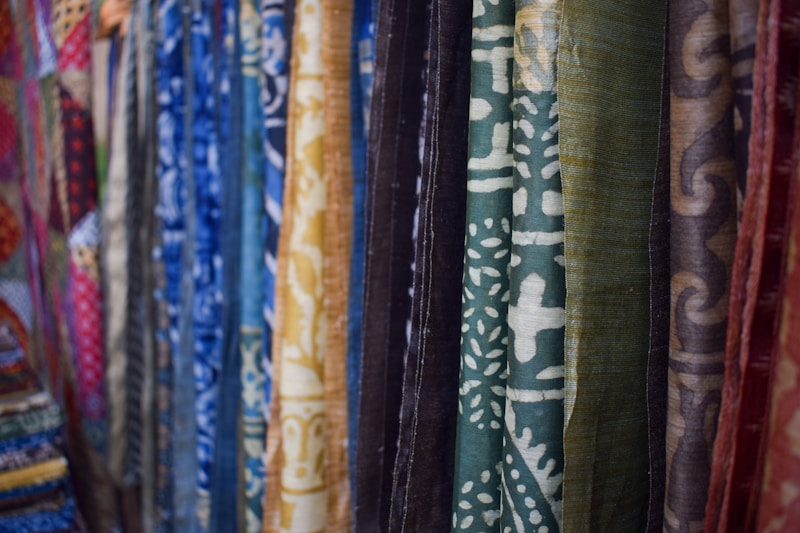
The Ancient Origins of Hand Block Print Fabric
Archaeological evidence suggests that block printing on fabric was practiced in India well before the 12th century. Fragments of resist-printed cotton discovered in archaeological sites indicate that Indian artisans had already developed sophisticated printing and dyeing techniques long before the craft found its way into documented historical records.
Rajasthan, and Jaipur in particular, became one of the principal centres of this craft tradition. The region's cotton-growing history, abundant supply of natural dye plants, and established trade routes created ideal conditions for textile production to flourish. Printing communities settled in towns like Sanganer and Bagru, each developing distinctive stylistic vocabularies: the fine-line florals and white backgrounds of Sanganer became famous across the subcontinent, while Bagru developed its characteristic earthy palette of blacks, reds, and deep indigos.
The blocks themselves — carved from seasoned teak or sheesham wood — were often family heirlooms, passed from one generation of craftsmen to the next. A single well-made block could produce thousands of impressions before needing replacement, and the best examples were treated with the same care as any precision tool.
Why Hand Block Print Fabric Stands Apart
The qualities that distinguish genuine hand block print fabric from its machine-made imitations are visible to any attentive observer. Pattern registration — the way individual block impressions align across a length of cloth — carries the signature of manual work. Each impression is placed by human judgement rather than mechanical precision, and the result has an organic rhythm that machine printing, for all its consistency, cannot reproduce.
Colour behaves differently too. Traditional block printing uses natural dyes fixed with mordants derived from minerals or plant sources. These dyes develop a depth and luminosity over time, shifting gradually with washing and light exposure rather than fading abruptly. The colour of a well-made piece of block print fabric from Jaipur tells the story of its own wearing.
The Making of Hand Block Print Fabric
The production process is longer and more labour-intensive than any mechanical equivalent. The fabric is first washed to remove starch and any residual chemicals from the weaving process. It is then treated with mordants — typically involving a soak in a solution of alum, iron sulphate, or tannin-rich plant material, depending on the colour intended. This mordanting stage is critical: it determines how well the final dye adheres to the fibre, and mistakes at this stage cannot be corrected later.
After mordanting, the fabric is dried and stretched on the printing table. The printer works with a shallow tray of dye paste, loading the block with an even film of colour before pressing it firmly onto the fabric surface. A single metre of fabric with a repeating pattern may require sixty or more individual block impressions.
Where to Find Authentic Hand Block Print Fabric
Demand for hand-printed Indian textiles has grown significantly over the past decade, and with it has come a proliferation of imitation product. Screen-printed fabric sold under block print branding, synthetic dyes marketed as natural, and factory-made garments positioned as artisan work have made it harder for buyers to find the genuine article.
The most reliable approach is to source from producers with transparent connections to Jaipur's printing communities. Shivalaya Jaipur works directly with artisan families who follow the traditional hand-printing process — wooden blocks, natural or azo-free dyes, cotton fabric prepared and printed by hand. When choosing hand block print fabric from Shivalaya Jaipur, buyers receive cloth that carries the mark of genuine craft: the slight registration variations, the colour depth, and the natural drape that only handwork can produce.
Conclusion
Hand block print fabric endures because it offers something that efficiency cannot replicate: the quality of genuine attention. Every impression in a length of block-printed cotton represents a moment of skilled, focused human work. In an era when most fabric is produced at industrial speed by machines, that quality of attention is rare, and it is worth seeking out.
To explore Shivalaya Jaipur's full range of block print fabrics or to enquire about specific requirements, contact us today.
