Grid Modernization: Strategies for Resilient Energy Future
Author : Lori Spatt | Published On : 17 Mar 2026
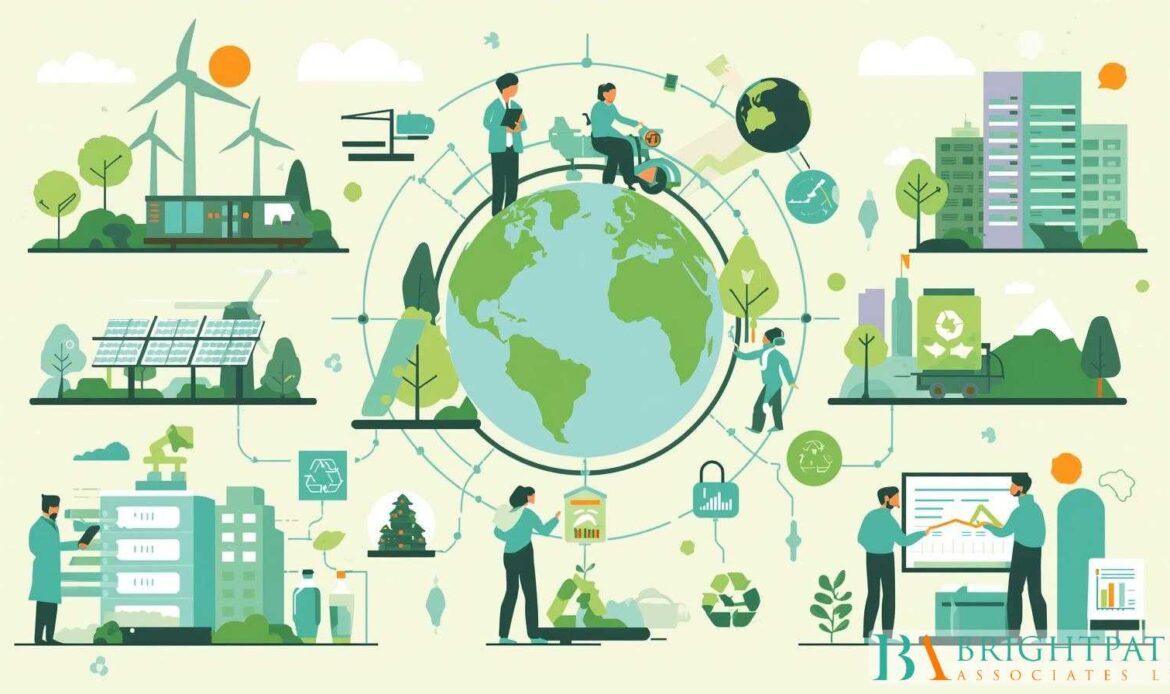
The global energy landscape is undergoing a profound transformation. Aging infrastructure, rising energy demand, climate-related disruptions, and the rapid integration of renewable energy sources
Why Grid Modernization Is Critical Today
Traditional power grids were designed for one-way energy flow—from centralized plants to consumers. But today’s energy ecosystem is far more complex, involving distributed energy resources, electric vehicles, and real-time consumption patterns. Modernizing the grid enables utilities to:
-
Improve reliability and reduce outages
-
Integrate renewable energy sources efficiently
-
Enhance operational efficiency
-
Strengthen resilience against extreme weather and cyber threats
According to the U.S. Department of Energy, modern grids equipped with advanced technologies can significantly reduce outage duration, improve service reliability, and enable faster restoration during disruptions.
At the same time, the scale of transformation is massive—estimates suggest the U.S. may need to invest up to $2 trillion in grid modernization by 2030 to maintain reliability and meet future energy demands.
Key Strategies for Grid Modernization
1. Building a Smart Grid Infrastructure
At the heart of modernization lies the smart grid—a digitally enabled network that uses sensors, automation, and real-time data to optimize energy flow. Smart grids allow utilities to:
-
Detect and isolate faults automatically
-
Restore power faster
-
Optimize energy distribution in real time
These systems create a more responsive and adaptive energy network, capable of handling dynamic demand and supply conditions.
2. Integrating Renewable Energy at Scale
Renewable energy is central to the future of utilities—but it also introduces variability and complexity. Grid modernization supports:
-
Seamless integration of solar, wind, and other renewables
-
Bidirectional energy flow from prosumers
-
Improved load balancing and grid stability
Modern grids make it possible to transition toward cleaner energy without compromising reliability.
3. Leveraging Real-Time Data and Advanced Analytics
Data is the backbone of a modern grid. Advanced metering infrastructure (AMI), IoT sensors, and analytics platforms provide utilities with real-time insights into system performance. This enables:
-
Predictive maintenance
-
Early detection of potential failures
-
Data-driven decision-making
Real-time monitoring transforms utilities from reactive operators into proactive system managers, significantly improving efficiency and resilience.
4. Strengthening Grid Resilience and Security
As grids become more digital, they also become more vulnerable to cyber threats and climate-related disruptions. Modernization strategies must include:
-
Infrastructure hardening against extreme weather
-
Advanced cybersecurity frameworks
-
Automated response systems
Utilities are increasingly investing in security-by-design approaches to protect critical infrastructure while ensuring uninterrupted service.
5. Enabling Decentralization and Distributed Energy Resources
The rise of distributed energy resources (DERs)—such as rooftop solar, battery storage, and microgrids—is reshaping the energy landscape. A modern grid must:
-
Support decentralized energy generation
-
Enable two-way communication between utilities and consumers
-
Facilitate energy storage and load balancing
This shift not only enhances resilience but also empowers consumers to play an active role in energy management.
Leadership: The True Driver of Grid Transformation
Technology enables change—but leadership drives it. Successful grid modernization depends on leaders who can:
-
Think strategically in a rapidly evolving energy landscape
-
Foster innovation across teams
-
Build agile, future-ready organizations
As utilities invest in digital infrastructure, they must also invest in human capital—leaders capable of turning strategy into execution. To explore deeper insights on how grid modernization is shaping the future of energy, you can read the full article here: Strategies for Resilient Energy Future.
Industry Outlook: Utilities at a Turning Point
The utilities industry is entering a defining decade. Key trends shaping the future include:
-
Electrification of transportation and industry
-
Rapid growth of renewable energy
-
Increasing regulatory pressure for decarbonization
-
Rising customer expectations for transparency and control
These forces are accelerating the need for modernization, creating both challenges and opportunities for small to mid-sized enterprises. For a deeper understanding of how these trends are impacting your sector, explore: Utilities industry.
Call to Action
At BrightPath Associates LLC, we partner with forward-thinking utilities organizations to build leadership teams that can drive digital transformation, enhance resilience, and future-proof operations. Whether you’re looking to:
-
Strengthen your grid modernization strategy
-
Navigate industry disruption
-
Or hire leaders who can lead this transformation
