Green Technology: Driving Environmental Stewardship
Author : Ellen Gomes | Published On : 17 Mar 2026
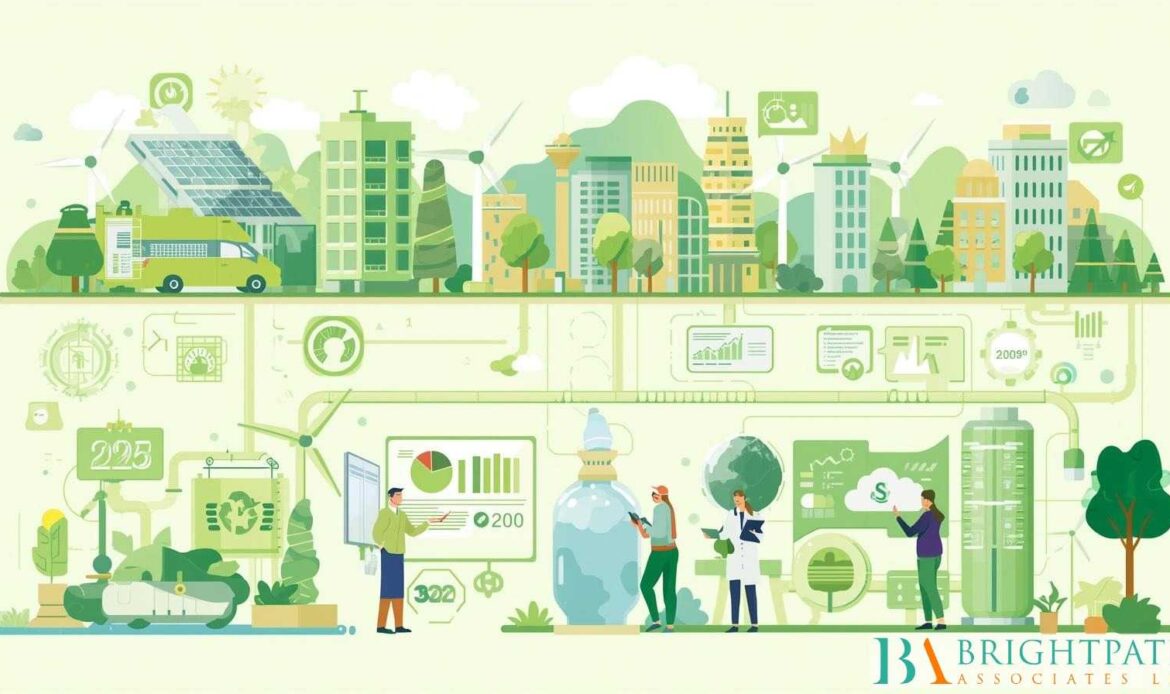
In an era where climate risks, regulatory pressures, and stakeholder expectations are intensifying, environmental stewardship is no longer a corporate checkbox—it is a strategic priority. For leaders in the environmental services sector, the real question is:
Are you leveraging green technology as a compliance tool—or as a competitive advantage?
Organizations that understand this distinction are not only reducing their environmental footprint but also positioning themselves at the forefront of innovation, profitability, and long-term sustainability.
Rise of Green Technology in Environmental Services
Green technology is transforming how industries approach sustainability. From renewable energy systems to advanced waste management and environmental monitoring tools, it is redefining operational standards across sectors. At its core, green technology focuses on:
-
Reducing carbon emissions
-
Enhancing resource efficiency
-
Promoting sustainable production and consumption
These innovations are enabling organizations to minimize environmental impact while maintaining economic growth. For environmental services companies, this transformation is especially critical. As regulatory scrutiny increases and clients demand eco-conscious solutions, adopting green technology is becoming a baseline expectation—not a differentiator.
Key Areas Where Green Technology Is Making an Impact
1. Renewable Energy Integration
The shift toward renewable energy is one of the most visible aspects of green technology. Solar, wind, and biomass solutions are helping organizations reduce dependence on fossil fuels and lower greenhouse gas emissions.
These energy systems are not only environmentally responsible but also increasingly cost-effective, making them attractive for small to mid-sized enterprises aiming to balance sustainability with profitability.
2. Advanced Environmental Monitoring Systems
Modern environmental services rely heavily on data. Advanced monitoring systems powered by AI and IoT are enabling organizations to track emissions, manage waste, and ensure compliance in real time. These systems:
-
Improve operational efficiency
-
Reduce environmental risks
-
Enhance regulatory compliance
As highlighted in industry insights, environmental monitoring is no longer just about compliance—it has become a strategic advantage for organizations seeking long-term sustainability.
3. Sustainable Waste Management and Circular Economy
Waste is no longer viewed as a liability—it is increasingly seen as a resource. Green technology enables:
-
Recycling and reuse of materials
-
Waste-to-energy conversion
-
Reduction of landfill dependency
This shift toward a circular economy not only minimizes environmental impact but also opens new revenue streams for businesses.
4. Energy Efficiency and Smart Infrastructure
Energy-efficient systems—from smart buildings to optimized industrial processes—are significantly reducing energy consumption across industries. Technologies such as:
-
Smart grids
-
Automated energy management systems
-
High-efficiency equipment
Talent Challenge: The Hidden Barrier to Green Transformation
Despite the clear benefits of green technology, many organizations face a critical challenge: They lack the leadership and talent needed to implement it effectively. Green transformation requires professionals who can:
-
Navigate complex regulatory environments
-
Integrate advanced technologies into operations
-
Align sustainability initiatives with business strategy
As industries evolve, the demand for skilled leaders in environmental services is rapidly increasing. Organizations that fail to secure the right talent risk delaying or derailing their sustainability goals.
Why Leadership Matters More Than Technology
Technology alone cannot drive transformation—people do. The success of green initiatives depends on leaders who can:
-
Translate vision into action
-
Foster innovation across teams
-
Build resilient, future-ready organizations
As environmental challenges grow more complex, leadership becomes the defining factor between organizations that adapt—and those that struggle to keep up. To explore how green technology is shaping environmental stewardship in greater detail, you can read the full insight here: Green Technology Driving Environmental Stewardship.
Industry Perspective: Environmental Services at a Turning Point
The environmental services industry is undergoing a fundamental shift. Key trends include:
-
Increased regulatory pressure on emissions and waste
-
Growing demand for sustainable solutions
-
Rapid adoption of digital and green technologies
-
Rising need for specialized talent
These changes are creating both challenges and opportunities for small to mid-sized enterprises. Organizations that embrace innovation will thrive. Those that resist change may find it increasingly difficult to compete. If you’re navigating these changes, gaining deeper industry-specific insights can help you stay ahead: Environmental Services industry.
Final Thoughts: Turning Sustainability into Strategy
Environmental stewardship is no longer just about reducing harm—it is about creating value. Organizations that integrate green technology into their core strategy are:
-
More resilient
-
More innovative
-
Better positioned for long-term success
The transition may be complex, but the opportunity is immense.
