Green Chemistry and Its Impact on Mid-Sized Manufacturers
Author : Jimmy Patel | Published On : 06 Mar 2026
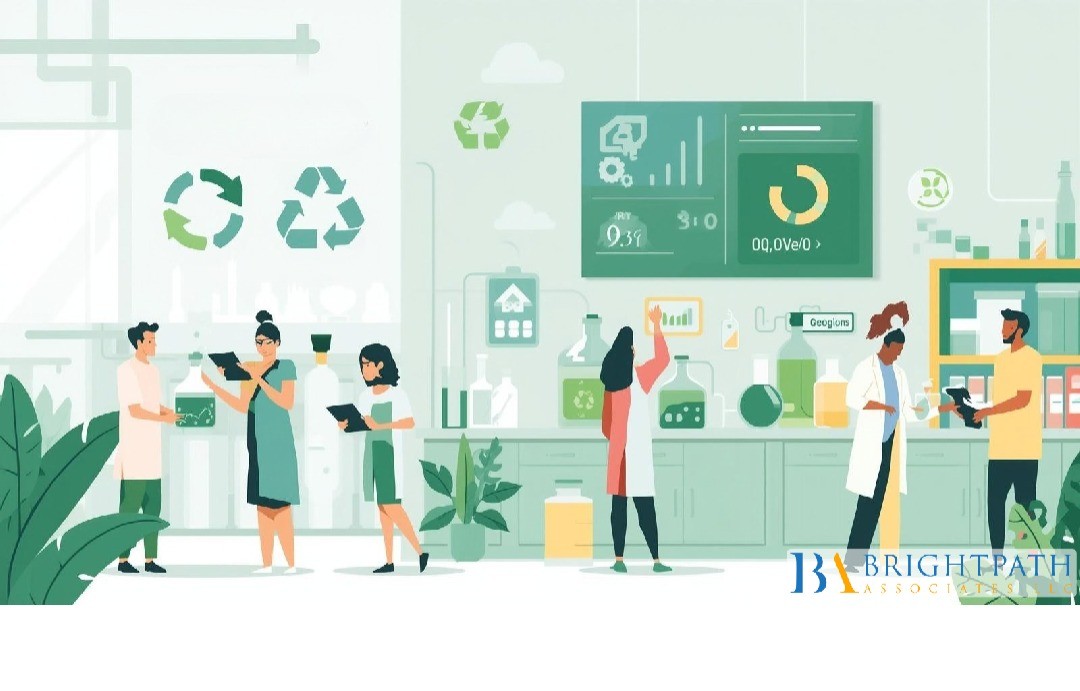
Sustainability is no longer a buzzword in the chemical sector—it has become a strategic imperative. Across global markets, manufacturers are under increasing pressure to reduce environmental impact while maintaining profitability and operational efficiency. For many small to mid-sized chemical companies, the answer lies in adopting the principles of green chemistry, a transformative approach to designing safer and more efficient chemical processes.
Green chemistry focuses on developing chemical products and processes that reduce or eliminate hazardous substances, minimize waste, and improve resource efficiency. These principles are reshaping the modern Chemical Industry, creating new opportunities for mid-sized manufacturers to innovate, improve compliance, and strengthen competitive advantage.
Understanding the Foundations of Green Chemistry
At its core, green chemistry is about designing chemical processes that prevent pollution before it occurs. Instead of treating waste after production, the goal is to eliminate hazardous substances from the start. This approach improves safety for workers, reduces environmental damage, and creates more sustainable manufacturing practices. For chemical manufacturers, this means:
-
Designing reactions that produce fewer byproducts
-
Using renewable or less toxic raw materials
-
Reducing energy consumption during chemical processes
-
Minimizing waste treatment and disposal requirements
The results are cleaner production systems that benefit both business performance and environmental responsibility.
Why Green Chemistry Matters for Mid-Sized Manufacturers
Large multinational chemical corporations often have the resources to invest heavily in sustainability programs. However, mid-sized manufacturers face unique challenges: limited capital, regulatory complexity, and pressure to remain competitive in evolving markets.
Green chemistry offers a practical pathway to overcome these challenges. By improving process efficiency and reducing resource consumption, companies can lower operational costs while meeting sustainability expectations. Key benefits include:
-
Lower Production Costs: Green chemistry improves reaction efficiency and reduces waste generation, helping companies cut raw material expenses and disposal costs.
-
Improved Operational Efficiency: Streamlined production processes often require fewer steps, saving both time and energy.
-
Enhanced Workplace Safety: Using less hazardous chemicals reduces the risk of workplace accidents and improves employee safety conditions.
-
Stronger Regulatory Compliance: Sustainable processes help manufacturers meet environmental regulations more easily and avoid costly penalties.
Innovation Driving the Green Chemistry Movement
Technological innovation plays a major role in accelerating the adoption of green chemistry practices. Advances in process engineering, catalysts, and biotechnology are enabling manufacturers to redesign traditional chemical processes in more sustainable ways. Several innovations are shaping the future of sustainable chemical production:
-
Bio-Based Feedstocks: Instead of relying solely on petroleum-derived inputs, manufacturers are increasingly using renewable raw materials such as plant-based biomass or recycled materials.
-
Advanced Catalysts: Modern catalytic systems allow reactions to occur more efficiently, reducing energy consumption and minimizing waste.
-
Process Intensification: Emerging technologies such as microwave-assisted synthesis, mechanochemistry, and continuous flow manufacturing enable faster, cleaner chemical reactions with fewer byproducts.
Talent Challenge Behind Sustainable Transformation
While the technical benefits of green chemistry are clear, implementation requires more than new technologies—it requires the right people. Chemical manufacturers must recruit professionals who understand both traditional chemical engineering principles and modern sustainability practices. These professionals may include:
-
Process engineers specializing in sustainable manufacturing
-
Environmental compliance specialists
-
Research scientists developing green formulations
-
Operations leaders capable of managing sustainable production systems
For many mid-sized manufacturers, building these teams is one of the biggest challenges in transitioning toward greener operations. Organizations that invest in the right talent are far better positioned to successfully implement sustainable innovations and maintain long-term competitiveness.
Strategic Leadership in the Era of Sustainable Manufacturing
For C-suite leaders and business owners in the chemical industry, the shift toward green chemistry is more than a technical trend—it represents a strategic transformation. Successful organizations are taking a proactive approach by:
-
Investing in research and development for sustainable processes
-
Collaborating with technology partners and research institutions
-
Building internal teams focused on environmental innovation
-
Aligning hiring strategies with sustainability goals
Companies that embrace these strategies are better prepared to navigate tightening environmental regulations, shifting customer expectations, and growing sustainability demands from global supply chains.
Looking Ahead: The Future of Green Chemistry
The momentum behind green chemistry continues to grow as governments, industries, and consumers push for more sustainable solutions. Advances in artificial intelligence, data analytics, and automation are also accelerating innovation in chemical process optimization.
In the coming years, mid-sized manufacturers that adopt green chemistry principles early will likely gain a significant competitive edge. These companies will benefit from reduced operational costs, improved regulatory compliance, stronger brand positioning, and increased resilience in evolving markets.
Final Thoughts
Green chemistry represents a powerful opportunity for mid-sized manufacturers to transform their operations while contributing to a more sustainable industrial future. By combining innovative technologies with forward-thinking leadership and specialized talent, companies can unlock both environmental and economic value.v
