Golden Triangle Tour with Ranthambore: A Journey Through Heritage and Wildlife
Author : Emperor Holidays | Published On : 10 Oct 2026
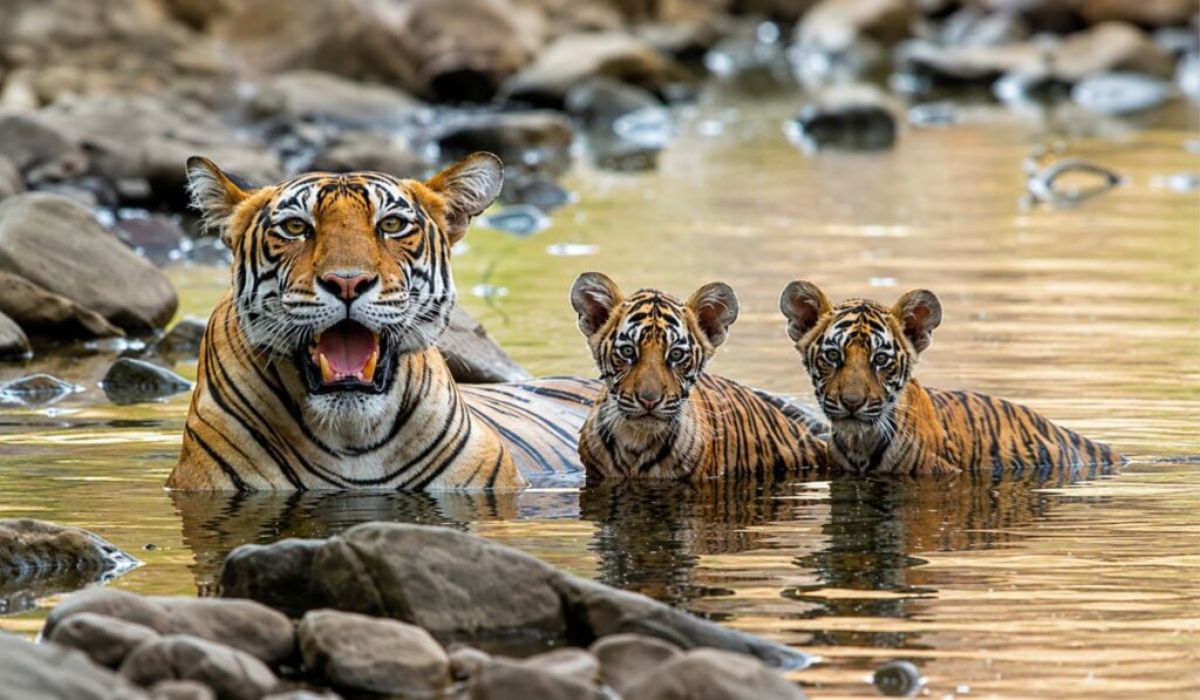
India offers an extraordinary mix of historic architecture, colourful traditions and natural beauty. A Golden Triangle Tour with Ranthambore brings these experiences together, connecting Delhi, Agra and Jaipur with the wilderness of Ranthambore National Park. From exploring Mughal monuments to searching for Bengal tigers on a guided safari, this journey offers more variety than a traditional city sightseeing holiday. Travellers planning an extended cultural escape can explore this Golden Triangle Tour with Ranthambore to discover how heritage sightseeing and wildlife experiences fit into one itinerary.
Why Choose a Golden Triangle Tour with Ranthambore?
The classic Golden Triangle circuit introduces visitors to three of North India's most celebrated destinations. Delhi showcases historic landmarks and bustling markets, Agra is famous for Mughal architecture, and Jaipur reveals Rajasthan's royal heritage.
Adding Ranthambore introduces a different side of India. Instead of spending every day among monuments and busy city streets, travellers can explore forest landscapes and experience a wildlife safari.
This combination suits international visitors, couples, families and photographers looking for a holiday that balances culture, history and nature. It also provides an opportunity to experience different landscapes and regional traditions within one carefully planned India tour package.
Delhi: Discover India's Historic Capital
Delhi is a natural starting point for a Golden Triangle holiday. The capital brings together centuries of history, impressive architecture and everyday urban life.
Begin with Old Delhi, where Jama Masjid and the lively lanes of Chandni Chowk offer a glimpse into the city's historic character. A traditional rickshaw ride through the market streets can add another dimension to the experience.
New Delhi presents a different atmosphere, with landmarks such as India Gate, Qutub Minar and Humayun's Tomb. Visitors can explore these attractions with a local guide to understand their historical significance.
Allowing sufficient time in Delhi helps travellers enjoy the capital without rushing before continuing towards Agra.
Agra: Experience the Beauty of the Taj Mahal
Agra is an essential stop on any Golden Triangle itinerary. Its most famous landmark, the Taj Mahal, is admired for its white marble architecture, intricate decorative details and historical connection to Mughal emperor Shah Jahan and Mumtaz Mahal.
A sunrise visit offers changing light across the marble façade, making it particularly appealing to photographers. Travellers should remember that the Taj Mahal is closed to visitors on Fridays, so the itinerary needs to account for its weekly closing day.
Beyond the Taj Mahal, explore Agra Fort, a UNESCO World Heritage Site that reflects the power and architectural achievements of the Mughal Empire. Depending on available time, visitors can also discover the Tomb of Itimad-ud-Daulah or enjoy views of the Taj Mahal from across the Yamuna River.
Agra provides the historical foundation of the journey before the route continues towards Rajasthan.
Ranthambore National Park: Add Wildlife to Your Indian Holiday
One of the biggest attractions of a Golden Triangle wildlife tour is the opportunity to visit Ranthambore National Park in Rajasthan. Known for its Bengal tiger population, the park is also home to a variety of other wildlife and bird species.
A guided jeep or canter safari takes visitors through designated areas of the reserve, where the landscape can include dry deciduous forest, lakes, rocky terrain and historic ruins.
Wildlife sightings depend on several factors, including animal movements, weather, season and safari zone. A tiger sighting is never guaranteed, so travellers should appreciate the wider experience of observing nature rather than planning the entire visit around one animal.
Allowing enough time for more than one safari can provide additional opportunities to explore the reserve. Follow park rules, listen to your naturalist and maintain a respectful distance from wildlife.
For travellers interested in nature photography, conservation and India's diverse ecosystems, Ranthambore offers a memorable contrast to the architectural highlights of Delhi and Agra.
Jaipur: Explore Rajasthan's Royal Heritage
After the wildlife experience, Jaipur introduces travellers to the colourful heritage of Rajasthan. Often called the Pink City, Jaipur is known for its grand forts, historic palaces, traditional crafts and vibrant markets.
Amber Fort is a major highlight, with its courtyards, decorative halls and views across the surrounding hills. In the city, Hawa Mahal attracts attention with its distinctive façade, while City Palace provides insight into Jaipur's royal history.
Jantar Mantar, a historic astronomical observatory, is another worthwhile stop. Visitors can also browse local markets for block-printed textiles, jewellery, blue pottery and handicrafts.
Combining Jaipur with Ranthambore allows travellers to experience two contrasting sides of Rajasthan: its cultural traditions and its natural landscapes.
How Many Days Do You Need for This Tour?
The right duration depends on how much sightseeing you want to include and whether wildlife is a priority.
A wildlife-focused Golden Triangle itinerary generally needs more time than a standard Delhi, Agra and Jaipur holiday. Travellers should account for road transfers, hotel check-ins, safari timings and the possibility of early-morning departures.
If you prefer to explore the three historic cities without adding a national park, consider the Golden Triangle Tour 6 Days. This option follows the Delhi–Agra–Jaipur route and is suitable for visitors who want a dedicated cultural holiday.
If wildlife is a key part of your travel plans, the Ranthambore itinerary offers a broader experience. Compare the routes, included activities and total travel time before choosing the most suitable package.
Best Time to Plan Your Golden Triangle and Ranthambore Holiday
October to March is generally a comfortable period for exploring Delhi, Agra and Jaipur, with cooler weather often making outdoor sightseeing more enjoyable. Winter mornings can bring fog, however, which may affect road journeys and visibility.
Ranthambore safari availability and conditions vary by season, and different park zones may follow different opening schedules. Some areas can close seasonally, so confirm current safari dates and access before booking.
Summer can bring hotter conditions but may offer a different wildlife-viewing experience. Monsoon conditions also affect travel comfort and park operations. Check the latest official park guidance and plan your itinerary around confirmed safari availability rather than assuming every zone will be accessible.
Practical Tips for a Smooth Journey
-
Book safaris early: Safari permits and preferred time slots may be limited.
-
Plan realistic travel days: Road journeys between destinations can take longer because of traffic and stops.
-
Carry suitable clothing: Comfortable walking shoes, sun protection and weather-appropriate layers are useful.
-
Keep your itinerary flexible: Allow extra time for transfers and unexpected delays.
-
Check inclusions carefully: Confirm accommodation, private transport, guides, monument tickets and safari fees before booking.
-
Respect wildlife: Follow your guide's instructions and avoid disturbing animals during a safari.
Plan Your Golden Triangle Tour with Ranthambore
A Golden Triangle Tour with Ranthambore combines India's celebrated monuments with an opportunity to experience its wildlife. From Delhi's historic streets and the Taj Mahal in Agra to Jaipur's royal architecture and Ranthambore's forest landscapes, every destination brings something different to the journey.
Choose the itinerary that matches your available time, interests and preferred pace. Whether you want a classic six-day cultural holiday or a longer adventure that includes tiger safari experiences, thoughtful planning can help you make the most of your time in northern India.
