Ghost Mannequin vs. Flat Lay: Which Converts Better in Fashion eCommerce?
Author : Samran Hossain | Published On : 03 Mar 2026
In the hyper-competitive world of 2026 fashion eCommerce, your product imagery is your silent salesperson. When a customer can’t touch the fabric or try on the garment, they rely entirely on visual cues to make a purchase decision.
Choosing the wrong presentation style doesn’t just make your site look amateur—it directly impacts your bounce rates, cart abandonments, and return percentages.
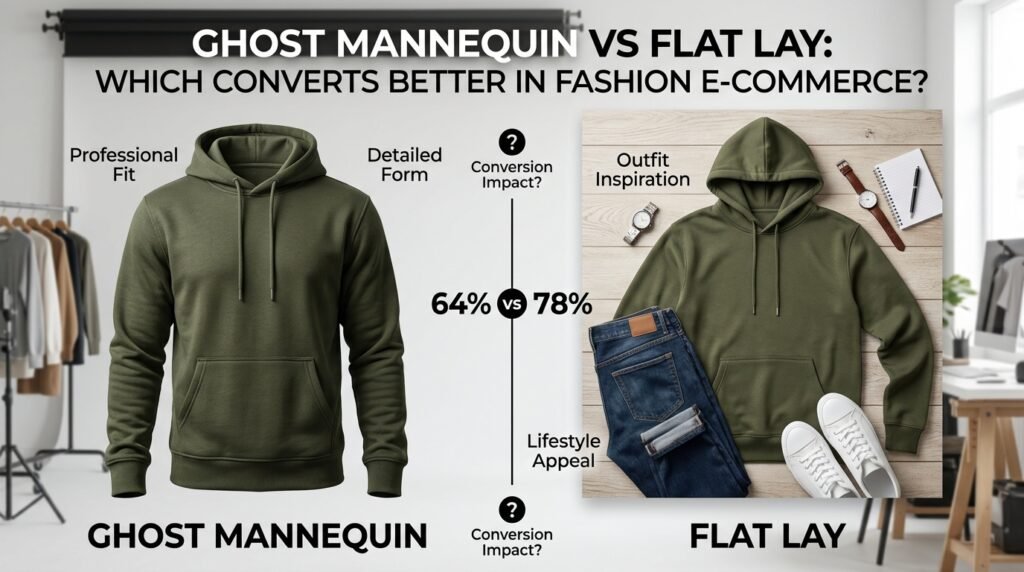
Why This Question Matters More Than You Think
Semantic SEO and modern conversion rate optimization (CRO) prioritize “visual information density.” If your imagery doesn’t answer a customer’s subconscious questions about fit, drape, and quality within 2.5 seconds, you lose the sale.
- The Trust Gap: Online shoppers are skeptical. High-quality imagery bridges the gap between a “digital file” and a “tangible product.”
- The Comparison War: On marketplaces like Amazon or Zalando, your thumbnail sits directly next to a competitor. The style you choose dictates your Click-Through Rate (CTR).
What Is Ghost Mannequin Photography?
Also known as the 3D Hollow Man effect, this is the gold standard for professional apparel presentation.
How the Invisible Mannequin Technique Works
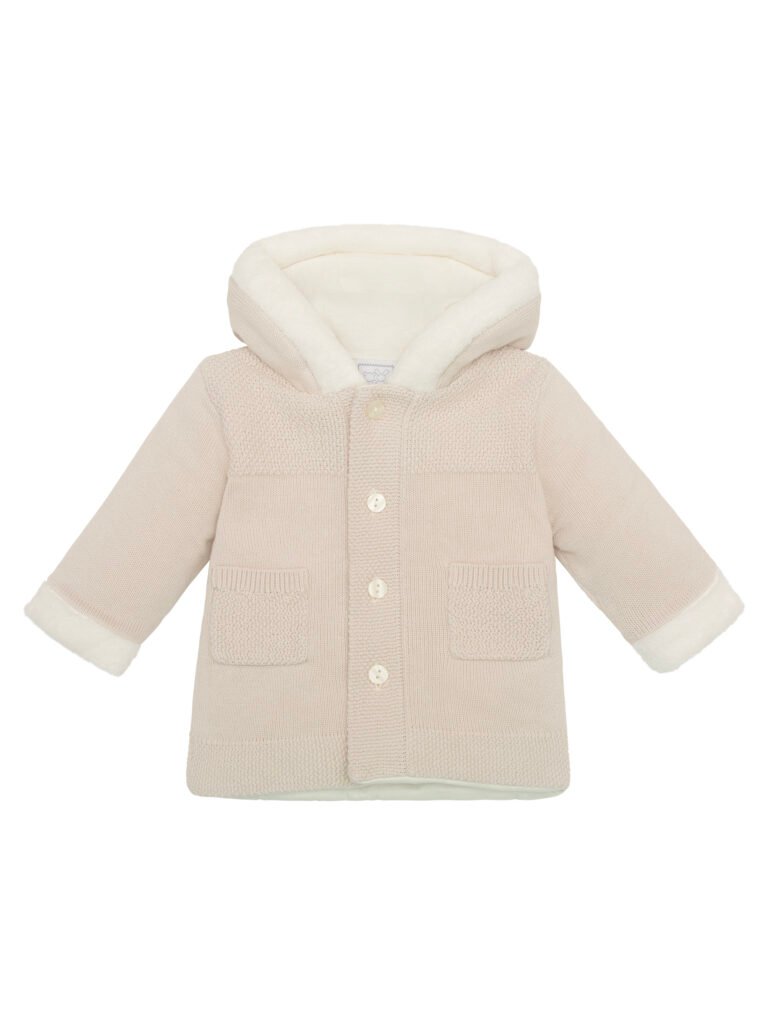
It involves photographing a garment on a physical mannequin and then using photo neck joint services to “remove” the mannequin in post-production. Editors merge multiple views to show the inside back of the garment, creating a 3D, wearable look.
When Brands Typically Use It
- For e-commerce ghost mannequin services on official brand websites.
- When showing the internal lining, brand tags, or specific tailoring.
- To maintain a consistent, “floating” look across a massive catalog.
What Is Flat Lay Photography?
Flat lay is a “bird’s-eye” approach where the garment is laid flat on a surface and shot from a 90-degree angle.
The Top-Down Styling Approach
This style focuses on the “vibe.” It allows for creative propping—adding shoes, sunglasses, or accessories—to tell a lifestyle story. It’s less about technical fit and more about aesthetic inspiration.
When Flat Lay Performs Best
- Social Media: Instagram and Pinterest users prefer the “organic” feel of a flat lay.
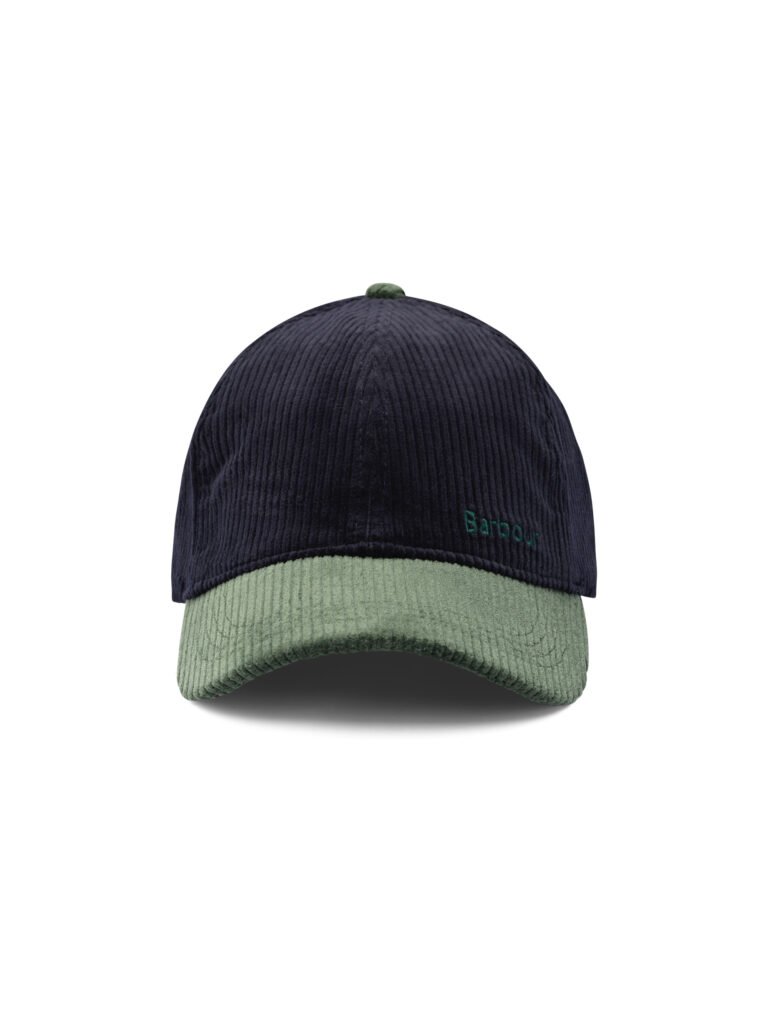
- Basics: Simple T-shirts, socks, and accessories that don’t have complex 3D shapes.
The Core Difference: 3D Perception vs. 2D Presentation
The fundamental difference is Spatial Awareness.
- Ghost Mannequin: Provides a 3D ghost mannequin evolution that mimics the human form, showing the curve of a waist or the taper of a sleeve.
- Flat Lay: Remains strictly 2D, focusing on the graphic elements and color of the design.
The Psychology Behind Conversion
1. Fit Visualization & Buyer Confidence
Customers convert when they can “see” themselves in the clothes. Ghost mannequin services reduce the cognitive load required to imagine how a piece of clothing hangs, significantly boosting confidence.
2. Perceived Brand Value & Price Anchoring
High-end brands lean toward high-end fashion retouching services. A 3D depth suggests a more tailored, premium product, allowing you to anchor a higher price point.
3. Thumbnail Impact in a Mobile-First World
On a smartphone screen, the clean, defined silhouette of a ghost mannequin image stands out more clearly than a busy flat lay, leading to higher CTR.
Where Ghost Mannequin Wins
- Structured Apparel: Blazers, suits, and heavy denim require a 3D form to look “alive.”
- Premium Positioning: If you are charging $100+ for a shirt, customers expect ghost mannequin photo editing.
- Detail-Focused Garments: When the value lies in the stitching or internal construction.
Where Flat Lay Wins
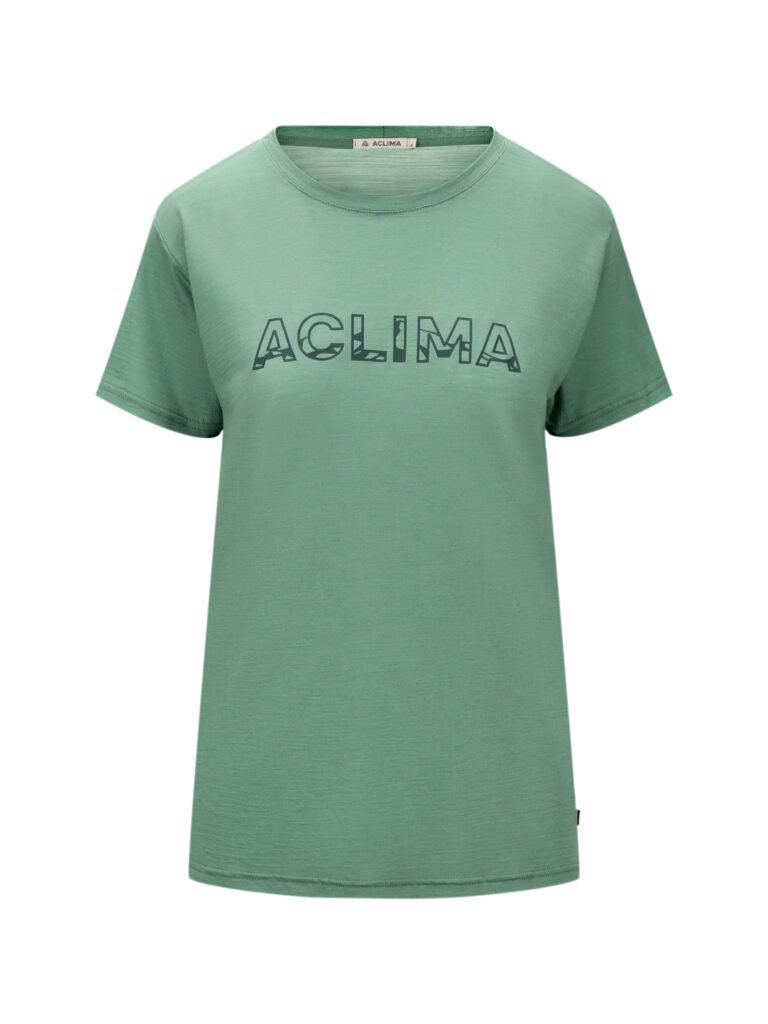
- Graphic-Driven Designs: T-shirts with large prints look better flat as there is no body curvature to distort the art.
- Trend & Drop Culture: Streetwear brands use flat lays for a “raw” aesthetic.
- Social Commerce: More “shareable” and less like a traditional ad.
The Price Point Factor
| Category | Best Approach | Why? |
| Budget/Fast Fashion | Flat Lay | Cost-effective for high-volume, low-margin items. |
| Mid-Range Apparel | Hybrid | Ghost Mannequin for main photos; Flat Lay for social. |
| Premium Collections | Ghost Mannequin | High-end editorial retouching justifies the price. |
Return Rate Considerations
The Reality Gap: Flat lays can be deceptive. A shirt may look wide and boxy flat but fit slim on a body. This gap leads to returns. By using an invisible mannequin service, you provide a realistic representation of volume, which can reduce fit-related returns by up to 30%.
The Execution Factor (Where Most Brands Fail)
Even the best technique fails without quality high-end photo retouching. Common pitfalls include:
- Lighting Inconsistency: Shadows that don’t match across the site.
- Poor Retouching: Visible seams where the neck was joined.
- Color Inaccuracy: The biggest driver of “Product Not As Described” returns.
The Hybrid Strategy: The 2026 Smartest Approach
The most successful brands at Picvisual don’t choose just one:
- Main Image: Ghost Mannequin (for clarity).
- Secondary Images: Flat lay (for styling) or converting mannequins into realistic fashion models.
- Marketing: High-end fashion photo retouching for lifestyle campaign shots.
Marketplace Considerations
For Amazon or large retail platforms, Ghost Mannequin is almost mandatory.
- White Background Requirements: Easiest to achieve with ghost mannequin.
- Thumbnail Competition: 3D depth creates a “pop” that 2D flat images lack in search results.
Cost vs. ROI Comparison
While flat lay is cheaper to shoot, the ROI of ghost mannequin photo editing is higher because it increases conversion and lowers the massive overhead of processed returns.
So… Which Converts Better?
For Product Pages, Ghost Mannequin is the undisputed winner for conversion. For Top-of-Funnel Ads, Flat Lay often wins for engagement and clickability.
Final Takeaway
Don’t let poor imagery be the bottleneck of your growth. Whether you need a hollow man effect or you want to convert mannequins into AI models, professional post-production is the fastest way to scale.
