Gas Turbine Maintenance: Supporting Reliable Industrial Performance
Author : Advanced Turbine Support | Published On : 21 Oct 2026
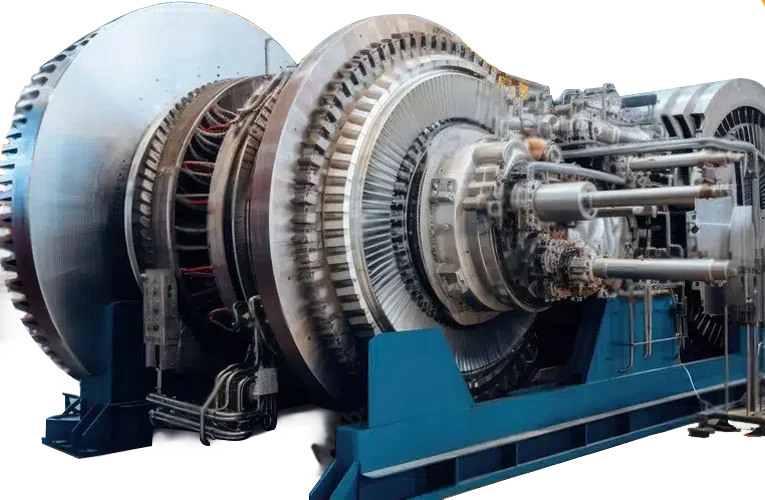
Gas turbines are essential to power generation and many industrial operations, where equipment reliability directly affects productivity and operational planning. These machines operate under demanding conditions, including high temperatures, rotational forces, and continuous mechanical stress. Over time, components can experience wear, surface damage, deposits, and other issues that require professional inspection and maintenance. A proactive maintenance strategy helps operators identify concerns early and make informed decisions about repairs.
Working with a qualified gas turbine service provider can help industrial operators assess equipment condition, coordinate maintenance activities, and address specific turbine issues. From borescope inspections to precision component restoration and engineering support, appropriate services can help teams plan outages more effectively and maintain equipment in accordance with applicable technical requirements.
🔍 Why Regular Gas Turbine Inspections Matter
Routine inspections provide valuable information about the condition of turbine components and help maintenance teams identify developing problems before they become more serious. Even relatively small defects can affect equipment performance if they remain undetected.
Inspection requirements vary according to turbine design, operating hours, load conditions, manufacturer recommendations, and previous maintenance findings. A well-planned inspection schedule considers these factors rather than relying on a single timetable for every machine.
Documenting inspection results also helps establish a useful maintenance history. By comparing findings over time, operators can better understand component deterioration, prioritize necessary work, and plan suitable maintenance windows.
🛠️ Borescope Inspections for Internal Turbine Assessment
Borescope inspections allow technicians to examine internal turbine components without completely dismantling the equipment. Using specialized optical tools, inspectors can view hard-to-reach areas and identify visible signs of cracking, erosion, deposits, or foreign object damage.
These inspections are useful during planned outages, troubleshooting, and condition assessments. Detailed images help maintenance teams understand what they are observing and decide whether further testing or repairs are necessary.
Advanced Turbine Support provides borescope inspection services for gas turbines, steam turbines, and related equipment. Its inspection approach helps operators gather information about component condition while limiting unnecessary disassembly.
🔬 Non-Destructive Evaluation for Defect Detection
Non-destructive evaluation (NDE) helps identify certain defects without damaging the components being examined. Different testing methods are suited to different materials and defect types.
Common techniques include:
-
Liquid penetrant testing: Helps reveal surface-breaking defects in suitable materials.
-
Magnetic particle testing: Identifies surface and near-surface flaws in appropriate ferromagnetic materials.
-
Ultrasonic testing: Uses sound waves to investigate material discontinuities.
-
Eddy current testing: Helps detect certain flaws in electrically conductive materials.
Selecting the right method depends on the component, suspected defect, and applicable inspection criteria. When visual inspection alone is insufficient, additional testing can provide important information for maintenance decisions.
Advanced Turbine Support offers NDE services to support turbine condition assessments and repair evaluations.
⚙️ In-Situ Blending and Turbine Component Repairs
Turbine blades and compressor components can develop localized surface damage during operation. When the damage meets applicable engineering requirements, precision blending may restore the affected profile without replacing the entire component.
In-situ blending can reduce disassembly requirements for suitable repairs. However, the repair method must be selected according to the defect's location, severity, component specifications, and relevant technical guidance.
Technicians assess the damage, carry out controlled material removal where permitted, and verify the results using appropriate inspection methods. Not every defect is suitable for blending, so a technical evaluation should come before repair work.
Advanced Turbine Support lists in-situ blending and blend, polish, and peen among its turbine support capabilities.
🔥 Hot Gas Path and Major Inspections
Hot gas path components operate under demanding thermal conditions and can experience oxidation, coating deterioration, cracking, and other forms of degradation. Inspections help operators evaluate their condition and determine whether maintenance is required.
Major inspections involve a broader assessment of turbine components, which may include rotors, shafts, blades, vanes, and other critical hardware. The exact scope depends on the equipment model, operating history, and inspection requirements.
Careful preparation helps maintenance teams establish priorities before an outage begins. Inspection findings can also support repair planning and reduce the likelihood of unexpected work being discovered late in the maintenance process.
📋 Engineering Support and Outage Planning
Successful turbine maintenance requires coordination between inspection teams, engineers, site personnel, and repair specialists. Clear planning helps ensure that findings are reviewed, responsibilities are understood, and essential work is scheduled appropriately.
Engineering support may include reviewing equipment history, evaluating inspection results, assessing repair options, and helping manage outage activities. Thorough documentation also gives operators a useful record for future maintenance decisions.
Planning ahead is particularly important when repairs require specialized resources or additional testing. A well-defined scope and clear communication can help teams manage time, cost, and operational priorities more effectively.
🏭 Turbine Support Across Industrial Applications
Gas and steam turbines support power generation, refining, petrochemical processing, and other industrial operations. Each application has different operating conditions, maintenance demands, and equipment requirements.
Advanced Turbine Support provides inspection, NDE, engineering, and repair-related services for turbine and generator equipment across multiple industries. Matching the inspection approach to the equipment and operating environment helps maintenance teams focus on relevant risks.
✅ Plan Your Next Turbine Inspection
Reliable turbine operation depends on understanding equipment condition, identifying defects, and making informed maintenance decisions. Regular inspections and appropriate repair planning can help operators manage risks and prepare for scheduled outages.
Looking for turbine inspection or engineering support? Contact Advanced Turbine Support to discuss your equipment, inspection scope, and maintenance requirements. A focused assessment can help your team determine suitable next steps for maintaining turbine reliability and supporting continued operations.
