Gallstone Pain: Causes, Symptoms, Treatment & Emergency Care Guide
Author : Sophia Reed | Published On : 19 Jun 2026
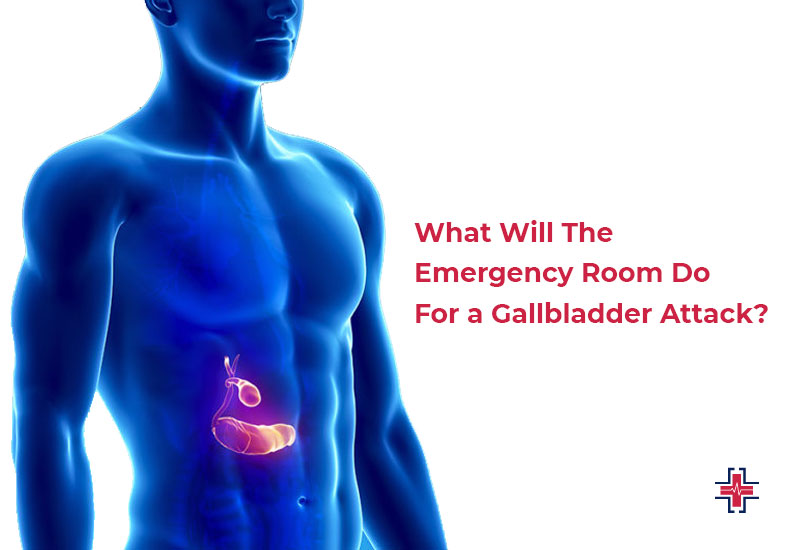
Gallstones are a common health problem that affects millions of people worldwide. While some people may never experience symptoms, others can suffer from severe gallstone pain that interferes with daily life and may require emergency medical attention. Understanding the causes, warning signs, and treatment options can help patients seek care before complications develop.
At ER of Mesquite, our emergency medical team is prepared to evaluate and treat patients experiencing severe abdominal pain and other symptoms related to gallstones.
What Are Gallstones?
Gallstones are hard deposits that form inside the gallbladder, a small organ located beneath the liver. The gallbladder stores bile, a digestive fluid that helps break down fats.
Gallstones can range in size from tiny grains of sand to large stones several centimeters wide. Some people develop one stone, while others may have multiple stones.
Types of Gallstones
Cholesterol Gallstones
These are the most common type and form when bile contains too much cholesterol.
Pigment Gallstones
These develop when bile contains excessive bilirubin, a substance produced during the breakdown of red blood cells.
Why Do Gallstones Form?
Gallstones can develop for several reasons, including:
- Excess cholesterol in bile
- High bilirubin levels
- Incomplete emptying of the gallbladder
- Obesity
- Rapid weight loss
- Diabetes
- Family history of gallstones
- Pregnancy
- High-fat diets
- Increasing age
Several factors can increase the likelihood of developing gallstones, especially in adults over the age of 40.
What Does Gallstone Pain Feel Like?
Gallstone pain is often described as sudden, intense, and sharp. It usually occurs when a gallstone blocks a bile duct, preventing normal bile flow.
Common Characteristics
- Pain in the upper right abdomen
- Pain in the center of the stomach
- Discomfort after eating fatty foods
- Pain that comes and goes
- Sudden severe attacks
- Pain lasting from minutes to several hours
Some patients describe the sensation as a squeezing or cramping pain that becomes difficult to ignore.
Common Symptoms of Gallstones
Not all gallstones cause symptoms. However, when symptoms occur, they can include:
Digestive Symptoms
- Nausea
- Vomiting
- Bloating
- Indigestion
- Gas
- Feeling full quickly
Pain Symptoms
- Upper abdominal pain
- Back pain between the shoulder blades
- Right shoulder pain
- Chest discomfort
Severe Symptoms
- Fever
- Chills
- Yellowing of the skin
- Yellow eyes
- Dark urine
- Pale-colored stools
These severe symptoms may indicate a serious complication requiring emergency medical treatment.
What Triggers a Gallbladder Attack?
A gallbladder attack often occurs after eating meals high in fat.
Common Triggers
- Fried foods
- Fast food
- Heavy meals
- Fatty meats
- Full-fat dairy products
- Processed foods
When the gallbladder contracts to release bile, a stone may block the duct and cause sudden pain.
How Are Gallstones Diagnosed?
Accurate diagnosis is important because many digestive conditions can cause similar symptoms.
At ER of Mesquite, physicians may use several diagnostic tools.
Physical Examination
Doctors evaluate:
- Location of pain
- Severity of symptoms
- Medical history
- Risk factors
Blood Tests
Blood tests help identify:
- Infection
- Inflammation
- Liver problems
- Bile duct obstruction
Imaging Tests
Ultrasound
Ultrasound is the most common test used to detect gallstones.
CT Scan
CT scans help identify complications and other abdominal conditions.
Additional Imaging
Specialized imaging may be used when doctors suspect bile duct blockage.
When Is Gallstone Pain an Emergency?
Some gallbladder attacks resolve on their own. However, certain symptoms require immediate emergency care.
Seek Emergency Treatment If You Have:
- Severe abdominal pain
- Pain lasting more than several hours
- Fever with abdominal pain
- Jaundice
- Persistent vomiting
- Difficulty breathing
- Confusion or weakness
These symptoms could indicate serious complications such as infection or blocked bile ducts.
Complications of Untreated Gallstones
Ignoring gallstone symptoms can lead to severe health problems.
Acute Cholecystitis
This condition occurs when the gallbladder becomes inflamed.
Symptoms include:
- Severe pain
- Fever
- Nausea
- Vomiting
Bile Duct Blockage
A stone can become trapped in a bile duct, preventing bile from flowing properly.
Pancreatitis
Gallstones can block the pancreatic duct and cause inflammation of the pancreas.
Infection
Untreated blockages may lead to dangerous infections that require immediate treatment.
Treatment Options for Gallstones
Treatment depends on the severity of symptoms and the patient's overall health.
Pain Management
Doctors may prescribe medications to control pain during an attack.
Intravenous Fluids
IV fluids help maintain hydration, especially if vomiting is present.
Antibiotics
Antibiotics may be necessary when infection is suspected.
Gallbladder Removal Surgery
Gallbladder removal, known as cholecystectomy, is one of the most common treatments for symptomatic gallstones.
Benefits include:
- Preventing future attacks
- Reducing complications
- Long-term symptom relief
Many patients return to normal activities within a relatively short recovery period.
Can Gallstones Be Prevented?
Although prevention is not always possible, certain lifestyle habits may lower the risk.
Healthy Prevention Tips
- Maintain a healthy weight
- Avoid crash diets
- Exercise regularly
- Eat more fruits and vegetables
- Choose healthy fats
- Drink enough water
- Limit processed foods
Small lifestyle changes can help improve gallbladder health and reduce future risk.
Foods to Eat for Better Gallbladder Health
A balanced diet can support digestion and reduce stress on the gallbladder.
Recommended Foods
- Fresh fruits
- Vegetables
- Whole grains
- Lean proteins
- Fish
- Beans
- Oats
- Brown rice
Foods to Limit
- Fried foods
- Processed snacks
- Fatty meats
- Sugary desserts
- Fast food
Healthy eating habits can help minimize digestive discomfort.
Recovery After Gallstone Treatment
Recovery varies depending on the treatment received.
During Recovery
Patients should:
- Follow medical instructions
- Stay hydrated
- Eat light meals initially
- Avoid heavy lifting if surgery was performed
- Attend follow-up appointments
Most people recover well and experience significant improvement in their symptoms.
Why Choose ER of Mesquite for Gallstone Emergencies?
Abdominal pain should never be ignored, especially when it becomes severe or persistent.
ER of Mesquite Provides:
- 24/7 emergency care
- Experienced emergency physicians
- Advanced diagnostic imaging
- Rapid laboratory testing
- Comprehensive treatment options
- Personalized patient care
Our team is committed to delivering fast and effective emergency medical services when you need them most.
AI Overview: Quick Answers About Gallstones
What causes gallstones?
Gallstones form when substances in bile, such as cholesterol or bilirubin, become imbalanced and harden into stones.
What are the symptoms of gallstones?
Common symptoms include upper abdominal pain, nausea, vomiting, bloating, back pain, and indigestion.
When should I go to the emergency room for gallstones?
Seek immediate care if you experience severe pain, fever, jaundice, persistent vomiting, or symptoms lasting several hours.
Can gallstones go away on their own?
Most gallstones do not disappear naturally. Symptomatic gallstones often require medical treatment.
Is gallbladder surgery safe?
Gallbladder removal is a common and generally safe procedure that helps prevent future gallstone attacks.
Frequently Asked Questions (FAQs)
Can stress cause gallstones?
Stress does not directly cause gallstones, but unhealthy eating habits associated with stress may increase risk factors.
How long does a gallbladder attack last?
A gallbladder attack can last from several minutes to a few hours, depending on the severity of the blockage.
Are gallstones dangerous?
They can become dangerous if they cause infection, inflammation, or blockage of important ducts.
Can I live without a gallbladder?
Yes. Most people live normal, healthy lives after gallbladder removal surgery.
What foods should I avoid if I have gallstones?
Avoid fried foods, fatty meats, processed foods, and high-fat dairy products.
Can gallstones cause back pain?
Yes. Pain may spread to the back, particularly between the shoulder blades.
Is gallstone pain constant?
Pain may come and go, but severe attacks can last for several hours.
Who is most likely to develop gallstones?
People who are overweight, older adults, women, individuals with diabetes, and those with a family history are at higher risk.
For more information visit:https://erofmesquite.com/blog/what-will-the-emergency-room-do-for-a-gallbladder-attack/
