Future of Refining: Adapting to Changing Demand and Environmental Pressures
Author : Daniel Sparks | Published On : 01 Apr 2026
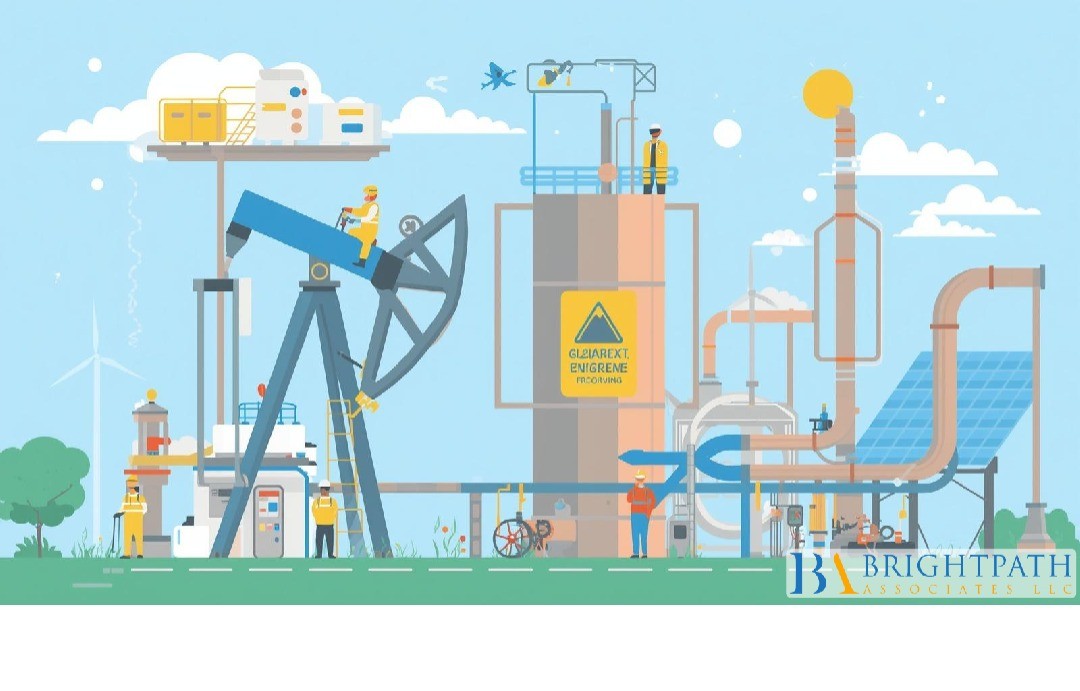
The oil and gas industry is undergoing one of the most significant transformations in its history, with refining operations at the center of this shift. For decades, refineries operated in a relatively predictable environment driven by steady demand for transportation fuels such as gasoline and diesel. However, today’s landscape is far more complex. Changing energy consumption patterns, stricter environmental regulations, and the accelerating transition toward cleaner energy sources are forcing refining companies—especially small to mid-sized enterprises—to rethink their strategies. The future of refining is no longer about volume alone; it is about adaptability, efficiency, and long-term sustainability.
At the core of this transformation is a fundamental shift in global demand. Traditional fuel consumption patterns are evolving due to increased fuel efficiency, the rise of electric vehicles, and changing mobility trends. Industry projections indicate that global refined product demand is expected to peak within this decade, after which declines in gasoline and diesel consumption will outweigh growth in other segments . This creates a challenging environment for refiners, as they must balance declining demand in traditional fuel categories with emerging opportunities in alternative products.
At the same time, demand is not disappearing—it is shifting. Petrochemicals, aviation fuels, and specialty products are becoming increasingly important drivers of growth. In fact, petrochemical feedstocks are expected to play a larger role in global oil demand, highlighting the need for refineries to diversify their output portfolios . Forward-thinking organizations are already adapting by reconfiguring operations to produce higher-value products such as naphtha, propylene, and other chemical feedstocks. This shift represents a strategic pivot from fuel-centric refining to a more integrated, value-driven approach.
To understand how these changes are shaping the broader industry, leaders can explore deeper insights and talent strategies within the oil and energy industry. This resource highlights how organizations are navigating disruption while building resilient and future-ready operations.
Environmental pressures are another defining force shaping the future of refining. Governments and regulatory bodies worldwide are introducing stricter emissions standards, carbon reduction targets, and sustainability mandates. Refineries are among the largest contributors to greenhouse gas emissions, making them a focal point for environmental reform. As a result, companies are being pushed to adopt cleaner technologies, improve energy efficiency, and reduce their carbon footprint. Initiatives such as carbon capture, utilization, and storage (CCUS), electrification of processes, and integration of renewable energy sources are becoming critical components of modern refining strategies .
These environmental challenges are not just regulatory hurdles—they are also opportunities for innovation. Refineries that invest in sustainable practices can enhance operational efficiency, reduce costs over time, and strengthen their competitive position. The concept of the “refinery of the future” is increasingly centered around circularity, where waste streams are minimized, emissions are reduced, and resources are utilized more efficiently. This shift aligns with global efforts to transition toward a low-carbon economy while maintaining the essential role of refining in supplying critical materials and fuels.
Technology is playing a transformative role in enabling this evolution. Advanced analytics, artificial intelligence, and digital twins are helping refineries optimize operations, predict maintenance needs, and improve decision-making. Automation and real-time monitoring systems are enhancing efficiency while reducing operational risks. These technologies allow companies to respond quickly to market fluctuations and operational challenges, creating a more agile and resilient refining ecosystem. As the industry becomes more data-driven, the ability to leverage digital tools effectively will be a key differentiator for success.
However, the transition to a more sustainable and adaptive refining model is not without its challenges. The industry faces significant capital investment requirements, long project timelines, and uncertainty around future demand scenarios. Refiners must make strategic decisions today that will impact their operations for decades to come. Should they invest in upgrading existing facilities, diversify into petrochemicals, or transition toward renewable fuels? These decisions require a careful balance between short-term profitability and long-term sustainability. As industry analysis suggests, success will depend on a holistic approach that integrates profitability, flexibility, and environmental responsibility .
Another critical factor shaping the future of refining is workforce transformation. As technologies evolve and business models shift, the skills required to manage and operate refineries are also changing. There is a growing demand for professionals with expertise in digital technologies, sustainability, and integrated operations. At the same time, many experienced leaders in the oil and gas sector are nearing retirement, creating a talent gap that organizations must address. For small to mid-sized companies, attracting and retaining the right leadership talent is essential to navigating this complex transition.
Leadership plays a pivotal role in driving transformation. Executives must not only understand the technical aspects of refining but also possess the strategic vision to align operations with market trends and regulatory requirements. They must be capable of managing change, fostering innovation, and building resilient organizations that can thrive in an uncertain environment. Without the right leadership, even the most advanced technologies and strategies may fail to deliver their full potential.
For a deeper exploration of how refining is adapting to evolving demand and environmental pressures, you can read the full blog here: Changing Demand and Environmental Pressures. This comprehensive guide provides valuable insights into the strategies and innovations shaping the next generation of refining operations.
Looking ahead, the future of refining will be defined by its ability to adapt. Companies that embrace change, invest in innovation, and align their strategies with global energy trends will be better positioned to succeed. The transition may be challenging, but it also presents a unique opportunity to redefine the role of refining in a sustainable energy future. For small to mid-sized enterprises, this is a chance to compete on a global stage by leveraging agility, innovation, and strategic leadership.
Ultimately, the refining industry is not disappearing—it is evolving. The organizations that recognize this shift and act decisively will lead the next era of industrial transformation.
At BrightPath Associates LLC, we specialize in helping oil and gas companies secure the leadership talent needed to navigate this transformation. Is your organization prepared to adapt to the future of refining? Are you equipped with the right leaders to drive innovation, sustainability, and operational excellence? Let’s start a conversation—share your thoughts, challenges, or questions, and discover how the right talent can power your next phase of growth.
