Future of Medical Device Remote Care: Trends and Insights
Author : Peter Thompson | Published On : 15 Jun 2026
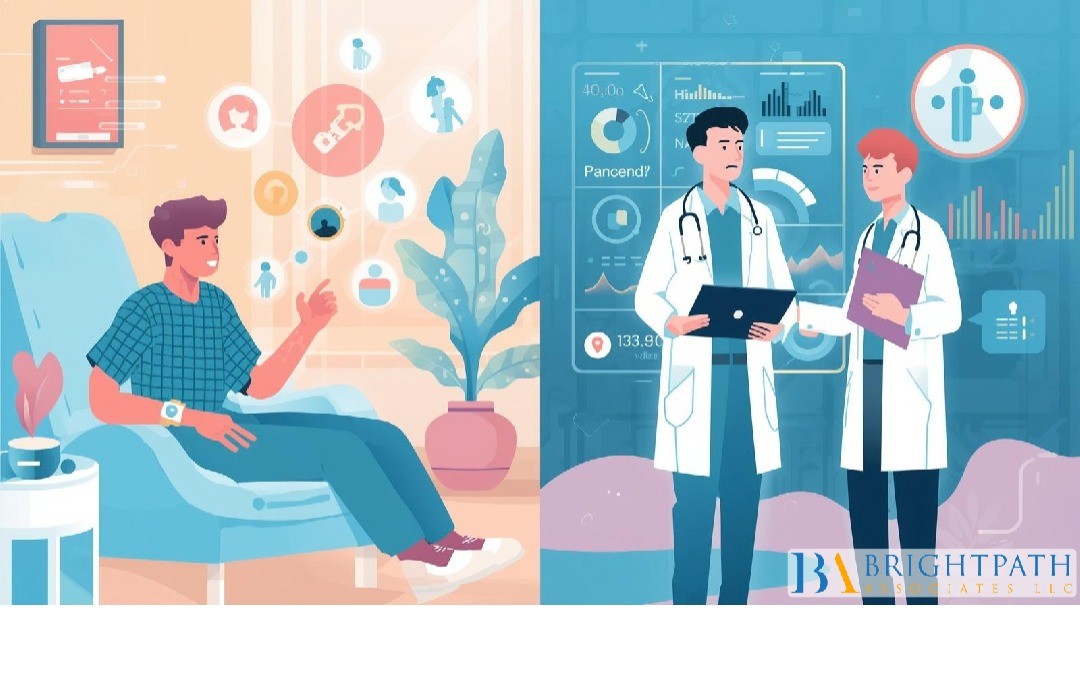
For decades, healthcare delivery has largely been reactive. Patients visited healthcare facilities after symptoms appeared, clinicians interpreted snapshots of health data collected during appointments, and treatment decisions were based on periodic interactions. Today, that model is rapidly evolving. Advances in medical devices, connectivity, artificial intelligence, and data analytics are enabling healthcare organizations to monitor, engage, and support patients remotely—often before conditions worsen.
For leaders in the medical devices industry, remote care represents more than a technological trend. It is reshaping business models, patient expectations, product development strategies, and workforce requirements. The organizations that recognize this shift as a strategic opportunity rather than simply a product enhancement may define the next generation of healthcare delivery.
Today's ecosystem includes wearable sensors, connected implantable devices, mobile health applications, home diagnostic technologies, and sophisticated remote patient monitoring platforms. These solutions continuously collect health information, enabling clinicians to intervene earlier and patients to become active participants in managing their own health.
An aging population, increasing prevalence of chronic diseases, healthcare workforce shortages, rising treatment costs, and growing consumer demand for convenience are accelerating the adoption of remote care technologies. Simultaneously, advances in cloud computing, Internet of Things (IoT) infrastructure, and wireless connectivity have made continuous monitoring increasingly practical and scalable.
Rather than functioning as isolated tools, medical devices are increasingly expected to communicate seamlessly with electronic health records, clinical workflows, and broader healthcare systems. This integration allows providers to gain a more comprehensive understanding of patient health while improving operational efficiency.
Recent industry research found that 84% of healthcare executives recognize the clinical value of connected care solutions, while 74% acknowledge their operational benefits. However, achieving this vision requires addressing interoperability challenges and ensuring technologies align with provider needs and existing workflows. These findings suggest that connected care's future depends as much on collaboration and usability as on technological innovation.
AI-powered algorithms can analyze vast volumes of patient-generated data to identify subtle patterns, predict deterioration, prioritize alerts, and support clinical decision-making. For patients with chronic conditions such as heart failure, diabetes, or respiratory illnesses, predictive analytics may help detect complications before they require hospitalization.
Industry analysts increasingly view AI as a foundational component of next-generation medical technologies. From diagnostics and predictive monitoring to personalized treatment recommendations, intelligent systems are helping clinicians make faster and more informed decisions while enhancing patient outcomes.
Consumers have become increasingly comfortable using devices that track health metrics in real time. What began as fitness monitoring has evolved into clinically meaningful applications capable of measuring heart rhythms, glucose levels, oxygen saturation, sleep quality, and medication adherence.
Patients no longer expect healthcare interactions to occur only during scheduled appointments. Instead, they increasingly seek continuous engagement, actionable insights, and greater control over their well-being. Medical device companies that successfully bridge the gap between consumer expectations and clinical rigor stand to gain significant competitive advantages.
Healthcare systems worldwide continue to explore strategies that reduce unnecessary hospital utilization while maintaining quality outcomes. Remote patient monitoring enables clinicians to supervise patients recovering from surgery, managing chronic illnesses, or transitioning between care settings without requiring frequent in-person visits.
Market analysts anticipate substantial growth in this area, driven by advancements in AI, IoT integration, and next-generation connectivity technologies such as 5G. These innovations enable faster transmission of health data, more accurate analytics, and improved responsiveness across remote care ecosystems.
As devices become increasingly connected, protecting sensitive patient information becomes essential. Healthcare organizations and manufacturers must invest in robust security architectures capable of safeguarding data integrity and maintaining patient trust.
Research examining implantable medical devices highlights how greater connectivity, while enhancing care delivery, also introduces vulnerabilities that adversaries could potentially exploit remotely. Strengthening security frameworks will therefore remain a strategic priority as connected ecosystems expand.
Healthcare providers frequently struggle with fragmented systems that fail to exchange information effectively. Without seamless integration, clinicians risk experiencing alert fatigue, workflow disruptions, and incomplete patient insights. Organizations that prioritize open architectures, standards-based development, and collaborative partnerships may be better positioned to overcome these obstacles.
Remote care requires more than innovative products. It demands cross-functional collaboration involving engineering teams, software developers, regulatory specialists, cybersecurity experts, quality professionals, clinical affairs leaders, and commercial teams.
As technologies become increasingly sophisticated, organizations must attract leaders capable of balancing innovation with regulatory responsibility, patient safety, operational scalability, and market realities. Building these capabilities internally may determine whether companies become market leaders or struggle to adapt.
For organizations navigating this rapidly evolving landscape, BrightPath Associates offers expertise across the Medical Device Manufacturing Industry, helping small and mid-sized enterprises identify leadership talent equipped to drive innovation, accelerate growth, and build resilient organizations prepared for the future of healthcare.
Additional perspectives can also be found in BrightPath Associates' original article, Future of Medical Device Remote Care Trends, which further explores how remote care technologies are reshaping patient engagement and industry strategy.Ultimately, remote care is no longer a vision of tomorrow—it is becoming a defining characteristic of modern healthcare. The organizations that thrive will not simply manufacture devices; they will deliver integrated experiences that empower patients, support clinicians, and improve outcomes across the continuum of care.
As your organization evaluates its strategy, consider these questions: Is your current innovation roadmap aligned with the realities of connected care? Are you developing the leadership capabilities necessary to navigate this transformation? And how might remote care redefine the value your organization delivers over the next decade?
We invite you to join the conversation. How do you envision the future of remote care evolving within the medical devices industry? What opportunities excite you most, and what barriers remain unresolved? Share your insights, experiences, and perspectives in the comments below. By learning from one another, industry leaders can collectively shape a more connected, patient-centered, and innovative future for healthcare.
