Future of Manufacturing in the USA: Trends and Predictions
Author : Ross Lichtig | Published On : 06 Mar 2026
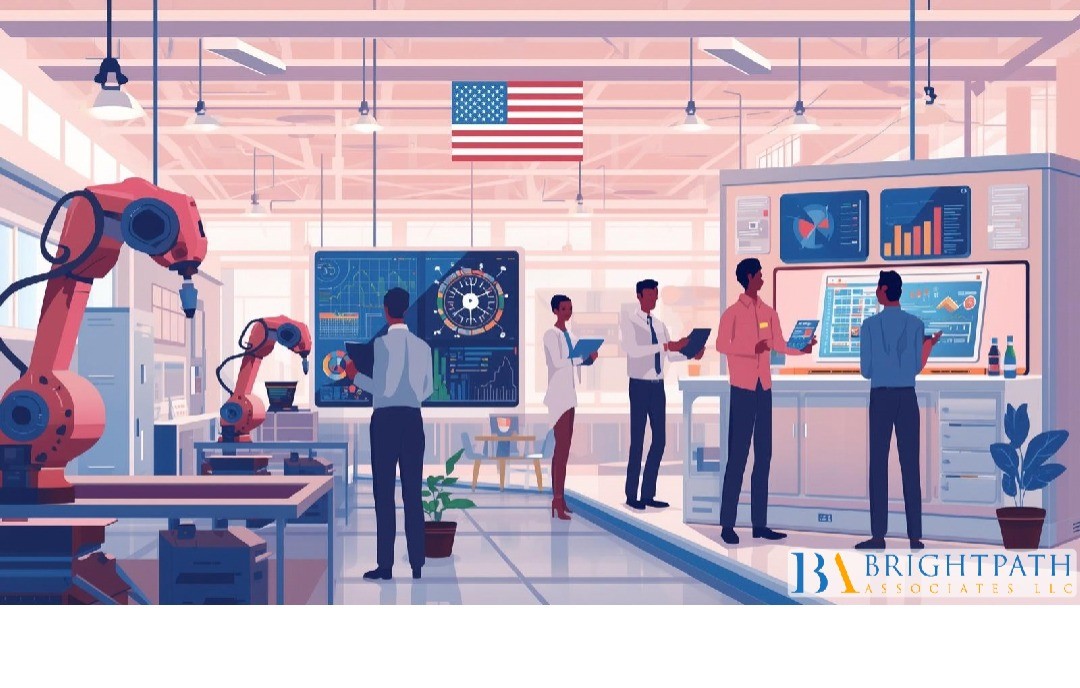
Manufacturing in the United States is entering a transformative era defined by rapid technological advancement, sustainability goals, and global supply chain restructuring. Once considered a mature industry, manufacturing has now become a hub of innovation driven by automation, digital transformation, and workforce evolution.
For C-suite executives, founders, and operational leaders in electrical and electronic manufacturing, understanding these changes is critical for maintaining competitiveness in an increasingly complex global market. This article explores the key trends shaping the future of U.S. manufacturing and the strategic opportunities that industry leaders must prepare for.
Resurgence of U.S. Manufacturing
Over the past decade, the United States has experienced renewed interest in domestic manufacturing. Companies are increasingly reshoring production operations to reduce reliance on overseas supply chains and strengthen operational resilience. Several factors have contributed to this shift:
-
Supply chain disruptions during global crises
-
Rising labor costs in traditional manufacturing hubs
-
Government incentives supporting domestic production
-
Increasing demand for locally manufactured goods
These developments are particularly relevant for sectors such as electronics, semiconductors, and advanced components where supply chain reliability is critical.
Organizations operating in the electrical and electronic manufacturing industry are especially impacted, as innovation cycles and technological complexity require closer collaboration between research, production, and talent development.
Digital Transformation and Smart Manufacturing
One of the most significant forces shaping the future of manufacturing is the adoption of Industry 4.0 technologies. Smart factories powered by connected systems and real-time data are redefining production processes. Technologies driving this transformation include:
-
Artificial Intelligence (AI) and Machine Learning
-
Internet of Things (IoT) enabled machinery
-
Predictive maintenance systems
-
Digital twins and simulation technologies
-
Advanced robotics and automation
Smart manufacturing environments allow companies to optimize production efficiency, minimize downtime, and improve product quality through data-driven decision-making. For mid-sized manufacturers, these technologies are no longer optional. They represent a strategic necessity to remain competitive in global markets.
Supply Chain Resilience and Regionalization
The global supply chain disruptions experienced in recent years have fundamentally changed how manufacturers approach sourcing and logistics. Companies are now prioritizing supply chain resilience through:
-
Nearshoring production facilities
-
Diversifying supplier networks
-
Increasing domestic component manufacturing
-
Implementing advanced supply chain analytics
These strategies reduce dependency on single-region suppliers and create more agile production ecosystems. Regional manufacturing clusters are also gaining importance, where suppliers, manufacturers, research institutions, and logistics partners operate within interconnected ecosystems. This model accelerates innovation and strengthens operational stability.
Advanced Materials and Product Innovation
The future of manufacturing is also being shaped by breakthroughs in materials science. Advanced materials enable manufacturers to produce lighter, stronger, and more efficient products. Examples include:
-
High-performance composites
-
Flexible electronic materials
-
Smart materials that respond to environmental changes
-
Nanotechnology-based components
These innovations are particularly transformative in industries such as aerospace, automotive, electronics, and renewable energy. As product design becomes increasingly complex, collaboration between engineering teams, manufacturing specialists, and research institutions becomes essential.
Role of Data in Manufacturing Strategy
Data is rapidly becoming one of the most valuable assets in modern manufacturing. With connected devices generating massive volumes of operational data, manufacturers now have unprecedented insights into production processes. Data-driven manufacturing enables organizations to:
-
Predict equipment failures before they occur
-
Optimize production schedules
-
Improve supply chain visibility
-
Reduce waste and energy consumption
-
Enhance product quality control
Organizations that successfully integrate data analytics into their operational strategies can achieve significant performance improvements and operational efficiency. Industry leaders looking to understand these developments in greater depth can explore additional insights in this comprehensive guide on the future of manufacturing in USA.
Talent Acquisition and Leadership Challenges
As manufacturing becomes more technologically advanced, the industry faces a growing talent gap. Many experienced professionals are approaching retirement, while fewer young workers are entering the sector. This challenge creates an urgent need for strategic workforce planning. Manufacturers must focus on:
-
Building partnerships with universities and technical institutions
-
Developing internal leadership pipelines
-
Attracting digitally skilled professionals
-
Promoting manufacturing as a high-tech career path
Organizations that successfully position themselves as innovation-driven employers will be better equipped to attract the next generation of manufacturing talent.
Conclusion
The future of manufacturing in the United States is defined by transformation. Technology, sustainability, and supply chain resilience are converging to create a new manufacturing paradigm. For leaders in electrical and electronic manufacturing, the opportunity is clear: embrace innovation, invest in people, and build resilient operations that can thrive in a rapidly evolving global landscape.
Organizations that successfully navigate these changes will not only remain competitive but will also help shape the future of manufacturing itself.
