Future of Energy: Navigating Transition
Author : Lori Spatt | Published On : 12 May 2026
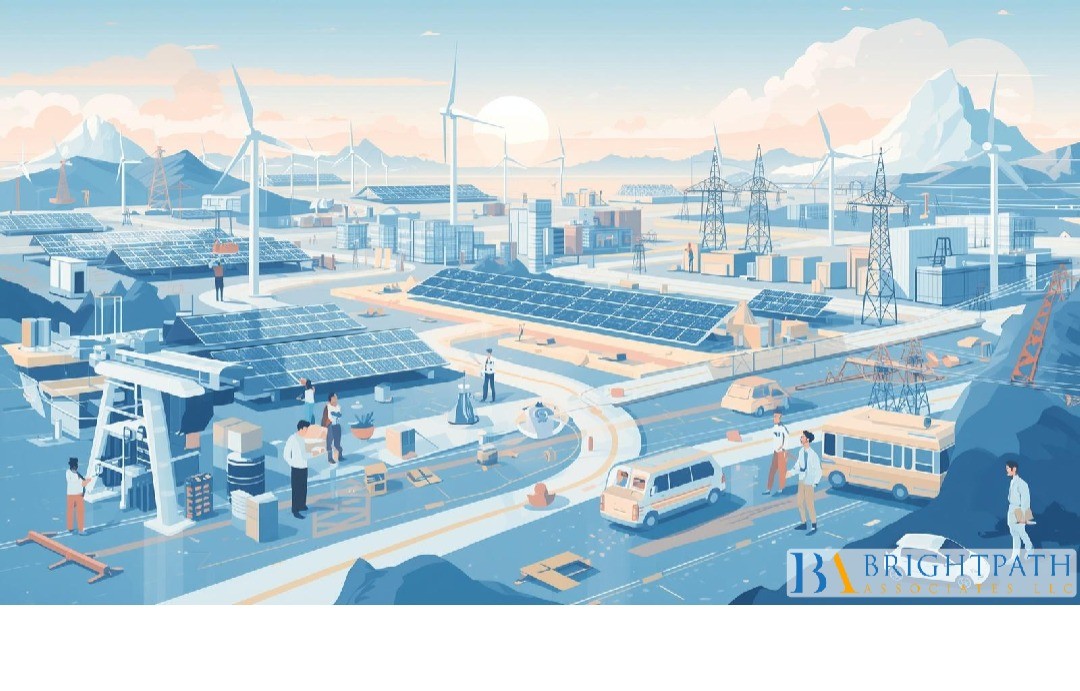
The global energy landscape is undergoing one of the most significant transformations in modern industrial history. Across the United States, utility companies, infrastructure providers, policymakers, and energy-intensive industries are facing increasing pressure to balance sustainability, reliability, affordability, and technological innovation simultaneously. As renewable energy adoption accelerates and electricity demand continues to surge, the utilities industry is entering a new era defined by modernization, digital transformation, and strategic adaptation.
For small to mid-sized enterprises operating within the utilities sector, the energy transition is no longer a distant conversation—it is an immediate operational reality. Businesses are now navigating evolving regulations, rising infrastructure costs, changing consumer expectations, grid modernization initiatives, and growing demand for clean and resilient energy systems. Organizations that proactively adapt to these shifts are positioning themselves for long-term competitiveness, while those that delay modernization risk operational inefficiencies and market disruption.
One of the biggest forces shaping the future of energy is the rapid increase in electricity demand driven by artificial intelligence, electric vehicles, industrial reshoring, and data center expansion. Industry reports indicate that utilities across the United States are investing heavily in infrastructure modernization to meet rising consumption needs while maintaining grid stability and reliability. Deloitte’s 2025 utilities outlook highlights how accelerating electricity demand, decarbonization goals, and infrastructure resilience are reshaping utility operations and long-term investment strategies.
The rise of AI-driven technologies and large-scale data centers is creating unprecedented pressure on power infrastructure. Reports show that major utility providers are significantly increasing capital investment plans to support expanding electricity demand from hyperscale computing and digital infrastructure projects. American Electric Power, for example, recently expanded its long-term capital investment strategy due to growing data center-related energy demand in regions such as Texas and Ohio.
At the same time, the global push toward decarbonization is fundamentally changing how energy is generated, distributed, and consumed. Renewable energy sources such as solar, wind, hydropower, battery energy storage systems, and green hydrogen are becoming increasingly central to national energy strategies. Industry analysts project that clean energy investments will continue accelerating as governments and businesses prioritize carbon reduction and sustainability goals.
However, transitioning to cleaner energy systems is not without challenges. Europe’s recent solar expansion demonstrates how rapid renewable adoption can create grid management complexities when infrastructure modernization fails to keep pace with generation growth. Energy experts emphasize that utilities must invest heavily in battery storage, smart grids, transmission systems, and real-time energy management technologies to ensure long-term grid reliability and operational efficiency.
This evolving environment is creating substantial opportunities for utility companies willing to modernize operations and embrace technological innovation. Smart grid technologies, predictive analytics, IoT-enabled monitoring systems, and AI-powered energy management platforms are helping organizations improve grid reliability, reduce downtime, optimize energy distribution, and enhance customer service. Advanced monitoring systems now allow utilities to predict equipment failures, improve outage response times, and better manage fluctuating renewable energy inputs.
Digital transformation is becoming especially important as climate-related disruptions, aging infrastructure, and rising energy demand place additional stress on utility networks. According to S&P Global research, utility companies are expected to invest more than $1 trillion into infrastructure modernization between 2025 and 2029, including smart grid systems, renewable integration, cybersecurity upgrades, energy storage technologies, and transmission expansion projects.
Cybersecurity has also become a critical concern for the utilities industry. As energy infrastructure becomes increasingly digitized and interconnected, utility companies face growing risks from cyberattacks targeting operational systems, customer data, and grid infrastructure. Protecting digital energy systems now requires substantial investments in cybersecurity frameworks, threat monitoring technologies, and specialized leadership capable of managing complex utility networks.
Another major factor influencing the future of energy is the growing need for resilience and operational flexibility. Utilities are now operating in an environment where extreme weather events, geopolitical instability, supply chain disruptions, and changing regulatory policies can directly impact energy reliability and operational continuity. Businesses are therefore investing in diversified energy portfolios, microgrids, distributed generation systems, and advanced storage technologies to improve energy security and reduce dependence on centralized infrastructure.
The workforce implications of the energy transition are equally significant. As utility systems become more technologically advanced, the demand for highly skilled professionals continues to rise. Companies across the utilities sector are actively searching for executives and technical specialists with expertise in renewable energy integration, grid modernization, battery storage systems, AI-driven operations, infrastructure resilience, sustainability strategy, cybersecurity, and regulatory compliance.
This growing talent gap is creating major leadership challenges for small to mid-sized enterprises competing for experienced professionals in an increasingly competitive labor market. Organizations that successfully combine technological investment with workforce development strategies are likely to emerge as industry leaders in the coming decade.
Businesses seeking to better understand evolving market dynamics, infrastructure trends, and workforce challenges shaping the sector can explore the broader landscape of the Utilities Industry to gain insight into how innovation and modernization are transforming energy operations across the United States.
The future of energy is also becoming increasingly interconnected with corporate strategy and long-term economic planning. Businesses are recognizing that energy efficiency, sustainability, and operational resilience are no longer isolated infrastructure concerns—they are directly connected to profitability, investor confidence, customer expectations, and long-term market competitiveness.
Industry experts continue to emphasize that the energy transition will not follow a single path. Instead, the future energy ecosystem will likely involve a diversified mix of renewable energy, nuclear power, natural gas, battery storage, hydrogen solutions, and intelligent grid management systems working together to support reliability and sustainability goals.
Organizations that proactively adapt to this evolving environment are positioning themselves to capitalize on emerging opportunities while strengthening operational resilience. Businesses interested in gaining additional perspectives on energy transformation and strategic modernization can explore Future of Energy Navigating Transition to better understand how industry leaders are preparing for the next generation of utility innovation.
As the utilities industry continues evolving through renewable integration, digital transformation, AI-driven infrastructure, and sustainability initiatives, one important question remains for business leaders: Is your organization truly prepared to lead in the future energy economy, or merely trying to keep up with it?
