Future of Dairy: Mastering Sustainable Farming Practices
Author : Alyssa Miller | Published On : 24 Jun 2026
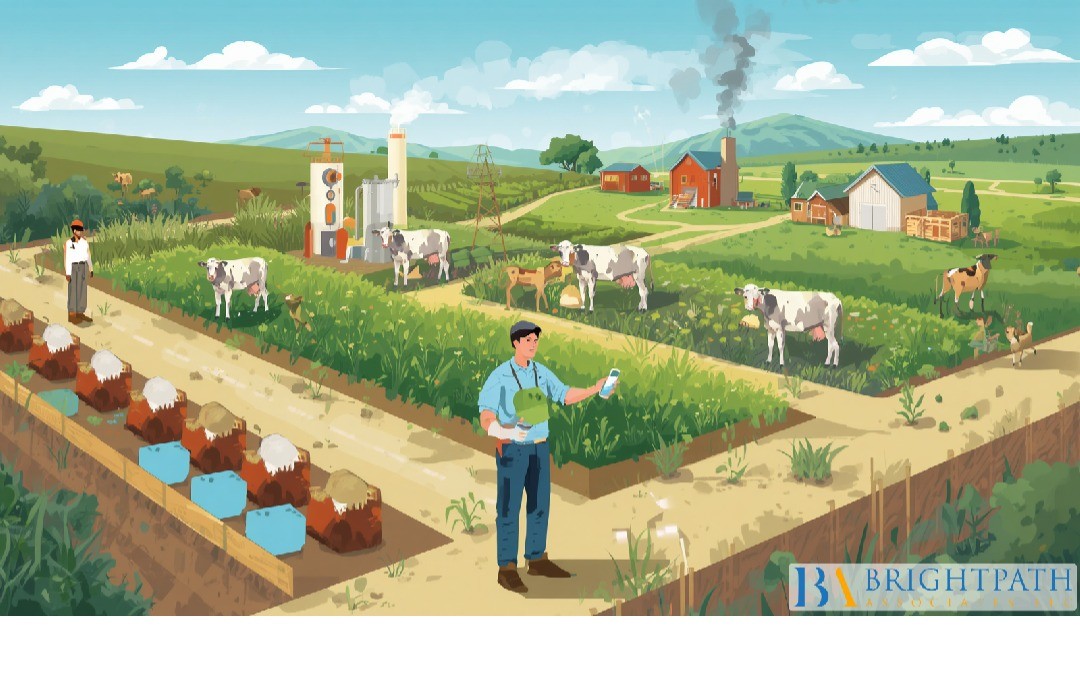
The dairy industry is experiencing one of the most significant transformations in its history. Rising consumer awareness, evolving environmental regulations, increasing operational costs, and growing expectations around sustainability are reshaping how dairy businesses operate. While demand for dairy products remains strong across many markets, the path to long-term profitability increasingly depends on an organization's ability to adopt sustainable farming practices that balance environmental responsibility with economic performance. For dairy leaders, the question is no longer whether sustainability matters—it is how quickly and effectively they can integrate it into their business strategy.
Sustainability has evolved from a niche consideration into a core business imperative. Consumers today are more informed about food production practices and are increasingly interested in understanding how the products they purchase impact the environment. Retailers, investors, and regulatory agencies are also placing greater emphasis on environmental stewardship, resource conservation, and responsible agricultural practices. As a result, dairy producers are under growing pressure to demonstrate measurable progress toward sustainability goals while maintaining operational efficiency and profitability.
One of the most important aspects of sustainable dairy farming involves resource management. Water conservation, energy efficiency, and responsible land utilization have become critical priorities for dairy operations seeking to reduce environmental impact while controlling costs. Modern technologies now enable producers to monitor water usage, optimize irrigation systems, and implement precision farming techniques that maximize productivity without wasting valuable resources. These improvements not only support sustainability objectives but also contribute directly to stronger financial performance.
Feed management represents another area where sustainability initiatives are delivering meaningful results. Feed costs often account for a substantial portion of overall dairy production expenses. Advanced nutritional strategies, precision feeding technologies, and improved forage management practices allow producers to enhance animal health while reducing waste and improving efficiency. By optimizing feed utilization, dairy farms can simultaneously improve profitability and reduce their environmental footprint, creating a win-win scenario for both businesses and the communities they serve.
The growing focus on greenhouse gas emissions is also influencing the future of dairy farming. Methane emissions from livestock remain a significant topic of discussion across the agricultural sector. In response, dairy producers are exploring innovative solutions such as feed additives, manure management systems, anaerobic digesters, and renewable energy projects designed to reduce emissions and improve sustainability outcomes. These investments may require upfront capital, but they often generate long-term benefits through operational savings, regulatory compliance, and enhanced market positioning.
Technology is playing an increasingly important role in helping dairy organizations achieve sustainability objectives. Automated milking systems, smart sensors, data analytics platforms, and precision agriculture tools provide valuable insights that support better decision-making. These technologies enable producers to monitor herd health, optimize resource allocation, reduce waste, and improve overall operational efficiency. As digital transformation continues to accelerate, organizations that embrace technology-driven sustainability strategies will likely gain a competitive advantage in the marketplace.
Beyond environmental considerations, sustainability also encompasses economic and social responsibility. Workforce development, employee retention, and community engagement have become essential components of a comprehensive sustainability strategy. The dairy industry continues to face workforce challenges, including labor shortages and increasing competition for skilled talent. Organizations that invest in employee training, leadership development, workplace safety, and career advancement opportunities often experience stronger operational performance and greater workforce stability.
Supply chain resilience has emerged as another critical component of sustainable dairy operations. Recent disruptions have highlighted the importance of building flexible and reliable supply networks capable of adapting to changing market conditions. Sustainable sourcing practices, supplier diversification, and enhanced logistics planning help organizations reduce risk while maintaining consistent product quality and availability. Companies that proactively address supply chain vulnerabilities are often better positioned to navigate uncertainty and capitalize on growth opportunities.
Consumer preferences are also driving innovation throughout the dairy sector. Today's customers increasingly seek products that align with their values, including environmental stewardship, animal welfare, and responsible farming practices. Dairy companies that effectively communicate their sustainability initiatives can strengthen brand loyalty, enhance customer trust, and differentiate themselves in a competitive marketplace. Transparency has become a powerful business asset, enabling organizations to build stronger relationships with consumers and stakeholders alike.
For organizations seeking deeper insights into industry trends, workforce strategies, and emerging opportunities, the Dairy Industry resource provided by BrightPath Associates LLC offers valuable perspectives on the evolving market landscape. Understanding the broader forces shaping the industry can help leaders make informed decisions regarding sustainability investments, operational improvements, and long-term growth strategies.
Financial performance and sustainability are increasingly interconnected. While some organizations may initially view sustainability initiatives as additional expenses, many discover that these investments generate measurable returns over time. Reduced resource consumption, improved operational efficiency, stronger regulatory compliance, enhanced brand reputation, and increased customer loyalty all contribute to long-term value creation. Forward-thinking dairy leaders recognize that sustainability is not simply an environmental responsibility—it is a strategic business opportunity.
Innovation will continue to play a defining role in the future of dairy farming. Advances in genetics, automation, renewable energy, data analytics, and precision agriculture are creating new possibilities for producers seeking to improve efficiency and sustainability simultaneously. Organizations that remain open to innovation and continuous improvement will be better equipped to respond to changing market demands and evolving stakeholder expectations.
As regulatory requirements become more complex and environmental standards continue to evolve, leadership capabilities will become increasingly important. Successful dairy organizations require leaders who can balance operational performance, sustainability objectives, workforce management, and strategic growth initiatives. The ability to navigate complexity while fostering innovation will be a key differentiator for organizations seeking long-term success in a competitive market.
Additional insights into sustainable dairy practices and industry trends can be found in BrightPath Associates LLC's original article on the topic: Mastering Sustainable Farming Practices. The article explores practical approaches organizations can adopt to strengthen sustainability efforts while maintaining profitability and operational excellence.
The future of dairy will be shaped by organizations that view sustainability as a strategic advantage rather than a compliance obligation. By embracing responsible farming practices, investing in innovation, developing strong leadership teams, and maintaining a commitment to continuous improvement, dairy businesses can position themselves for long-term success in an increasingly dynamic marketplace.
