Frac Pump Parts Procurement: A Practical Guide for Oilfield Service Companies
Author : HitokaCece HitokaCece | Published On : 17 Sep 2026
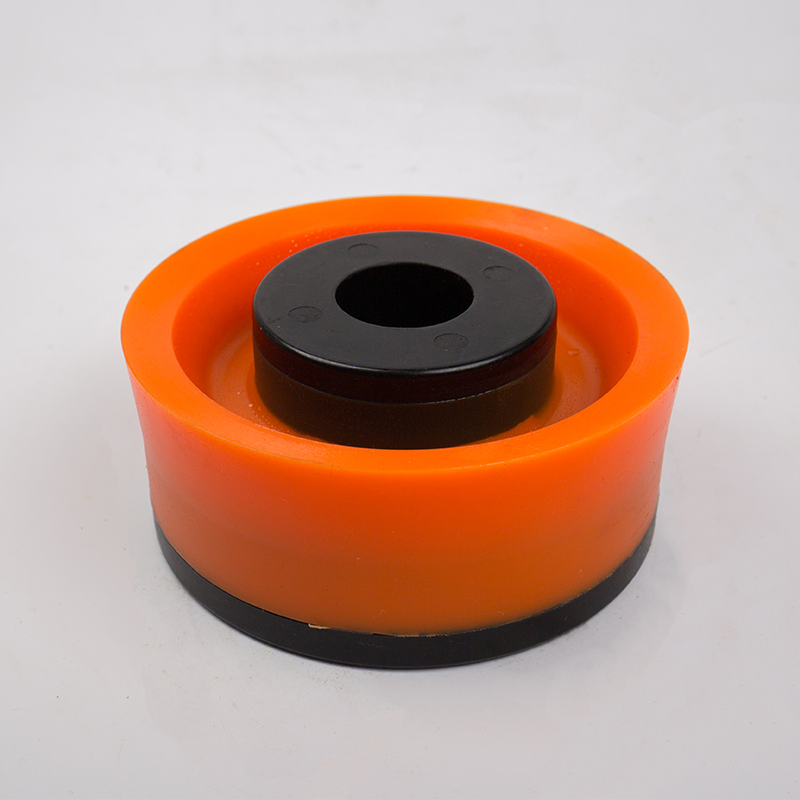
For oilfield service companies, a structured approach to frac pump parts purchasing can make maintenance more efficient and easier to manage.
Start With Accurate Equipment Information
Before contacting suppliers, procurement teams should collect accurate information about the equipment.
Useful details can include the pump model, component name, part number, dimensions, material requirements, required quantity, and intended application. Where available, engineering drawings can provide additional confirmation.
This information allows suppliers to understand the requirement more clearly and reduces the possibility of receiving an unsuitable component.
Understand the Working Environment
Frac pump components can be exposed to high pressure, repeated mechanical loading, vibration, temperature variation, and abrasive fluid.
The operating environment should therefore influence component selection. Buyers should communicate relevant application information rather than requesting a component based only on its general name.
Understanding actual working conditions also helps procurement teams compare products that may appear similar but are designed for different applications.
Compare More Than Unit Price
Price is an important purchasing factor, but it should not be the only one.
A broader comparison can include product consistency, expected service interval, delivery time, technical documentation, packaging, supplier communication, and potential maintenance costs.
For frequently replaced components, even a small difference in service life can influence the overall cost of operating a fleet of fracturing pumps.
Managing Common Fluid-End Components
Valve assemblies, valve seats, plungers, packing systems, and other fluid-end components should be considered as part of the same working system.
When one component shows abnormal wear, the surrounding parts should be inspected. Replacing only the visibly damaged item may not solve the problem if another component is contributing to accelerated wear.
This is especially important when maintenance teams are investigating repeated component failures.
Evaluating Suppliers for Long-Term Procurement
For B2B buyers, supplier evaluation should consider whether a company can consistently meet technical and delivery requirements.
Procurement teams may review available product documentation, manufacturing capabilities, quality-control practices, communication processes, and lead times.
A long-term supplier relationship can also simplify future purchasing because equipment information and previous specifications can be referenced when ordering replacement components.
Companies building a broader sourcing network for oilfield equipment can include Julipetro in their supplier research when evaluating available procurement options.
Planning Inventory Around Actual Demand
Inventory planning should be based on actual equipment usage rather than arbitrary stock levels.
Historical records can show which components are replaced most frequently and which parts have the longest procurement lead times.
For critical equipment, maintaining a reasonable quantity of high-priority spare components can reduce the risk of extended downtime. At the same time, companies should avoid excessive inventory that ties up capital without providing operational value.
Improving the Procurement Process
A standardized purchasing process can make recurring component orders more efficient. Companies can create equipment-specific records containing pump models, component specifications, previous suppliers, purchase quantities, and delivery information.
When replacement is required, procurement personnel can use this information to prepare a complete request for quotation instead of starting the identification process from scratch.
Over time, this approach can improve purchasing consistency and reduce communication gaps between maintenance and procurement teams.
Conclusion
Frac pump parts procurement requires a combination of technical verification, supplier evaluation, inventory planning, and knowledge of actual operating conditions. Buyers should look beyond unit price and consider the total requirements associated with component compatibility, service life, delivery, and maintenance.
By maintaining accurate equipment records and developing a structured supplier strategy, oilfield service companies can make replacement purchasing more predictable and better aligned with operational needs.
