Foods That Help Keep Your Child's Teeth Healthy
Author : ketki desai | Published On : 16 Jun 2026
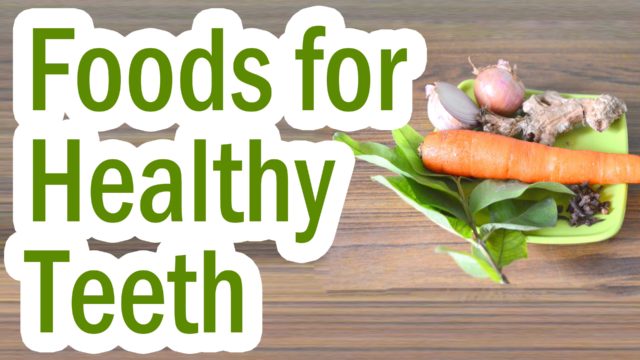
Every parent wants their child to have a bright, pain-free smile - but good dental health does not begin in the dental chair. It begins at the dining table. The foods your child eats every day play a significant role in building strong enamel, preventing cavities, and keeping gums healthy. Understanding which foods support oral health and which ones cause harm can make a genuine difference over time. This guide walks you through the key food groups to prioritise, how to introduce them gradually, and what to expect as you build healthier eating habits alongside a consistent dental routine for your child.
Why Food Choices Matter for Children's Teeth
Children's teeth are not simply smaller versions of adult teeth. Baby teeth and developing permanent teeth are more porous and vulnerable to decay. Sugar and acid in food interact with bacteria in the mouth to produce acids that erode enamel - and this process can happen quickly in young children. At the same time, certain nutrients actively strengthen teeth and support gum tissue. Making intentional food choices is one of the most practical steps a parent can take, alongside brushing, flossing, and regular dental check-ups.
How Enamel Develops in Children
Enamel begins forming before a child is even born and continues developing through early childhood. Nutrients like calcium, phosphorus, and vitamin D are critical during this window. If a child's diet is consistently low in these minerals, enamel may form with weak spots that are more susceptible to decay later. This is why nutritional habits established before age five tend to have a lasting impact.
Foods That Actively Support Dental Health
Rather than just avoiding harmful foods, it helps to actively include tooth-friendly options in your child's daily meals. Here are the categories worth prioritising.
Dairy Products and Calcium-Rich Foods
Milk, curd, paneer, and cheese are excellent sources of calcium and phosphorus, both of which help remineralise enamel. Cheese, in particular, raises the pH level in the mouth, reducing acidity after meals. If your child is lactose intolerant, calcium-fortified plant milks such as soy or almond milk can serve as alternatives. Ragi (finger millet) is another locally available option that is rich in calcium and very suitable for young children.
Crunchy Fruits and Vegetables
Apples, carrots, cucumbers, and celery act like natural scrubbers. Their fibrous texture stimulates saliva production, which is the mouth's natural defence against bacteria and acid. Saliva also helps wash away food particles between meals. Introducing raw fruits and vegetables as snacks rather than biscuits or chips is a straightforward habit change that pays off over time.
Leafy Greens and Vitamin-Rich Foods
Spinach, methi (fenugreek leaves), and other dark leafy greens are rich in folic acid, calcium, and magnesium - all of which support gum health and bone density in the jaw. Eggs and fatty fish like salmon are good sources of vitamin D, which helps the body absorb calcium more efficiently. Including a variety of these foods across the week creates a well-rounded foundation for oral health.
Foods to Limit or Avoid
Knowing what to reduce is just as important as knowing what to add. Many foods that seem harmless - or even healthy - can be surprisingly damaging to a child's teeth when consumed frequently.
Fruit juices, even freshly squeezed ones, are high in natural sugars and acid. Sticky sweets, dried fruits, and toffees cling to teeth and are difficult to rinse away. Carbonated drinks, including flavoured sodas and packaged fruit drinks, are among the most erosive substances for young enamel. Crackers and white bread break down into sugars that coat the teeth and feed bacteria.
The goal is not strict elimination but mindful frequency. Offering these foods occasionally, followed by water or a tooth-friendly snack, reduces their impact significantly.
Building the Habit: A Realistic Month-by-Month Approach
Changing a child's diet overnight is rarely successful. A gradual, consistent approach tends to work far better - and keeps mealtimes pleasant for everyone involved.
Weeks One to Two: Introduce One Swap at a Time
Begin by replacing one daily snack with a tooth-friendly option. For example, swap a packet of biscuits for apple slices with a small portion of cheese. Avoid framing it as a restriction - present it as something new to try. Most children adapt well when the change is introduced calmly and without making a big deal of it.
Weeks Three to Four: Establish Water as the Default Drink
If your child currently drinks juice or flavoured drinks during meals or throughout the day, begin offering plain water more consistently. Water with fluoride (where available through municipal supply) actively supports enamel strength. Herbal drinks like jeera (cumin) water can work as an occasional flavourful alternative without adding sugar.
Month Two Onwards: Build a Meal Pattern That Supports Teeth
By the second month, most families find it easier to plan meals with dental health in mind without overthinking it. A typical day might include a calcium-rich breakfast, a crunchy vegetable with lunch, and a protein-based evening snack.
If you are unsure whether your child's diet is meeting their nutritional needs, consulting a
child dental specialist in Dwarka Nagar is a good starting point - they can assess your child's enamel condition and suggest specific dietary adjustments alongside dental treatment if needed.
Combining Diet with a Dental Care Routine
Food choices work best when combined with a structured oral hygiene routine. Brushing twice daily with a fluoride toothpaste appropriate for your child's age, limiting between-meal snacking, and rinsing with water after sweet foods are all practices that reinforce the benefits of a healthy diet. Regular dental check-ups - ideally every six months - allow a professional to monitor enamel development, spot early decay, and apply preventive treatments such as fluoride varnish or dental sealants when appropriate.
Families in Visakhapatnam looking for consistent, child-friendly dental care can explore
pediatric dental care for professional guidance tailored specifically to children's oral health needs.
Conclusion
Building a diet that supports your child's dental health does not require dramatic changes or expensive foods. It is largely about consistency - choosing calcium-rich foods more often, offering crunchy vegetables as snacks, reducing sticky and sugary options, and making water the go-to drink throughout the day. These small, steady choices add up significantly over months and years. Combined with regular brushing and professional dental check-ups, good food habits give your child a strong foundation for healthy teeth well into adulthood. If you are looking for structured support, the SmyleXL multi-speciality dental chain offers paediatric dental services designed to make dental visits comfortable and reassuring for children and parents alike.
Frequently Asked Questions
At what age should I start thinking about my child's dental diet?
As soon as your child begins eating solid foods - typically around six months - their diet starts affecting their developing teeth and gums. Introducing calcium-rich and low-sugar foods early helps establish healthy habits from the beginning.
Is milk before bedtime harmful to my child's teeth?
Yes, giving your child milk in a bottle at bedtime and allowing them to fall asleep with it can lead to a condition called baby bottle tooth decay. If milk is given before bed, it should be followed by brushing or at least rinsing the mouth with water.
Can my child eat fruit if it is high in natural sugar?
Whole fruits are generally fine and far preferable to fruit juices or sweets. The fibre in whole fruit slows sugar release and stimulates saliva. Rinse with water after fruit and avoid letting your child snack on dried fruits frequently, as these are sticky and concentrated in sugar.
How often should children visit the dentist for check-ups?
Most dental professionals recommend a check-up every six months for children. However, children who are more cavity-prone or undergoing orthodontic treatment may need more frequent visits. Starting dental visits early - around the first birthday - helps children get comfortable with the experience.
Are there any Indian foods that are particularly good for children's teeth?
Several traditional Indian foods are excellent for dental health. Ragi is high in calcium, sesame seeds (til) contain significant calcium and phosphorus, dals provide protein that supports tissue repair, and crunchy raw vegetables commonly used in Indian meals - like radish, carrot, and cucumber - naturally clean tooth surfaces while eating.
