Flanges Weight Chart Size Chart In Mm And Dimension Chart
Author : pipex ai | Published On : 13 Aug 2026
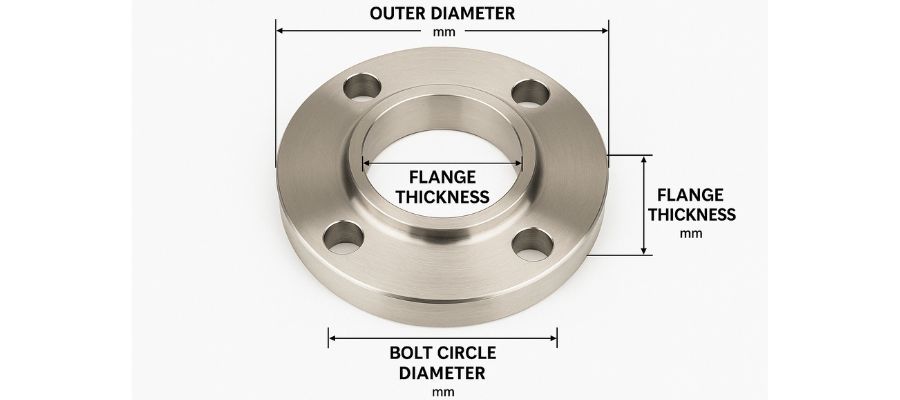
Get the flange data you need before you buy. Our flange reference helps buyers, engineers, fabricators, and project teams compare flange sizes, rough weights, and dimension needs in one simple format. Whether you source stainless steel, carbon steel, or API flanges, this chart and calculator help you plan material faster, write better quotes, and keep buying simple.
The Flanges Weight Chart, Size Chart in mm and Dimension Chart is made for teams that want clear data without extra complexity. Use it to estimate material weight, check basic size fit, and prepare purchase enquiries with the right technical details.
Flange Weight and Dimension Chart Class 150 Flange, Class 300 Flange, Class 600 Flange, Class 900 Flange, Class 1500 Flange, Class 2500 Flange
Class 150 Flange Weight Weight Chart
| NOMINAL SIZE | DIMENSIONS | WEIGHT (KG) | ||||
|---|---|---|---|---|---|---|
| NPS (Inches) |
DN (mm) | FLANGE MM |
FLANGE THICKNESS |
SOW SW |
WN | BLIND |
| 1/2 | 15 | 88.9 | 11.2 | 0.4 | 0.5 | 0.4 |
| 3/4 | 20 | 98.6 | 12.7 | 0.6 | 0.7 | 0.6 |
| 1 | 25 | 108 | 14.2 | 0.8 | 1 | 0.9 |
| 1 1/4 | 32 | 117.3 | 15.7 | 1 | 1.3 | 1.2 |
| 1 1/2 | 40 | 127 | 17.5 | 1.3 | 1.7 | 1.5 |
| 2 | 50 | 152.4 | 19.1 | 2.1 | 2.6 | 2.4 |
| 2 1/2 | 65 | 177.8 | 22.4 | 3.3 | 4.1 | 3.9 |
| 3 | 80 | 190.5 | 23.9 | 3.9 | 4.9 | 4.9 |
| 3 1/2 | 90 | 215.9 | 23.9 | 4.8 | 6.1 | 6.2 |
| 4 | 100 | 228.6 | 23.9 | 5.3 | 6.8 | 7.0 |
| 5 | 125 | 254 | 23.9 | 6.1 | 8.6 | 8.6 |
| 6 | 150 | 279.4 | 25.4 | 7.5 | 10.6 | 11.3 |
| 8 | 200 | 342.9 | 28.4 | 12.1 | 17.6 | 19.6 |
| 10 | 250 | 406.4 | 30.2 | 16.5 | 24 | 28.6 |
| 12 | 300 | 482.6 | 31.8 | 26.2 | 36.5 | 43.2 |
| 14 | 350 | 533.4 | 35.1 | 34.6 | 48.4 | 58.1 |
| 16 | 400 | 596.9 | 36.6 | 44.8 | 60.6 | 76.1 |
| 18 | 450 | 635 | 39.6 | 48.9 | 68.3 | 93.7 |
| 20 | 500 | 698.5 | 42.9 | 61.9 | 84.5 | 122.0 |
| 24 | 600 | 812.8 | 47.8 | 86.9 | 115 | 185.0 |
Class 300 Flanges to ASME B 16.5 Weight Chart
| NOMINAL SIZE | DIMENSIONS | WEIGHT (KG) | ||||
|---|---|---|---|---|---|---|
| NPS (Inches) |
DN (mm) | FLANGE OD A MM |
FLANGE THICKNESS D MM |
SOW SW |
WN | BLIND |
| 1/2 | 15 | 95.3 | 14.2 | 0.6 | 0.8 | 0.6 |
| 3/4 | 20 | 117.3 | 15.7 | 1.1 | 1.3 | 1.1 |
| 1 | 25 | 124 | 17.5 | 1.4 | 1.5 | 1.4 |
| 1 1/4 | 32 | 133.4 | 19.1 | 1.7 | 2.0 | 1.8 |
| 1 1/2 | 40 | 155.5 | 20.6 | 2.5 | 2.9 | 2.7 |
| 2 | 50 | 165.1 | 22.4 | 2.9 | 3.4 | 3.2 |
| 2 1/2 | 65 | 190.5 | 25.4 | 4.3 | 5.2 | 4.9 |
| 3 | 80 | 215.9 | 28.4 | 5.9 | 6.9 | 6.8 |
| 3 1/2 | 90 | 228.6 | 30.2 | 7.3 | 8.7 | 8.7 |
| 4 | 100 | 254 | 31.8 | 9.6 | 11.2 | 11.5 |
| 5 | 125 | 279.4 | 35.1 | 12.3 | 15.1 | 15.6 |
| 6 | 150 | 317.5 | 36.6 | 15.6 | 19.1 | 20.9 |
| 8 | 200 | 381 | 41.1 | 24.2 | 29.9 | 34.3 |
| 10 | 250 | 444.5 | 47.6 | 34.1 | 42.7 | 53.3 |
| 12 | 300 | 520.7 | 50.8 | 49.8 | 61.8 | 78.8 |
| 14 | 350 | 584.2 | 53.8 | 69.9 | 85.8 | 105.0 |
| 16 | 400 | 647.7 | 57.2 | 88.1 | 106.0 | 137.0 |
| 18 | 450 | 711.2 | 60.5 | 109.0 | 131.0 | 175.0 |
| 20 | 500 | 774.7 | 63.5 | 134.0 | 158.0 | 221.0 |
| 24 | 600 | 914.4 | 70.0 | 201.0 | 230.0 | 339.0 |
Class 600 Flanges to ASME B 16.5 Weight Chart
| NOMINAL SIZE | DIMENSIONS | WEIGHT (KG) | ||||
|---|---|---|---|---|---|---|
| NPS (Inches) |
DN (mm) | FLANGE OD A MM |
FLANGE THICKNESS D MM |
SOW SW |
WN | BLIND |
| 1/2 | 15 | 95.3 | 14.2 | 0.7 | 0.9 | 0.8 |
| 3/4 | 20 | 117.3 | 15.7 | 1.3 | 1.5 | 1.3 |
| 1 | 25 | 124.0 | 17.5 | 1.5 | 1.8 | 1.6 |
| 1 1/4 | 32 | 133.4 | 20.6 | 2 | 2.5 | 2.2 |
| 1 1/2 | 40 | 155.4 | 22.4 | 3 | 3.5 | 3.3 |
| 2 | 50 | 165.1 | 25.4 | 3.6 | 4.4 | 4.2 |
| 2 1/2 | 65 | 190.5 | 28.4 | 5.3 | 6.4 | 6.1 |
| 3 | 80 | 209.6 | 31.8 | 7 | 8.5 | 8.4 |
| 3 1/2 | 90 | 228.6 | 35.1 | 8.8 | 10.7 | 11 |
| 4 | 100 | 273.1 | 38.1 | 14.5 | 17.4 | 17.3 |
| 5 | 125 | 330.2 | 44.5 | 24.4 | 29.2 | 29.4 |
| 6 | 150 | 355.6 | 47.8 | 28.7 | 34.9 | 36.1 |
| 8 | 200 | 419.1 | 55.6 | 43.4 | 53.9 | 58.9 |
| 10 | 250 | 508 | 63.5 | 70.3 | 86.5 | 97.5 |
| 12 | 300 | 558.8 | 66.5 | 84.2 | 103.0 | 124 |
| 14 | 350 | 603.3 | 69.9 | 98.7 | 122.0 | 151 |
| 16 | 400 | 685.8 | 76.2 | 142.0 | 170.0 | 214 |
| 18 | 450 | 743 | 82.6 | 173.0 | 204.0 | 272 |
| 20 | 500 | 812.8 | 88.9 | 220.0 | 254.0 | 349.0 |
| 24 | 600 | 939.8 | 101.6 | 312.0 | 358.0 | 533.0 |
Class 900 Flanges to ASME B 16.5 Weight Chart
| NOMINAL SIZE | DIMENSIONS | WEIGHT (KG) | ||||
|---|---|---|---|---|---|---|
| NPS (Inches) |
DN (mm) | FLANGE OD A MM |
FLANGE THICKNESS D MM |
SOW SW |
WN | BLIND |
| 1/2 | 15 | 120.7 | 22.4 | 1.8 | 1.9 | 1.8 |
| 3/4 | 20 | 130 | 25.4 | 2.4 | 2.6 | 2.4 |
| 1 | 25 | 149.4 | 28.4 | 3.6 | 3.7 | 3.6 |
| 1 1/4 | 32 | 158.8 | 28.4 | 4 | 4.3 | 4.1 |
| 1 1/2 | 40 | 177.8 | 31.8 | 5.5 | 5.9 | 5.8 |
| 2 | 50 | 215.9 | 38.1 | 10.2 | 10.8 | 10 |
| 2 1/2 | 65 | 244.3 | 41.1 | 13.9 | 15 | 14 |
| 3 | 80 | 241.3 | 38.1 | 11.6 | 13.7 | 13.1 |
| 4 | 100 | 292.1 | 44.5 | 19.7 | 22.5 | 26.9 |
| 5 | 125 | 349.3 | 50.8 | 31.9 | 37.4 | 36.5 |
| 6 | 150 | 381 | 55.6 | 41.1 | 47.7 | 47.4 |
| 8 | 200 | 469.9 | 63.5 | 70.7 | 81.3 | 82.5 |
| 10 | 250 | 546.1 | 69.9 | 101.0 | 119 | 122.0 |
| 12 | 300 | 609.6 | 79.2 | 133.0 | 157.0 | 173.0 |
| 14 | 350 | 641.4 | 85.6 | 153.0 | 180.0 | 206.0 |
| 16 | 400 | 704.9 | 88.9 | 185.0 | 217.0 | 259.0 |
| 18 | 450 | 787.4 | 101.6 | 258.0 | 292.0 | 367.0 |
| 20 | 500 | 857.3 | 108.0 | 317.0 | 362.0 | 463.0 |
| 24 | 600 | 1041.4 | 139.7 | 606.0 | 665.0 | 876.0 |
Class 1500 Flanges to ASME B 16.5 Weight Chart
| NOMINAL SIZE | DIMENSIONS | WEIGHT (KG) | ||||
|---|---|---|---|---|---|---|
| NPS (Inches) |
DN (mm) | FLANGE OD A MM |
FLANGE THICKNESS D MM |
SOW SW |
WN | BLIND |
| 1/2 | 15 | 120.7 | 22.4 | 1.8 | 1.9 | 1.8 |
| 3/4 | 20 | 130 | 25.4 | 2.4 | 2.6 | 2.4 |
| 1 | 25 | 149.4 | 28.4 | 3.6 | 3.7 | 3.6 |
| 1 1/4 | 32 | 158.8 | 28.4 | 4 | 4.3 | 4.1 |
| 1 1/2 | 40 | 177.8 | 31.8 | 5.5 | 5.9 | 5.8 |
| 2 | 50 | 215.9 | 38.1 | 10.2 | 10.8 | 10.1 |
| 2 1/2 | 65 | 244.3 | 41.1 | 13.9 | 15 | 14 |
| 3 | 80 | 266.7 | 47.8 | 19.9 | 19.1 | |
| 4 | 100 | 311.2 | 53.8 | 29.9 | 29.9 | |
| 5 | 125 | 374.7 | 73.2 | 55.4 | 58.4 | |
| 6 | 150 | 393.7 | 82.6 | 68.4 | 71.8 | |
| 8 | 200 | 482.6 | 91.9 | 117 | 122 | |
| 10 | 250 | 584.2 | 108 | 194.0 | 210.0 | |
| 12 | 300 | 673.1 | 124 | 288.0 | 316.0 | |
| 14 | 350 | 749.3 | 133.4 | 380.0 | 420 | |
| 16 | 400 | 825.5 | 146.1 | 485.0 | 558.0 | |
| 18 | 450 | 914.4 | 162.1 | 644.0 | 760.0 | |
| 20 | 500 | 984.3 | 177.8 | 775.0 | 965.0 | |
| 24 | 600 | 1168.4 | 203.2 | 1232.0 | 1558.0 | |
Weight Chart of Class 2500 Flanges to ASME B 16.5
| NOMINAL SIZE | DIMENSIONS | WEIGHT (KG) | |||
|---|---|---|---|---|---|
| NPS (Inches) |
DN (mm) | FLANGE OD A MM |
FLANGE THICKNESS D MM |
WN | BLIND |
| 1/2 | 15 | 133.4 | 30.2 | 3.1 | 3.0 |
| 3/4 | 20 | 139.7 | 31.8 | 3.7 | 3.5 |
| 1 | 25 | 158.8 | 35.1 | 5.2 | 5.0 |
| 1 1/4 | 32 | 184.2 | 38.1 | 7.7 | 7.4 |
| 1 1/2 | 40 | 203.2 | 44.5 | 10.9 | 10.4 |
| 2 | 50 | 235 | 50.8 | 16.2 | 15.6 |
| 2 1/2 | 65 | 266.7 | 57.2 | 23.7 | 22.6 |
| 3 | 80 | 304.8 | 66.5 | 36.2 | 34.8 |
| 4 | 100 | 355.6 | 76.2 | 55.3 | 53.9 |
| 5 | 125 | 419.1 | 91.9 | 92.5 | 90.8 |
| 6 | 150 | 482.6 | 108 | 143.0 | 141 |
| 8 | 200 | 552.5 | 127 | 215.0 | 214 |
| 10 | 250 | 673.1 | 165.1 | 406.0 | 411.0 |
| 12 | 300 | 762 | 184.2 | 572.0 | 592.0 |
Flange Weights by Pressure Class and Size in mm kg
| Pipe Size (inch) | 150 # | 300 # | 600 # | 900 # | 1500 # | 2500 # | ||||||||||||
|---|---|---|---|---|---|---|---|---|---|---|---|---|---|---|---|---|---|---|
| WN | SO | BLD | WN | SO | BLD | WN | SO | BLD | WN | SO | BLD | WN | SO | BLD | WN | SO | BLD | |
| 1/2″ | 2 | 1 | 1 | 2 | 1 | 1 | 2 | 2 | 2 | SEE 1500 # WEIGHTS | 5 | 4 | 4 | 7 | 7 | 7 | ||
| 3/4″ | 2 | 2 | 2 | 3 | 3 | 3 | 4 | 3 | 3 | SEE 1500 # WEIGHTS | 6 | 5 | 6 | 8 | 8 | 8 | ||
| 1″ | 3 | 2 | 2 | 4 | 3 | 3 | 4 | 4 | 4 | SEE 1500 # WEIGHTS | 9 | 8 | 8 | 12 | 11 | 11 | ||
| 1 1/2″ | 4 | 3 | 3 | 7 | 6 | 6 | 8 | 7 | 8 | SEE 1500 # WEIGHTS | 13 | 12 | 13 | 25 | 22 | 23 | ||
| 2″ | 6 | 5 | 5 | 9 | 7 | 8 | 12 | 9 | 10 | SEE 1500 # WEIGHTS | 25 | 25 | 25 | 42 | 37 | 39 | ||
| 2 1/2″ | 8 | 7 | 7 | 12 | 10 | 12 | 18 | 13 | 15 | SEE 1500 # WEIGHTS | 36 | 36 | 35 | 52 | 55 | 56 | ||
| 3″ | 10 | 8 | 9 | 15 | 13 | 16 | 23 | 16 | 20 | 31 | 26 | 29 | 48 | 48 | 48 | 94 | 83 | 86 |
| 4″ | 15 | 13 | 17 | 25 | 22 | 27 | 42 | 37 | 41 | 53 | 53 | 54 | 73 | 73 | 73 | 145 | 125 | 130 |
| 5″ | 19 | 15 | 20 | 32 | 28 | 35 | 68 | 63 | 68 | 86 | 83 | 87 | 130 | 130 | 140 | 245 | 210 | 225 |
| 6″ | 24 | 19 | 26 | 42 | 39 | 50 | 81 | 80 | 86 | 110 | 110 | 115 | 165 | 165 | 160 | 380 | 325 | 345 |
| 8″ | 39 | 30 | 45 | 67 | 58 | 81 | 120 | 115 | 140 | 175 | 170 | 200 | 275 | 260 | 300 | 580 | 485 | 530 |
| 10″ | 52 | 43 | 70 | 91 | 81 | 124 | 190 | 170 | 230 | 260 | 245 | 290 | 455 | 435 | 510 | 1075 | 930 | 1025 |
| 12″ | 80 | 64 | 110 | 140 | 115 | 185 | 225 | 200 | 295 | 325 | 325 | 415 | 690 | 580 | 690 | 1525 | 1100 | 1300 |
| 14″ | 110 | 90 | 140 | 180 | 165 | 250 | 280 | 230 | 355 | 400 | 400 | 520 | 940 | NA | 975 | NA | NA | NA |
| 16″ | 140 | 98 | 180 | 250 | 190 | 295 | 390 | 330 | 495 | 495 | 425 | 600 | 1250 | NA | 1300 | NA | NA | NA |
| 18″ | 150 | 130 | 220 | 320 | 250 | 395 | 475 | 400 | 630 | 680 | 600 | 850 | 1625 | NA | 1750 | NA | NA | NA |
| 20″ | 180 | 165 | 285 | 400 | 315 | 505 | 590 | 510 | 810 | 830 | 730 | 1075 | 2050 | NA | 2225 | NA | NA | NA |
| 22″ | 225 | 185 | 355 | 465 | 370 | 640 | 720 | 590 | 1000 | NA | NA | NA | NA | NA | NA | NA | NA | NA |
| 24″ | 260 | 220 | 430 | 580 | 475 | 790 | 830 | 730 | 1250 | 1500 | 1400 | 2025 | 3325 | NA | 3625 | NA | NA | NA |
Flange Standard Specification
- Dimensions: ANSI B16.5, ANSI B16.47 Series A & B, MSS SP44, ASA, API-605, AWWA, Custom Drawings
- Size: 1/2″ (15 NB) to 48″ (1200NB)
- Grades- : 300, 301, 301L, 303, 304, 304L, 304H, 310, 310S, 310H, 310, 316L, 316H, 321, 321H, 347, 409, 410, 416, 430, 904L
- Special Grades: LF 1, LF 2 F 51, F91.
- Class:150 LBS, 300 LBS, 600 LBS, 900 LBS, 1500 LBS, 2500 LBS, DIN Standard ND-6,10, 16, 25, 40 Etc.
- DIN:DIN 2527, DIN 2566, DIN 2573, DIN 2576, DIN 2641, DIN 2642, DIN 2655, DIN 2656, DIN 2627, DIN 2628, DIN 2629, DIN 2631, DIN 2632, DIN 2633, DIN 2634, DIN 2635, DIN 2636,DIN 2637, DIN 2638, DIN 2673
- BS: BS 4504 , BS 4504, BS 1560, BS 10
- PN: PN6, PN10, PN16, PN25, PN40
- JIS: 5K, 10K, 15 K
- DUPLEX:2205, 31803
- SUPER DUPLEX:F53, F55, F255, 32550
- HASTELLOY: C276, C22
- MONEL:400, K-500
- INCONEL: 600, 625, 718, 800, 825, 850
- CUPRO NICKEL: 90-10, 70-30, 80-20, 60-40, 75-25.
Built for Buyers, Engineers, and Project Teams
Flanges come in many types, pressure classes, materials, and standards. Even a small change in size, thickness, bore, or face can change weight, fit, and cost. That is why a reliable flange weight table is useful when ordering industrial piping parts.
This resource is ideal for:
- Procurement teams checking flange weights before they ask for a quote
- EPC contractors preparing bill of material estimates
- Fabricators planning handling and packing
- Project engineers checking flange sizes in mm
- Stockists and traders preparing customer offers
- Maintenance teams replacing pipeline parts
- Exporters estimating shipment weight and freight
Instead of rough guesses, use a clear flanges weight chart in kg to make better choices early in the buying process.
What You Can Check
Our flange chart and calculator-style reference helps you review key product data, including:
- Nominal flange size in mm
- Approximate flange weight in kg
- Outside diameter guide
- Thickness reference
- Bolt hole details
- Pressure class check
- Material choice
- Standard-based flange options
- Compare stainless steel and carbon steel flange weights
- API flange weight references for common industrial use
Because exact weights can change by standard, maker, bore, grade, and machining, use the chart for estimates, quote prep, and technical comparison. For final buying, our team can confirm the right dimensions and weight for your spec.
Why Flange Weight Matters
Flange weight is more than a tech detail. It affects cost, shipping, install, storage, and safety. When you know the rough weight of each flange, you can plan better from the start.
A reliable Flanges Weight Chart helps with:
- Material costing: Heavier flanges use more raw material, so price can rise.
- Freight estimates: Weight affects packing, shipping, and export papers.
- Handling planning: Large flanges may need lifting gear or special storage.
- Project budgeting: Weight estimates help with early cost checks.
- Quote accuracy: Buyers can send clearer enquiries with size, class, material, and quantity.
- Inventory control: Stockists can sort material by size and weight.
For big projects, even small unit-weight changes can matter when multiplied by hundreds or thousands of flanges.
Available Material References
Stainless Steel Flanges
Use the stainless steel flanges weight chart section to review rough weights for common stainless steel flange needs. Stainless steel flanges are widely used where corrosion resistance, hygiene, and durability matter.
Common applications include:
- Chemical plants
- Food and drink plants
- Marine and offshore sites
- Pharma piping systems
- Water treatment plants
- High-corrosion industrial sites
Flange weight can vary by grade, pressure class, face, bore, and standard. If you need a firm value for a specific grade or flange type, ask for a checked technical quote.
Carbon Steel Flanges
The carbon steel flanges weight chart section is useful for general industrial piping, oil and gas, power generation, construction, and mechanical systems. Carbon steel flanges are often chosen for strength, easy supply, and lower cost.
Typical uses include:
- Process pipelines
- Refineries
- Power plants
- Water lines
- Structural and mechanical installs
- General engineering work
Carbon steel flange weights depend on size, pressure rating, wall thickness, and standard. Our chart gives a practical first check, while final supply details can be confirmed before you order.
API Flanges
For oilfield, drilling, wellhead, and high-pressure work, our API flanges weight chart helps users compare rough weights and sizes for API-style flange needs. These flanges are often used in tough settings where strength, pressure control, and spec control matter.
API flange enquiries should always include the needed standard, pressure rating, size, material grade, and end-use details. Our team can help review your request and share product-specific data where available.
Size Chart in mm for Easier Technical Review
Many global projects need dimensions in millimetres so drawings, specs, and purchase documents match. The Size Chart in mm and Dimension Chart format helps buyers, engineers, and suppliers stay aligned.
You can use the size chart to review:
- Nominal bore or NPS reference
- Flange outside diameter in mm
- Bolt circle diameter in mm
- Number of bolt holes
- Bolt hole diameter in mm
- Flange thickness in mm
- Raised face or face type where needed
- Approximate weight in kg
This makes it easier to match your purchase enquiry with project documents, especially when you work across global standards or suppliers.
Flange Types Covered
The chart can support common flange types used in industrial piping systems. Availability depends on material, size, pressure class, and standard.
Common flange types include:
- Weld neck flanges
- Slip-on flanges
- Blind flanges
- Socket weld flanges
- Threaded flanges
- Lap joint flanges
- Plate flanges
- Ring type joint flanges
- API flanges
- Custom or project-specific flange designs on request
Each flange type has a different shape, thickness, hub profile, and weight. For example, a weld neck flange may weigh differently from a blind flange of the same nominal size and pressure class. That is why choosing the right flange type matters when you use any flange weight calculator or chart.
Easy-to-Use Flange Weight Calculator Support
If you need more than a static chart, our flange weight calculator support can help estimate flange weight from key inputs. This is useful for bulk enquiries, export papers, and early project estimates.
Typical inputs may include:
- Flange type
- Nominal size
- Pressure class
- Material choice
- Standard
- Quantity
- Unit weight guide
The calculator-style method helps turn one unit weight into a total project estimate. For example, if you know the weight of one flange and the quantity, you can estimate the total for buying and freight planning.
Because production changes are possible, calculator results should be seen as rough unless checked against a final technical datasheet or supplier-approved drawing.
Key Benefits
Faster RFQ Preparation
Prepare clear purchase enquiries by adding size, material, class, flange type, and estimated quantity. A clear enquiry helps suppliers reply faster and more accurately.
Better Cost Estimation
Weight directly affects material cost and freight. A dependable flanges weight chart in kg helps you set budget needs before you order.
Improved Technical Clarity
Using a dimension chart cuts confusion when comparing flanges by size, thickness, and bolt pattern. This is especially useful when working with global teams.
Useful for Multiple Materials
Whether you need a stainless steel flanges weight chart or a carbon steel flanges weight chart, the resource supports practical comparison across common flange materials.
Suitable for Bulk Orders
For large projects, being able to estimate total flange weight helps with logistics, packing, warehousing, and project planning.
Product Information You Should Provide for a Quote
To receive an accurate offer, include as many of the following details as possible:
- Required flange type
- Size in mm or nominal pipe size
- Pressure class or rating
- Material grade
- Standard or spec
- Facing type
- Bore requirement
- Quantity
- Required certificates or inspection documents
- Delivery location
- Special packing or export needs
If you do not have full details, you can still send your application details or existing drawing. Our team can help find the best flange reference for your need.
Typical Applications
Flanges are used wherever piping systems need a solid connection, inspection access, easy maintenance, or equipment integration. Our weight and size references are useful for many industries, including:
- Oil and gas
- Petrochem
- Power generation
- Water treatment
- Shipbuilding
- Marine engineering
- Construction
- Food processing
- Pharma production
- Mining
- HVAC and mechanical systems
- General industrial fabrication
From small stainless steel flanges to heavy-duty API flanges, the right size and weight data helps make project work safer and smoother.
Quality and Documentation Support
When sourcing flanges, buyers often need more than size and weight. Depending on the order, documents may include material certificates, inspection reports, test certificates, marking details, packing lists, and compliance documents.
Available documents depend on the material, standard, and order size. If certification is required, say so in your enquiry so the right product route can be confirmed before production or dispatch.
How to Use the Chart Before Ordering
Follow these simple steps:
- Choose the flange type for your piping system.
- Confirm the nominal size or size in mm.
- Choose the pressure class or rating.
- Select the material, such as stainless steel, carbon steel, or API-grade parts.
- Check the rough unit weight in kg.
- Multiply by quantity to estimate total weight.
- Check key sizes such as outside diameter, thickness, and bolt hole details.
- Send the final need for supplier check and quote.
This process lowers errors and helps your enquiry include the details needed for accurate pricing.
Request Current Price and Confirmed Weight
Ready to source flanges for your project? Share your size, material, class, flange type, and quantity to get a current quote. If you are working from a drawing or spec sheet, send it with your enquiry for faster review.
Use our flange weight table, flange weight calculator support, and size guide to plan your purchase with confidence. For confirmed flange weight, final dimensions, availability, and pricing, contact our sales team today.
Why Choose Our Flange Reference and Supply Support
Choosing the right flange supplier is about more than price. You need accurate data, fast replies, and product know-how that helps you avoid costly mistakes.
Our support is built to provide:
- Practical weight and size references
- Help with stainless steel, carbon steel, and API flange enquiries
- Clear quote support for standard and project needs
- Material and size guidance for buying teams
- Help with bulk weight checks
- Support for local and export orders
- Flexible replies based on your technical spec
Whether you need one replacement flange or a full project package, accurate size and weight data is the first step to a successful order.
Get the Right Flange Data Before You Buy
Use the Flanges Weight Chart as a starting point for planning, comparison, and buying. Review the Size Chart in mm and Dimension Chart to understand key dimensions, then request a quote for the exact material, size, pressure class, and standard you need.
For stainless steel, carbon steel, or API flanges, our team can help you confirm rough weights, sizes, and supply options based on your project need.
Send your flange enquiry today and get clear product guidance, current pricing, and confirmed supply details.
