Fixing WordPress Errors During Editing And Updates
Author : 360 Xpert Solution | Published On : 04 Nov 2026
Understanding WordPress Errors During Page Editing
WordPress is a powerful content management system that allows website owners to create, manage, and customize their websites without extensive coding knowledge. However, technical issues can sometimes interrupt the editing process and affect website functionality. One frustrating problem occurs when a wordpress critical error when editing page appears unexpectedly. This issue can prevent administrators from accessing the page editor, saving changes, or updating important website content. It may also display a message indicating that a critical error has occurred, leaving users unsure about what went wrong.
Several factors can trigger this problem, including incompatible plugins, outdated themes, insufficient PHP memory, corrupted WordPress files, and conflicts between different website components. Even a small compatibility issue can interrupt the editing experience. Understanding the possible causes is the first step toward finding an effective solution and restoring normal website operations.
The Importance of Keeping Themes and WordPress Updated
Regular updates help maintain website security, compatibility, and performance. WordPress developers frequently release updates that improve existing features, resolve vulnerabilities, and support newer technologies. However, updating only one component while ignoring the others can sometimes introduce compatibility problems.
For example, an older theme may not support newer WordPress functions. Likewise, outdated plugins might contain deprecated code that causes errors after a core update. Website owners should regularly review their installed themes and extensions to ensure that they receive ongoing maintenance and support.
Testing updates on a staging website is particularly useful for business websites and projects that cannot afford unexpected downtime. It allows administrators to identify compatibility issues before applying changes to the live website.
Troubleshooting PHP Compatibility Problems
PHP is the server-side programming language that powers WordPress functionality. WordPress, themes, and plugins rely on PHP to process requests, communicate with databases, and display website content. When the PHP version is incompatible with installed website components, critical errors can occur.
Administrators should verify that their hosting environment supports a PHP version compatible with their WordPress installation, theme, and plugins. They should also check whether installed extensions use outdated PHP functions or contain coding practices that are no longer supported.
Reviewing server error logs can provide valuable information about the source of the problem. These logs may identify the specific plugin, theme file, or PHP function responsible for the failure. Instead of randomly changing website settings, administrators can use this information to investigate the underlying issue and apply a more accurate solution.
Preventing Website Downtime Through Regular Maintenance
Preventive maintenance plays an important role in keeping WordPress websites reliable. Website owners should maintain regular backups, update their software carefully, remove unnecessary plugins, and monitor server performance. These practices reduce the possibility of unexpected technical failures.
It is also important to choose reputable hosting providers that offer appropriate server resources, reliable support, and modern PHP configurations. Websites with complex functionality may require additional memory and server resources to operate smoothly.
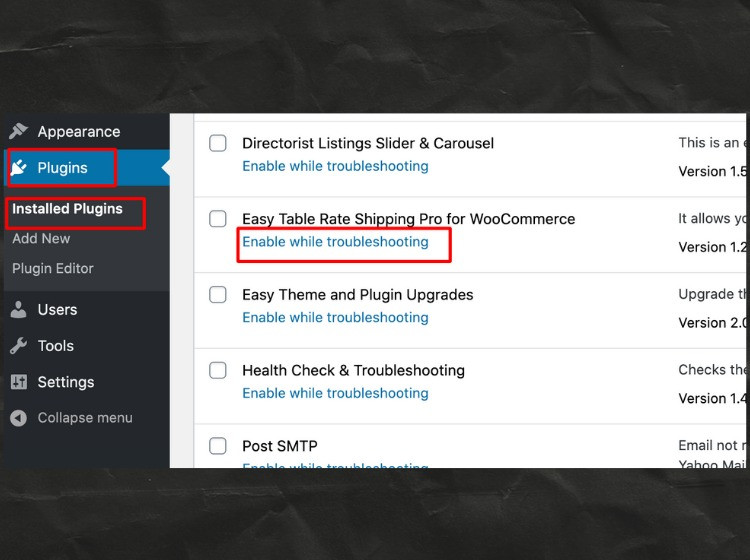
Another useful practice is enabling WordPress debugging during controlled troubleshooting. Debugging information can reveal PHP warnings, coding errors, and other problems that might otherwise remain hidden. However, debugging details should never be displayed publicly on a live website because they may expose sensitive technical information.
Resolving WordPress Critical Errors After PHP Changes
A PHP version change can improve website performance and security, but it may also expose compatibility problems in older website components. When users encounter a wordpress critical error after php update they should first determine whether the website's theme, plugins, and custom code support the newly selected PHP version.
Checking the hosting control panel and reviewing PHP error logs can help identify incompatible functions or extensions. If the issue started immediately after a PHP upgrade, testing the website with a previously supported PHP version may help confirm whether compatibility is responsible. Any temporary version change should follow the hosting provider's security recommendations, and administrators should work toward upgrading or replacing outdated components rather than relying on unsupported PHP versions.
Website owners should also check whether the latest versions of WordPress, plugins, and themes are installed. If custom code is involved, a qualified developer can review it and update deprecated functions. Testing these changes in a staging environment before applying them to the live website can help prevent further disruptions.
Conclusion
WordPress critical errors can interrupt content editing, affect website performance, and create unnecessary challenges for website administrators. However, understanding plugin conflicts, theme compatibility, PHP requirements, and server configurations makes troubleshooting more manageable. Regular backups, careful updates, debugging, and preventive maintenance can significantly reduce the risk of recurring problems. When technical issues become complicated, professional assistance can help restore functionality and maintain long-term website stability. For dependable WordPress troubleshooting, maintenance, and development assistance, 360xpertsolution.com can help businesses address technical challenges and keep their websites operating smoothly.
