Fire Assay Methods Ensure Gold Purity And Trust
Author : karatscope karatscope | Published On : 06 Sep 2026
Gold has long been valued for its beauty, scarcity, and financial importance. Whether it is being mined, refined, traded, recycled, or evaluated for investment, knowing its actual purity is essential. Gold can appear exceptionally valuable while containing different proportions of other metals. This is why professional assaying plays such an important role in the precious metals industry.
An assay determines the quantity and quality of precious metal present in a sample. Among the established analytical methods, fire assay is widely recognized for its ability to provide highly reliable results when performed under controlled laboratory conditions. By combining traditional metallurgical principles with careful laboratory procedures, assaying can help establish a trustworthy understanding of a material's gold content.
What Is a Fire Assay Laboratory?
A fire assay laboratory is a specialized facility where samples containing precious metals are examined using high-temperature analytical techniques. The method has been used for centuries and remains important because it can provide highly accurate measurements of gold in ores, concentrates, metallic materials, and other samples.
The process generally begins with preparing a representative sample. The material may be crushed, mixed, and carefully measured so that the portion selected for analysis accurately represents the larger quantity. The prepared sample is then combined with suitable fluxes and subjected to controlled heating.
During the heating stage, unwanted materials separate from the precious metal. Through a sequence of melting and separation steps, the gold can eventually be isolated and measured. Because the procedure requires precision at multiple stages, trained personnel, appropriate equipment, and controlled laboratory conditions are essential for dependable results.
Why Accurate Gold Assaying Matters
Gold purity directly influences value. A material described as high-purity gold should contain a correspondingly high percentage of gold, while lower-purity material may contain significant amounts of silver, copper, or other metals. Without proper testing, it can be difficult to determine the actual composition simply by looking at the material.
Accurate assaying therefore supports informed decisions throughout the precious metals supply chain. Miners can better understand the quality of their production, refiners can evaluate incoming materials, traders can establish appropriate valuations, and buyers can have greater confidence in what they are purchasing.
Reliable testing can also help reduce disagreements between parties. When a transaction depends on the precise quantity of gold contained in a material, independent analytical results provide an objective basis for valuation.
How Fire Assay Determines Gold Content
The fundamental strength of fire assay comes from its controlled separation of precious metals from other components. Once the sample has been properly prepared, it undergoes a high-temperature process designed to separate the valuable metal from unwanted substances.
After the initial melting stage, further treatment may be used to isolate the gold-bearing portion. The resulting material can then be evaluated using precise weighing or additional analytical procedures. Every stage matters because an error in sample preparation, measurement, temperature control, or separation can influence the final result.
For this reason, professional laboratories follow established procedures and maintain careful quality controls. Proper documentation and repeat testing can further strengthen confidence in the reported outcome.
The Importance of Assay Certified Gold
For buyers and sellers, documentation can be just as important as the physical metal itself. assay certified gold refers to gold that has been tested and accompanied by documentation indicating its measured characteristics, such as purity or fineness.
Certification gives market participants a clearer basis for evaluating gold. Instead of relying solely on appearance, claims, or assumptions, they can refer to analytical information generated through an established testing process.
However, it is important to understand what certification represents. An assay report generally reflects the results obtained from the particular sample submitted for testing. The quality of the sampling process is therefore crucial. A laboratory can accurately analyze a sample, but the result will only represent the larger material if the sample itself is representative.
Sampling Is A Critical Part Of The Process
One of the most overlooked aspects of precious metal testing is sampling. Gold may not always be distributed evenly throughout an ore, concentrate, or recycled material. A small portion can therefore differ substantially from another portion of the same batch.
Representative sampling helps minimize this problem. Material should be prepared and homogenized according to appropriate procedures before a test portion is selected. In commercial settings, careful sampling can be especially important because large financial decisions may depend on relatively small analytical samples.
This demonstrates why a trustworthy assay is not simply about placing material into a furnace. It involves an entire chain of procedures, beginning with sample collection and preparation and continuing through analysis, documentation, and reporting.
Fire Assay Compared With Modern Analytical Methods
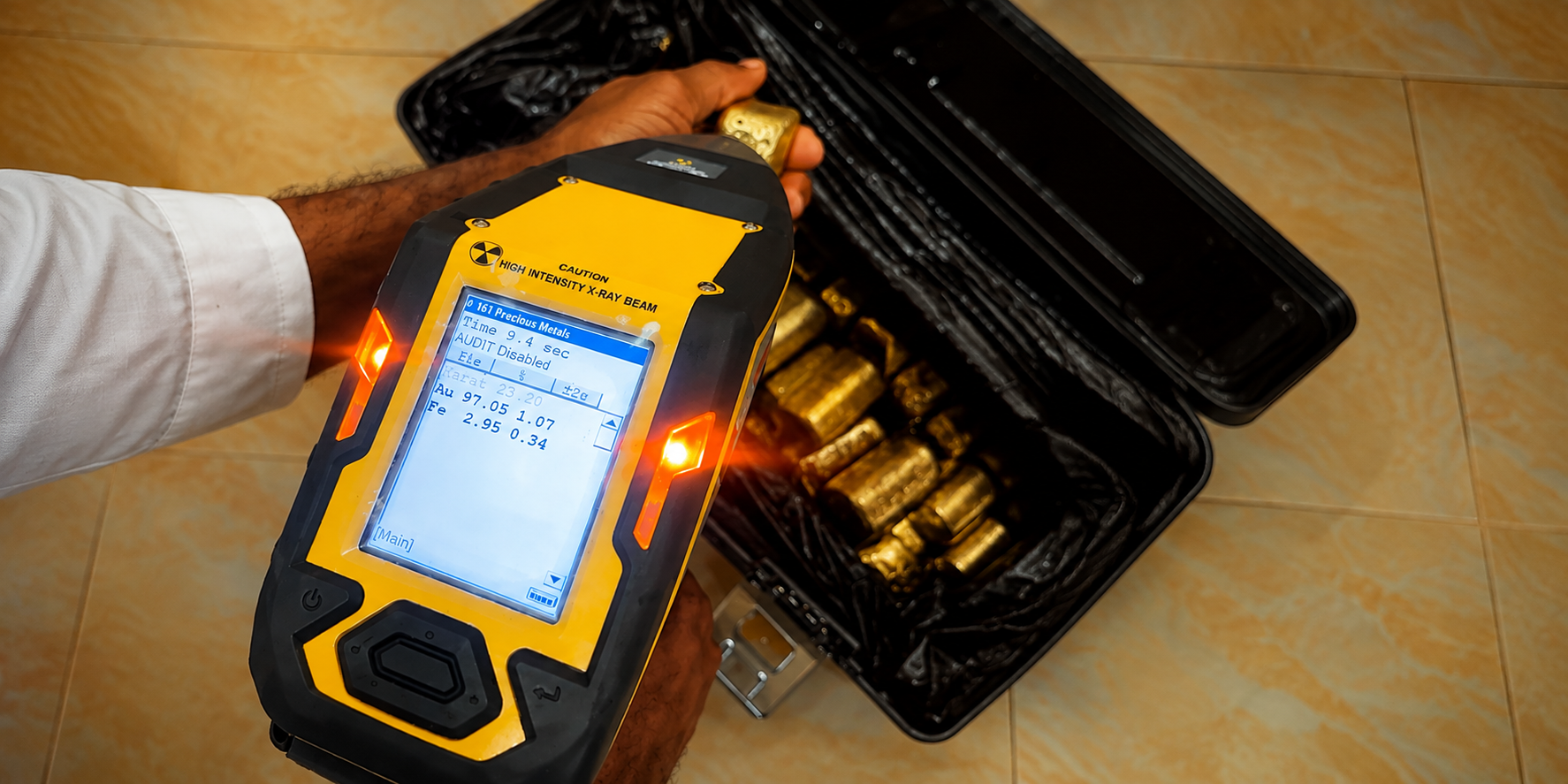
Modern laboratories have access to several analytical technologies, each offering particular advantages. Instrument-based techniques can provide rapid measurements and may be highly useful for screening or determining multiple elements. Fire assay, however, continues to hold an important position when highly reliable gold determination is required.
In many professional environments, different analytical methods can complement one another. One technique may provide rapid preliminary information, while another serves as a more definitive measurement. The appropriate method depends on the type of material, the required accuracy, the purpose of the test, and the laboratory's established procedures.
The key consideration is not simply whether a method is traditional or modern. Instead, attention should be given to validated methodology, competent personnel, quality assurance, proper calibration, and transparent reporting.
Building Confidence Through Laboratory Quality
A credible assay depends on more than sophisticated equipment. Laboratory quality systems help ensure that procedures are performed consistently and that results can be traced back to the samples and analytical processes used.
Good laboratory practices may include controlled sample handling, instrument checks, reference materials, duplicate testing, accurate weighing, documented procedures, and appropriate record keeping. These measures help identify potential problems and increase confidence in the final result.
For commercial gold transactions, such reliability can make a substantial difference. Even a small variation in reported purity can affect the valuation of a significant quantity of precious metal. Consistent testing therefore contributes to transparency and efficiency throughout the market.
