Finding Right Solutions for Your Manufacturing Needs
Author : Ayesha Diaz | Published On : 29 May 2026
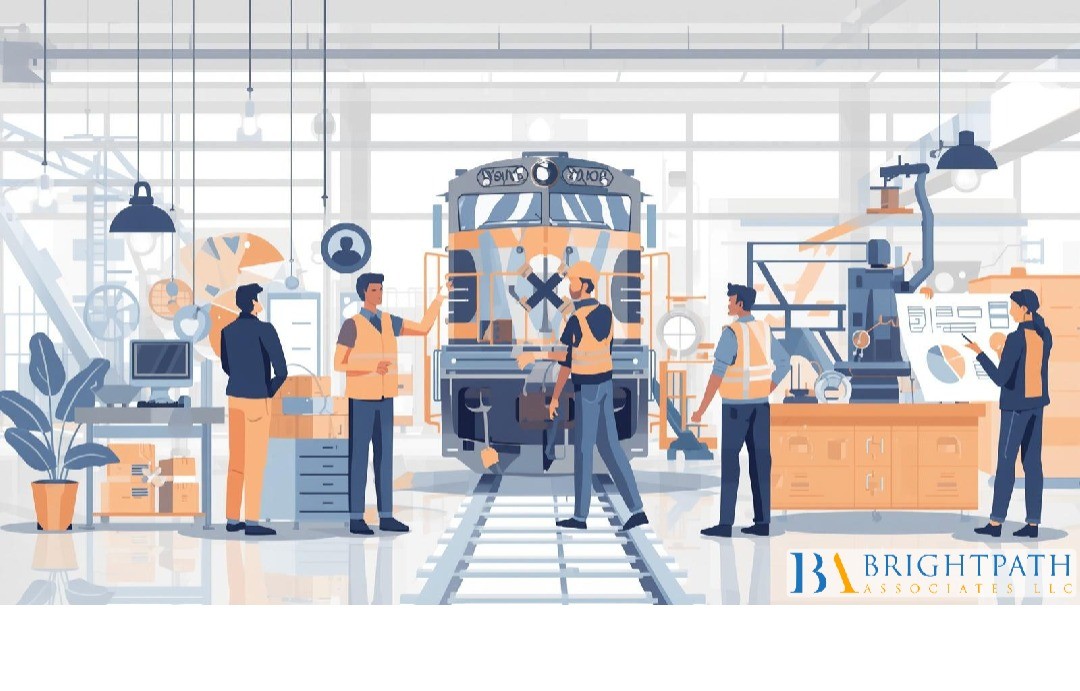
For small to mid-sized enterprises (SMEs) in the American machinery and industrial manufacturing sector, the business landscape has never been more demanding. Executive leadership and entrepreneurial owners are currently balancing a complex trifecta of challenges: accelerating the adoption of Industry 4.0 technologies, mitigating persistent supply chain vulnerabilities, and capturing market share against heavily capitalized global conglomerates.
Yet, when you sit down with a Chief Operating Officer (COO) or a human resources strategist at a mid-market machinery plant, the conversation rarely centers entirely on hardware, raw materials, or capital expenditures. Instead, it almost always focuses on human capital.
The primary constraint on growth for mid-sized manufacturers is not a lack of market demand, but the critical difficulty of identifying, attracting, and retaining specialized talent capable of steering technical innovation. This analysis addresses why traditional hiring strategies are falling short in the modern industrial landscape and establishes a blueprint for building high-performing operational and engineering teams.
Mid-Market Dilemma: High Complexity, Finite Resources
Large-scale Original Equipment Manufacturers (OEMs) possess the financial leverage to absorb long recruitment vacancies and maintain dedicated internal talent acquisition teams. For small to mid-sized machinery businesses, however, a vacant Plant Manager role or an open Senior Mechanical Design Engineer position can stall product development timelines and impact operational efficiency for months.
The issue is further complicated by a profound shift in the required skill sets. Modern heavy equipment manufacturing, precision tooling, and industrial automation require a convergence of physical engineering and digital intelligence. Machinery leaders can no longer look for traditional manufacturing backgrounds alone; they must secure professionals who understand industrial robotics, advanced CAD/CAM software simulation, and predictive maintenance frameworks.
When small and mid-sized enterprises rely on generic job boards to fill these highly specialized roles, they often face a flood of unqualified resumes. This administrative burden strains internal HR teams and significantly increases the overall time-to-hire.
Redefining Your Talent Framework: Three Core Pillars
Overcoming this talent deficit requires shifting away from reactive, ad-hoc hiring and adopting a structured, proactive talent strategy. To build a resilient workforce, machinery manufacturers should focus on three foundational pillars:
1. Prioritizing Strategic Leadership in Engineering & Operations
The success of a manufacturing facility depends heavily on its leadership. Mid-market organizations frequently struggle because they promote individuals based solely on technical tenure rather than leadership capacity.
Whether recruiting an external candidate or evaluating internal talent for roles like Vice President of Engineering, R&D Director, or Plant Manager, businesses must assess core leadership competencies alongside technical experience. The ideal professional should possess deep knowledge of Lean manufacturing principles or Six Sigma frameworks, while also demonstrating the strategic vision required to guide cross-functional teams through digital transformation.
2. Cultivating Specialized, Future-Proof Technical Networks
To remain competitive, small and mid-sized businesses need direct access to specialized talent pools before a critical vacancy even opens. This requires active engagement with passive candidates—highly skilled engineers, automated system designers, and process improvement experts who are not actively searching job boards but are open to the right strategic opportunity.
Partnering with an executive search firm that maintains specialized industry focus ensures your business can connect with these talent pools. For specialized insights on navigating this technical talent landscape, you can review our strategic overview of the machinery industry.
3. Standardizing Collaborative Recruitment Workflows
A long, uncoordinated interview process is a major reason why mid-sized businesses lose top talent to competitors. When a qualified candidate must navigate multiple disconnected interviews over several weeks, engagement drops, and they often accept other offers.
[Define Ideal Candidate Profile] ➔ [Rigorous Multi-Stage Screening] ➔ [Structured Calibration] ➔ [Seamless Onboarding]
C-suite executives and talent acquisition specialists must collaborate to establish clear, standardized hiring workflows. This includes setting clear criteria for the ideal candidate profile, using objective technical assessments, and defining a clear, multi-stage interview schedule that keeps candidates informed and engaged throughout the process.
The True Financial Impact of Talent Misalignment
When facing critical resource constraints, it can be tempting to expedite a hiring decision to fill an open role quickly. However, in specialized fields like industrial automation and heavy machinery design, a bad hire can carry significant hidden costs.
Beyond direct recruitment expenditures, the total financial impact of an incompatible hire includes:
-
Reduced Operational Throughput: Slower production cycles and increased downtime caused by inefficient operational oversight.
-
Stalled Innovation Roadmaps: Delayed product releases or design errors that require costly mid-production corrections.
-
Cultural Disruption: Increased strain on remaining engineering and operations teams, often leading to secondary turnover.
By shifting focus from simply filling positions quickly to identifying long-term strategic alignments, mid-market organizations can dramatically reduce these operational risks. Adopting specialized, tailored search methodologies allows companies to protect their margins and ensure that new leaders contribute positively to organizational culture and business growth from day one.
Elevating Your Manufacturing Strategy
Building an agile, high-performing manufacturing team requires moving past old, transactional hiring habits. It demands a deliberate, expert approach that treats talent acquisition as a core driver of business growth rather than an administrative task. For a deeper analysis of optimizing your operational setups and aligning hiring practices with manufacturing demands, read our comprehensive guide on finding right solutions for your manufacturing needs.
Ultimately, the small to mid-sized machinery manufacturers that thrive over the next decade will be those that recognize talent as their most valuable asset. Investing in targeted, industry-specific executive search strategies helps mid-market enterprises level the playing field, secure top-tier leadership, and convert workforce stability into a lasting competitive advantage.
