Facilities Maintenance Management: Ensuring Optimal Performance
Author : Ross Lichtig | Published On : 13 Mar 2026
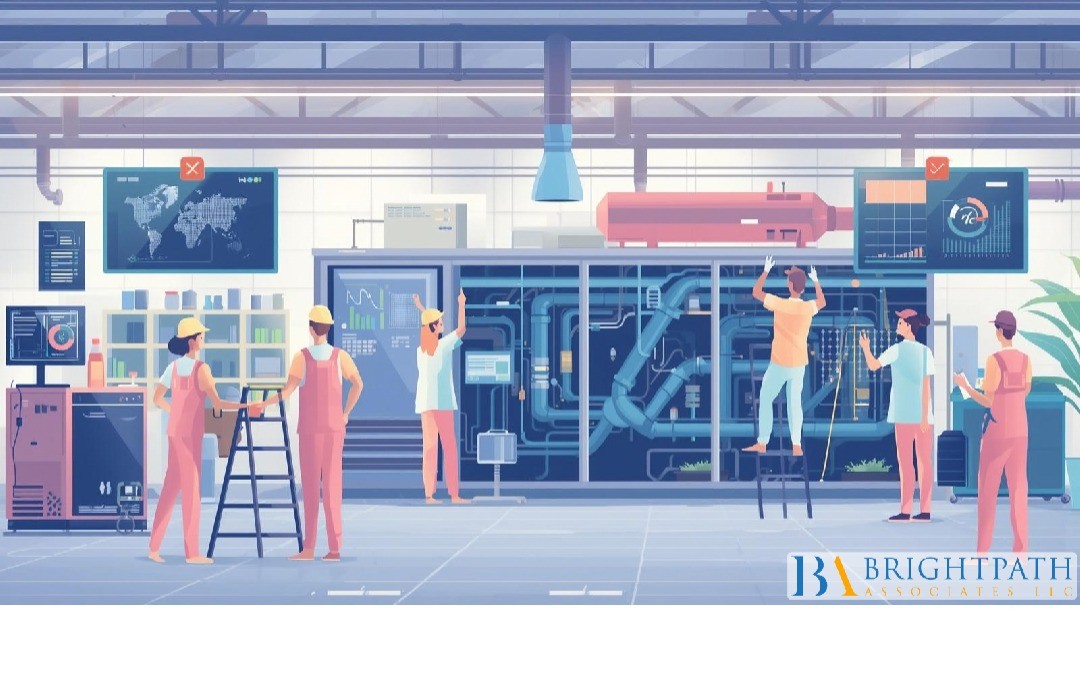
In the dynamic business environment of 2026, facilities services have evolved far beyond traditional cleaning and janitorial duties. Facilities maintenance management is now recognized as a strategic function essential for operational continuity, safety, cost optimization, and workforce productivity. For executives, facility directors, and organizational leaders, mastering the art and science of maintenance management isn’t just an operational necessity — it’s a competitive advantage.
This article explores the role of facilities maintenance management in driving operational excellence, risk mitigation, and long-term sustainability, with a focus on how strategic planning, technological innovation, and leadership intersect to create optimal performance.
What Is Facilities Maintenance Management and Why It Matters
Facilities maintenance management refers to the organized process of ensuring that a company’s facilities, equipment, infrastructure, and assets operate efficiently, safely, and cost-effectively. It encompasses scheduled maintenance, repairs, compliance requirements, inspections, asset tracking, and response protocols to ensure minimal disruption to daily operations. Effective maintenance strategies help companies reduce emergency repairs, extend equipment lifecycles, and support broader business objectives.
In the Facilities Services field — which spans building upkeep, commercial cleaning, janitorial services, HVAC systems, property management, and more — maintenance management serves as the backbone that supports operational productivity, employee well-being, and client satisfaction.
Key Benefits of Strategic Maintenance Management
-
Enhanced Operational Efficiency: When preventive maintenance is scheduled consistently, businesses avoid costly breakdowns and unplanned downtime. Strategic maintenance alignments ensure equipment is serviced before faults escalate — saving time, labor costs, and reputation.
-
Safety and Compliance Assurance: Regular maintenance ensures that facilities adhere to health, safety, and regulatory requirements. This alignment with compliance standards protects employees, tenants, and visitors and reduces corporate liability risks.
-
Cost Optimization and Predictability: A robust maintenance plan allows organizations to forecast maintenance costs accurately, allocate budgets intelligently, and minimize expensive reactive repairs. Predictive and preventive strategies lead to lower lifecycle costs for facilities assets.
-
Asset Longevity: Regular condition assessments and timely interventions extend the useful life of physical assets — from HVAC systems to structural components — ensuring sustained operational performance year after year.
-
Employee Satisfaction and Productivity: A well-maintained facility enhances employee comfort, safety, and morale. Building a reputation for high standards in workplace signals that an organization values its people, which can improve retention and performance.
Best Practices for Facilities Maintenance Management
Achieving optimal performance in maintenance management requires more than routine checklists. Forward-thinking organizations implement structured systems supported by data, technology, and human capital.
-
Preventive and Predictive Maintenance: Developing robust preventive maintenance schedules is foundational. Organizations that anticipate maintenance needs prevent small malfunctions from becoming large operational disruptions. By incorporating advanced analytics and condition monitoring, companies are moving toward predictive maintenance, where data insights help forecast equipment failures before they occur.
-
Standardized Processes and Documentation: Consistency is critical. Standard operating procedures (SOPs), inspection logs, documented workflows, and performance baselines ensure that maintenance tasks are executed uniformly across the organization. Standardization reduces variability, minimizes errors, and accelerates onboarding of new maintenance personnel.
-
Real-Time Data and Digital Tools: Organizations that adopt digital tools, such as computerized maintenance management systems (CMMS) or integrated workflow platforms, gain real-time visibility into asset performance, work orders, and maintenance histories. These systems centralize data, streamline task assignments, and enable faster, more informed decision-making.
-
Cross-Department Collaboration: Facilities maintenance doesn’t operate in isolation. Effective maintenance teams collaborate closely with HR, IT, finance, sustainability, and operational departments to align goals, share insights, and coordinate responses — especially for complex issues such as energy management or safety compliance.
Role of Outsourcing and Strategic Partnerships
For many small to mid-sized enterprises, scaling an in-house maintenance team for every specialist task is cost-prohibitive. Outsourcing through trusted facilities management partners can deliver expert capabilities across janitorial services, property management, and preventive maintenance without overhead burdens. Executive decision-makers recognize that outsourcing can transform maintenance from a cost center into a strategic value driver, enhancing operational focus while experts manage execution.
Talent, Leadership, and Future-Ready Facilities Teams
As operational complexity grows, so does the demand for leaders capable of bridging maintenance excellence with business strategy. The facilities services industry faces talent shortages, particularly in specialized maintenance and management roles. Executive hiring partnerships — like those offered by BrightPath Associates LLC — connect organizations with leaders who possess both technical expertise and strategic vision. Placing the right leadership talent into key maintenance and facilities roles accelerates innovation and reinforces performance culture.
Investing in leadership ensures that your facilities maintenance strategy is not only executed efficiently today but evolves with tomorrow’s operational demands.
Conclusion: Building Resilience Through Maintenance Excellence
Facilities maintenance management sits at the intersection of operational efficiency, safety, sustainability, and workforce productivity. Leading companies recognize that a structured maintenance strategy doesn’t merely support facility operations — it drives competitive differentiation and long-term business value.
Whether through preventive programs, technology integration, outsourcing partnerships, or strategic leadership recruitment, facilities leaders who prioritize maintenance excellence position their organizations for resilience and growth.
For more details on how forward-looking facilities services can transform your operations, revisit the original analysis here: Facilities Maintenance Management.
