Exhibition Stand Construction in Frankfurt for Organised Exhibition Planning
Author : Emily Wilson | Published On : 16 Nov 2026
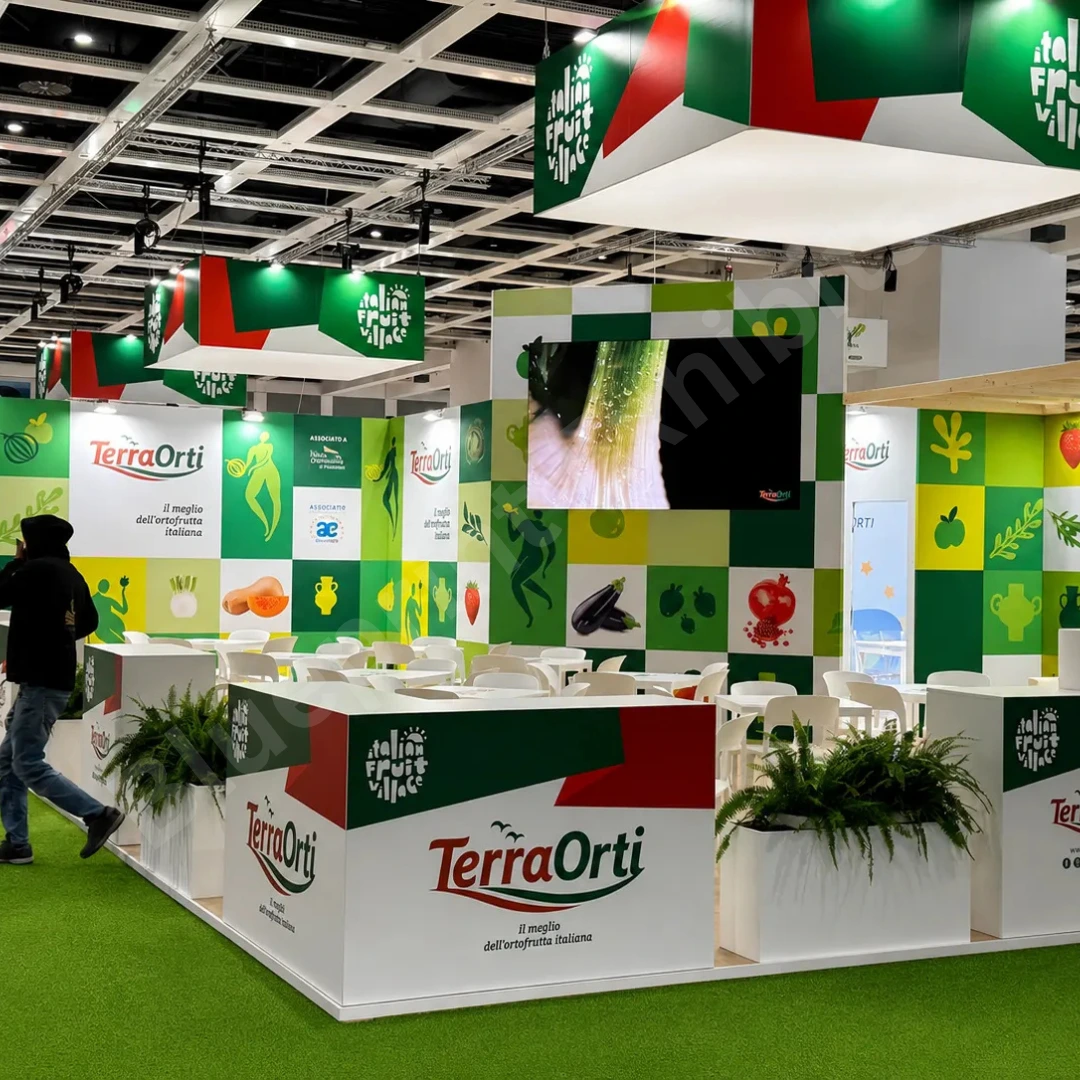
Exhibitions provide businesses with an opportunity to introduce their products, meet potential customers, and develop valuable industry connections. However, participating in a trade fair requires more than simply booking a space and displaying products. Every detail, from the initial design to the final installation, needs proper attention. A well-organised exhibition stand gives visitors a comfortable space to explore a brand while helping exhibitors manage their activities throughout the event.
Planning an Exhibition Stand with Clear Objectives
Successful exhibition participation begins with a clear understanding of business goals. Companies should decide what they want to achieve before starting the construction process. Some exhibitors focus on introducing new products, while others aim to generate enquiries, strengthen partnerships, or improve brand awareness.
A detailed plan helps determine the required floor space, display areas, meeting facilities, and visitor arrangements. It also makes it easier to divide responsibilities between different teams. When every stage follows an organised schedule, businesses can avoid unnecessary confusion and prepare their exhibition presence with greater confidence.
Creating a Layout That Supports Visitor Movement
The arrangement of an exhibition stand directly influences how visitors interact with the displayed products and services. A crowded layout can make it difficult for people to enter, explore, or speak with company representatives. Therefore, the available floor area should be divided carefully.
Product displays, reception counters, demonstration spaces, and seating arrangements should have clearly defined positions. Open entrances encourage visitors to approach the stand without hesitation. Proper lighting and readable graphics also help people identify important information from a distance.
Careful Exhibition Stand Construction in Frankfurt allows businesses to combine these practical requirements with their preferred visual style. The objective should be to create a space that looks attractive while remaining easy to navigate during busy exhibition hours.
Selecting Suitable Materials and Construction Methods
Material selection is another important part of exhibition preparation. The chosen materials influence the stand's appearance, durability, transportation requirements, and installation process. Wood, aluminium structures, fabric graphics, glass elements, and modular components can all serve different purposes depending on the project.
Businesses should consider their budget, exhibition duration, venue conditions, and reuse requirements before making a decision. Modular structures can be useful for companies attending multiple events because certain components can be adapted for different floor plans.
Quality construction also requires accurate measurements and proper finishing. Each component should be checked before transportation to reduce the possibility of missing parts or installation problems at the venue.
Connecting Design with Brand Communication
An exhibition stand should communicate the company's identity without overwhelming visitors with unnecessary information. Colours, graphics, logos, product displays, and lighting should work together to create a consistent presentation.
Good Exhibition Stand Design in Frankfurt considers both visual appearance and practical communication. Important messages should be easy to understand, while product information should remain accessible to interested visitors. Digital screens, product samples, and interactive demonstrations can make the presentation more engaging.
Blueprint Exhibits focuses on developing exhibition spaces that reflect individual business requirements. A thoughtful combination of layout planning, suitable materials, and brand elements can help exhibitors present their offerings in an organised manner.
Managing Timelines Before the Exhibition
Time management is essential when preparing for a major trade fair. Construction work involves several connected activities, including design approval, material selection, production, transportation, installation, and final inspection. Delays in one area can affect the entire schedule.
Companies should establish deadlines for every stage and maintain regular communication with their exhibition partners. Venue regulations, access times, technical requirements, and safety guidelines must also be reviewed in advance.
Businesses preparing for Upcoming exhibitions in Frankfurt should begin their arrangements early. Advance preparation provides enough time to make design adjustments, confirm technical details, and resolve unexpected issues before the event begins.
Coordinating Installation and On-Site Requirements
The construction process does not end when the stand components reach the exhibition venue. Proper installation is necessary to ensure that every element is positioned correctly and functions as expected.
The installation team should follow approved drawings and check electrical connections, lighting arrangements, graphics, counters, and display equipment. Walkways should remain clear, and all structures must comply with the venue's safety requirements.
A final inspection before the exhibition opens can identify small problems that might otherwise affect the visitor experience. Companies should also keep essential contact details and maintenance arrangements available during the event.
Maintaining an Organised Exhibition Experience
Once the exhibition starts, the stand needs regular attention. Staff members should understand their responsibilities, product displays should remain presentable, and visitor enquiries should be handled efficiently.
A clean reception area, accessible brochures, organised product samples, and comfortable discussion spaces make daily operations easier. Teams should also coordinate breaks and maintain communication so that visitors receive proper assistance throughout the exhibition.
Blueprint Exhibits understands that successful exhibition participation involves more than constructing an attractive structure. Consistent planning and attention to practical details help businesses manage their exhibition activities more effectively.
Conclusion
Organised exhibition planning requires careful coordination between design, construction, materials, scheduling, and on-site management. Each stage contributes to creating a functional space where businesses can communicate with visitors and present their products confidently. By preparing early, selecting appropriate construction methods, and maintaining clear timelines, exhibitors can reduce last-minute difficulties. A properly planned exhibition stand also makes better use of available space and supports smoother event operations. With the right approach, businesses can make their participation in Frankfurt trade fairs more productive and professionally organised.
Contact us: +48 662 233 749
E-mail : [email protected]
#exhibitionstandbuilder #exhibitionstanddesign #boothconstruction #boothbuilder #exhibitioncontractor #exhibitionstandconstruction #standconstruction
