Evolution of Environmental Consulting: From Compliance to Strategic Partnership
Author : Ellen Gomes | Published On : 28 Sep 2026
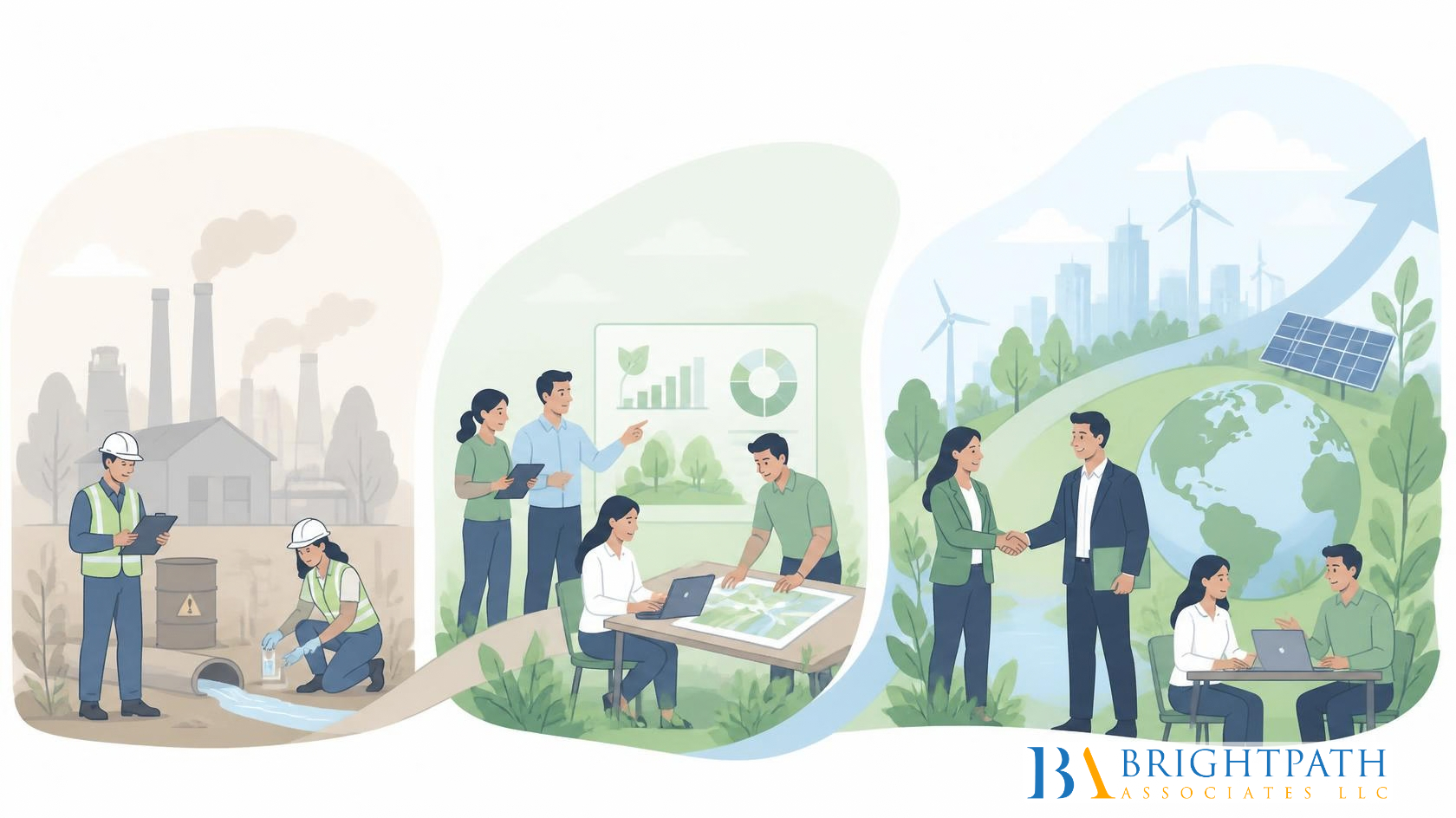
Environmental consulting has undergone a significant transformation. What was once primarily viewed as a specialized service for meeting regulatory requirements has increasingly become a strategic business function. Organizations today are asking environmental consultants to do more than interpret regulations or prepare compliance reports. They want partners who can help them manage risk, improve operational performance, navigate sustainability expectations, and identify opportunities for long-term growth.
This evolution is particularly important for small and mid-sized companies. Unlike large corporations with extensive internal environmental, legal, engineering, and sustainability teams, many growing businesses depend on external expertise to navigate increasingly complex environmental requirements while maintaining commercial momentum.
The result is a changing relationship between businesses and environmental consulting firms—one that increasingly resembles a strategic partnership rather than a traditional advisory arrangement.
Environmental Consulting Is Moving Beyond Compliance
Historically, environmental consulting was often associated with regulatory compliance. Companies engaged consultants to conduct environmental assessments, prepare documentation, support permitting activities, investigate contamination, or address specific regulatory obligations.
Compliance remains fundamental, but the scope of environmental risk has expanded. Companies now face interconnected challenges involving sustainability, resource efficiency, waste management, emissions, water usage, climate-related risks, stakeholder expectations, and increasingly data-driven environmental management.
This means environmental consultants must understand more than regulations. They need to understand how environmental decisions affect operations, capital investment, supply chains, reputation, and business strategy. The broader Environmental Services Industry is consequently becoming an increasingly important component of corporate decision-making.
Why Businesses Need Strategic Environmental Partners
The difference between a traditional consultant and a strategic partner often comes down to timing. A traditional compliance approach may ask, "Are we meeting the applicable requirement?"
A strategic approach asks additional questions: "What risks are emerging? What will changing requirements mean for our operations? Where can environmental improvements reduce costs? How can technology improve monitoring? Which investments will strengthen resilience?"
This broader perspective allows environmental expertise to become integrated into business planning. Environmental consulting therefore has the potential to influence decisions before problems occur.
For example, a manufacturer evaluating a new facility may need to consider permitting, wastewater management, air emissions, waste handling, energy consumption, site conditions, and future regulatory requirements. Addressing these issues early can influence facility design and investment decisions rather than forcing expensive modifications later.
Data Is Changing the Consulting Relationship
Technology is another major force reshaping environmental consulting. Digital monitoring systems, sensors, analytics platforms, remote measurement technologies, and increasingly sophisticated data-management tools are making environmental performance more visible.
Instead of relying exclusively on periodic assessments, organizations can increasingly use continuous or near-real-time information to understand environmental conditions and operational performance.
This creates an opportunity for consultants to move from reporting historical conditions toward helping clients interpret information and make better decisions. For executives, the value is not simply having more environmental data. The real value comes from turning that data into actionable insight.
Environmental consultants who can connect environmental measurements with operational performance, financial considerations, and risk management can become significantly more valuable to business leadership.
What This Means for C-Suite Leaders
For CEOs, COOs, CFOs, and other senior executives, the changing role of environmental consulting presents an important strategic consideration. Environmental expertise should not necessarily sit at the edge of business planning.
Environmental risks can affect capital projects, operational continuity, regulatory exposure, customer relationships, insurance considerations, and long-term growth. Bringing environmental expertise into strategic conversations earlier can help organizations identify potential issues before they become costly obstacles.
The key question is no longer simply whether a company has an environmental consultant. The more important question may be whether that consultant understands the company's business well enough to contribute to strategic decision-making.
The Next Generation of Environmental Consulting
Environmental consulting is likely to continue evolving as technology, regulation, sustainability expectations, and business priorities converge. The firms that create the greatest value for clients will increasingly need to combine technical expertise with strategic thinking, data capabilities, communication skills, and commercial awareness.
That question deserves attention from founders, CEOs, HR leaders, and talent acquisition professionals—not only when a leadership vacancy appears, but when the organization's strategic direction is being defined.
For a deeper examination of how environmental consulting is evolving from a compliance-focused service toward a strategic relationship, explore Evolution of Environmental Consulting: From Compliance to Strategic Partnership.
A Strategic Opportunity for Environmental Services Leaders
The transformation of environmental consulting represents more than a change in terminology. It reflects a broader shift in how businesses perceive environmental expertise.
Compliance remains the foundation, but strategic value increasingly comes from helping organizations anticipate risks, interpret data, improve performance, and connect environmental objectives with business outcomes.
For environmental services companies, that evolution creates both an opportunity and a challenge: building teams capable of delivering this higher level of value. If your environmental services organization is looking to strengthen its leadership team with executives and specialized professionals who understand the industry's evolving demands, connect with BrightPath Associates LLC to discuss your talent and executive recruitment requirements.
