Essential Protection Systems for Worker Safety at Elevated Heights
Author : Delta Plus Middle East FZe | Published On : 19 Mar 2026
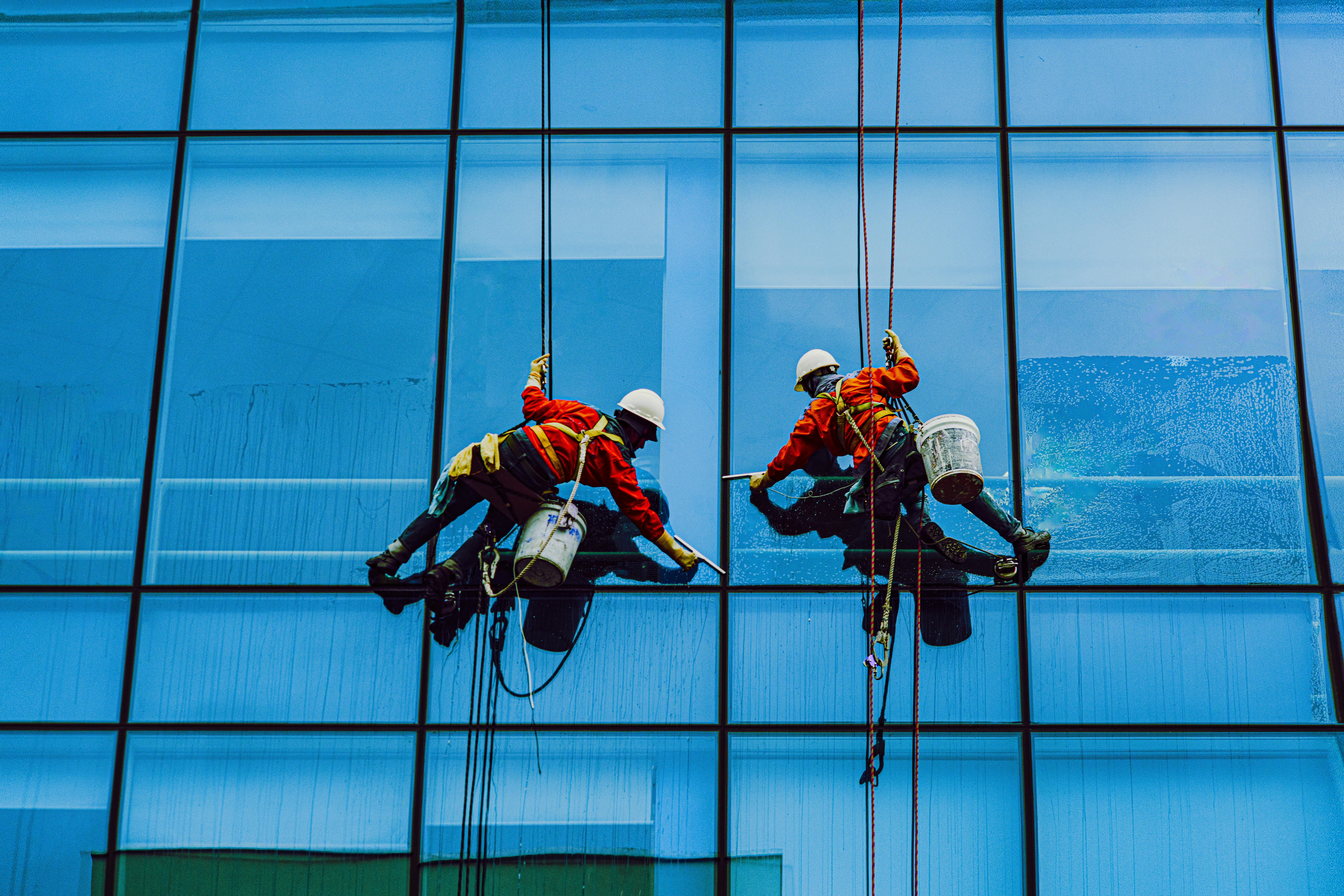
Early one morning, as the city slowly came to life, Arun stepped onto the steel framework of a rising building. Below him, traffic moved like tiny streams of light. Above him, cranes lifted materials with precision. Every step he took required balance, focus, and trust, not just in his skills, but in the safety harness that connected him securely to the structure.
For professionals who work at heights, this connection is more than equipment. It is their lifeline, quietly ensuring that a single misstep does not turn into a life-altering accident. In such environments, even routine tasks carry inherent risks. Strong winds, sudden movements, or momentary distractions can challenge stability and increase the chance of falls. This is why reliable fall protection systems are essential for anyone working above ground level. They provide a critical layer of security, allowing workers to perform their responsibilities efficiently while significantly reducing the likelihood of serious injury.
The Growing Importance of Protection in Elevated Work Environments
Many industries depend on workers performing tasks above ground level. Construction crews, maintenance teams, electricians, and industrial inspectors regularly operate in elevated environments. These roles keep essential systems running, but they also come with real risks.
Even experienced professionals can face unexpected situations. A slippery surface, sudden movement, or loss of balance can occur in seconds. Gravity does not give second chances. This is why fall protection has become one of the most critical aspects of workplace safety.
Understanding the Real Impact of Fall Protection
A fall from height can cause serious injury or worse. But the right protective system transforms a dangerous situation into a manageable one.
Fall protection equipment works by:
- Preventing falls from happening
- Limiting the distance of a fall
- Reducing the impact on the body
- Keeping the worker suspended safely until rescue
This approach ensures that even in worst-case scenarios, lives are protected.
The Equipment That Makes Elevated Work Possible
Modern fall protection systems are designed to provide both security and comfort. Among the most important components is the safety harness belt, which distributes fall forces evenly across the body.
Unlike older designs that focused on basic restraint, modern harness systems prioritize ergonomic support. They allow workers to move freely while staying connected to secure anchor points.
Key components of a typical fall protection system include:
- Full-body harness
- Connecting lanyard or lifeline
- Secure anchor point
- Connectors and attachment hardware
Together, these components create a reliable safety network.
Designed for Both Safety and Comfort
Comfort plays a major role in safety. Equipment that feels restrictive or uncomfortable is less likely to be used correctly.
Modern harness systems are designed with:
Balanced Weight Distribution
Straps spread force across stronger areas of the body, reducing injury risk during a fall.
Adjustable Fit
Multiple adjustment points ensure the harness fits securely without restricting movement.
Breathable Materials
Lightweight fabrics improve comfort during long hours, especially in hot environments.
Freedom of Movement
Flexible designs allow workers to climb, bend, and move naturally.
When workers feel comfortable, they remain focused and confident.
Preventing Accidents Before They Happen
Fall protection is not just about reacting to accidents, it is about preventing them entirely.
Proper harness use helps workers:
- Maintain secure positioning
- Stay stable on elevated surfaces
- Reduce fear and hesitation
- Work efficiently without unnecessary risk
This proactive protection supports both safety and productivity.
The Importance of Proper Training
Equipment alone cannot guarantee safety. Workers must understand how to use it correctly.
Training should include:
- How to wear and adjust the harness properly
- How to inspect equipment before use
- How to connect to anchor points securely
- How to recognize potential hazards
Well-trained workers become more aware of their surroundings and better prepared to handle challenges.
Inspection and Maintenance Keep Protection Reliable
Like any protective equipment, harness systems must be inspected regularly.
Daily Visual Checks
Workers should look for worn straps, loose stitching, or damaged connectors. Even minor signs of wear should be reported immediately to prevent equipment failure during use.
Scheduled Inspections
Supervisors should conduct detailed inspections at regular intervals. These inspections ensure that hidden damage or gradual weakening is identified before it becomes a safety risk.
Proper Storage
Equipment should be stored in clean, dry environments away from direct sunlight and chemicals. Using designated storage areas also prevents accidental damage caused by improper handling or stacking.
Timely Replacement
Even high-quality equipment has a service life and must be replaced when needed. Following manufacturer-recommended replacement timelines helps maintain reliable protection at all times.
Routine care ensures reliable performance when it matters most.
Adapting to Different Work Environments
Every elevated job presents unique challenges. Fall protection systems must adapt to different situations, including:
- Construction projects
- Industrial maintenance
- Telecommunications work
- Warehouse operations
- Energy and utility services
Flexible designs ensure protection across a wide range of environments.
Strengthening Workplace Safety Culture
Safety is not just about equipment. It is about creating an environment where protection is a shared responsibility.
Organizations that prioritize fall protection benefit from:
- Reduced accident rates
- Improved worker morale
- Higher productivity
- Stronger industry reputation
When safety becomes part of daily routines, it creates lasting positive impact.
The Future of Fall Protection
Innovation continues to improve protective equipment. Manufacturers are developing harness systems that are lighter, stronger, and more comfortable.
Advancements include:
- Improved ergonomic designs
- Stronger materials with reduced weight
- Enhanced durability
- Better compatibility with modern tools and systems
These improvements help ensure that safety evolves alongside industry demands.
Conclusion
Working at heights will always involve risk, but the right protection transforms danger into manageable responsibility. Fall protection systems provide more than physical security, they provide peace of mind, confidence, and the freedom to perform essential work safely. Using reliable equipment such as a safety harness belt ensures that workers remain securely supported and protected even in unexpected situations.
Choosing reliable, well-designed protective solutions makes a meaningful difference in preventing injuries and protecting lives. Trusted manufacturers such as Delta Plus continue to support safer workplaces by delivering dependable fall protection equipment designed for real-world challenges. Because at the end of every shift, the most important outcome is ensuring that every worker returns safely to the ground.
