Era of Biotech Personalized Medicine: Tailoring Treatments
Author : Alex Turner | Published On : 31 Mar 2026
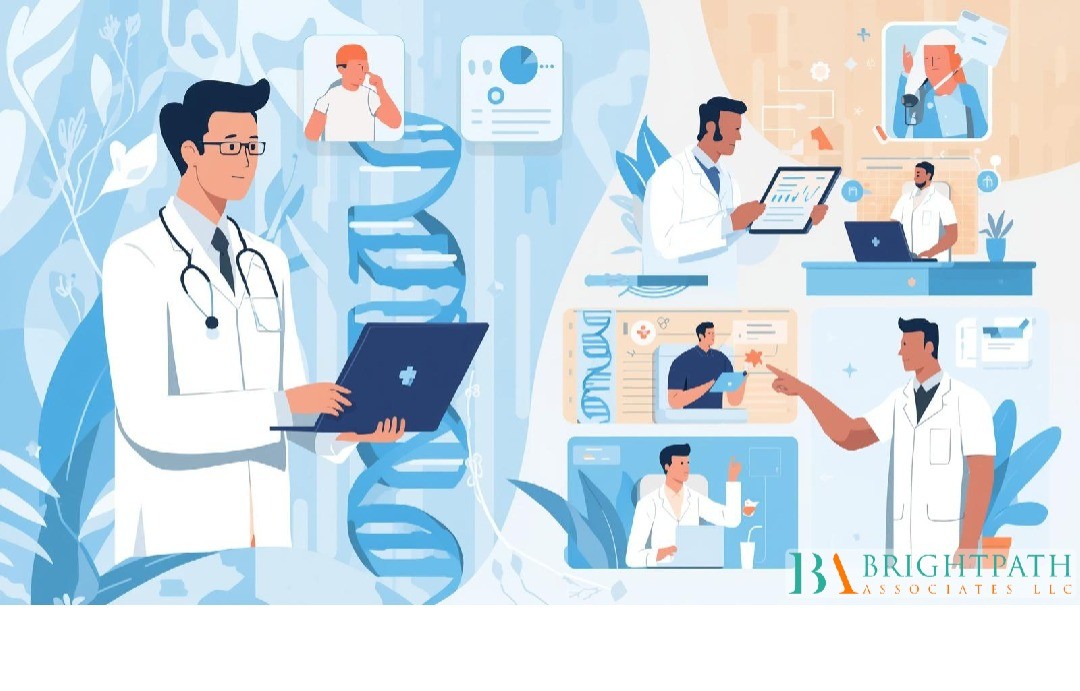
The biotechnology industry is entering a transformative era where healthcare is no longer defined by generalized treatments but by precision, personalization, and data-driven innovation. Personalized medicine—often referred to as precision medicine—is rapidly redefining how diseases are diagnosed, treated, and prevented. For small to mid-sized biotechnology companies across the United States, this shift represents not only a scientific breakthrough but also a strategic opportunity to lead in an increasingly competitive and innovation-driven market.
At its core, personalized medicine focuses on tailoring treatments to individual patients based on their genetic makeup, lifestyle, and environmental factors. Unlike traditional approaches that apply a one-size-fits-all model, personalized medicine enables healthcare providers to design targeted therapies that improve effectiveness and reduce adverse effects. This shift is being powered by advancements in genomics, biotechnology research, and digital innovation. As highlighted in industry insights, technologies such as gene therapy, artificial intelligence, and advanced data analytics are accelerating the development of therapies that address diseases at their root cause rather than merely managing symptoms.
One of the most significant drivers behind the rise of personalized medicine is the rapid advancement of genomics and gene-editing technologies. Tools like CRISPR and next-generation sequencing have made it possible to analyze genetic variations with unprecedented accuracy. These capabilities allow researchers to identify disease-causing mutations and develop targeted interventions that can correct them. Gene therapy, in particular, is revolutionizing treatment strategies by offering the potential to cure genetic disorders rather than simply treating their symptoms. This paradigm shift is transforming not only patient outcomes but also the broader healthcare ecosystem, as companies race to bring these groundbreaking therapies to market.
In parallel, artificial intelligence and machine learning are playing a pivotal role in accelerating personalized medicine. The ability to analyze vast datasets—from genomic sequences to clinical trial results—has enabled researchers to uncover patterns and insights that were previously impossible to detect. AI-driven platforms can predict how patients will respond to specific treatments, optimize drug discovery processes, and enhance clinical trial design. This integration of digital technologies with biotechnology is significantly reducing development timelines and costs, enabling companies to innovate faster and more efficiently.
Another critical aspect of personalized medicine is its impact on patient-centric care. As healthcare systems evolve, there is a growing emphasis on delivering treatments that are tailored to individual needs. Personalized therapies not only improve clinical outcomes but also enhance patient satisfaction by minimizing trial-and-error approaches. For biotechnology companies, this shift presents an opportunity to differentiate themselves by offering highly targeted and effective solutions. However, it also requires a deep understanding of patient data, regulatory frameworks, and technological integration.
Despite its immense potential, the adoption of personalized medicine comes with its own set of challenges. Regulatory complexity is one of the most significant hurdles, as authorities work to ensure the safety and efficacy of new therapies. The development of personalized treatments often involves intricate clinical trials, extensive data validation, and compliance with evolving regulatory standards. Additionally, the high cost of research and development can be a barrier, particularly for small to mid-sized companies with limited resources. However, as technology continues to advance and economies of scale are achieved, these barriers are expected to diminish over time.
Another pressing challenge is the growing demand for specialized talent. The shift toward personalized medicine requires professionals with expertise in genomics, bioinformatics, data analytics, and regulatory affairs. At the same time, leaders must possess the strategic vision to integrate these capabilities into cohesive business models. This has created a significant talent gap within the biotechnology industry, making it increasingly difficult for companies to find the right combination of technical and leadership skills. As the industry continues to evolve, organizations that prioritize talent acquisition and leadership development will be better positioned to capitalize on emerging opportunities.
This is where strategic recruitment becomes a critical enabler of success. At BrightPath Associates LLC, we partner with biotechnology companies to identify and place leaders who can drive innovation, manage complex regulatory environments, and scale operations effectively. By aligning talent strategies with industry trends, organizations can build teams capable of navigating the complexities of personalized medicine and achieving sustainable growth. To explore how leadership and innovation are shaping this sector, visit the Biotechnology Industry page.
Collaboration is also emerging as a key factor in advancing personalized medicine. Biotechnology companies, research institutions, and healthcare providers are increasingly working together to share data, resources, and expertise. These partnerships are accelerating the development of new therapies and enabling companies to overcome challenges related to scale and complexity. In addition, venture capital investment continues to fuel innovation, providing the financial support needed to bring cutting-edge treatments from the laboratory to the marketplace.
Looking ahead, the future of personalized medicine is filled with possibilities. Advances in synthetic biology, digital health platforms, and real-world data integration are expected to further enhance the precision and effectiveness of treatments. As these technologies mature, personalized medicine will become more accessible, enabling a broader range of patients to benefit from tailored healthcare solutions. At the same time, companies that embrace innovation and invest in leadership will be better equipped to navigate the evolving landscape and drive long-term success.
For decision-makers in the biotechnology industry, the rise of personalized medicine represents both a challenge and an opportunity. It requires a willingness to adapt, invest in new technologies, and rethink traditional approaches to healthcare. However, it also offers the potential to create significant value by improving patient outcomes, reducing healthcare costs, and driving innovation. Organizations that take a proactive approach to this transformation will be the ones that define the future of the industry.
To gain deeper insights into how personalized medicine is shaping the biotechnology landscape, you can explore the full original article here: Biotech Personalized Medicine. As the biotech industry continues to evolve, one question remains: is your organization ready to lead in the era of personalized medicine, or will it struggle to keep pace with rapid innovation? The future of healthcare is being written today, and the companies that act decisively will be the ones that shape it.
