EPR Law Readiness: Essential Steps for US Food Packaging Compliance
Author : Jimmy Patel | Published On : 07 Aug 2026
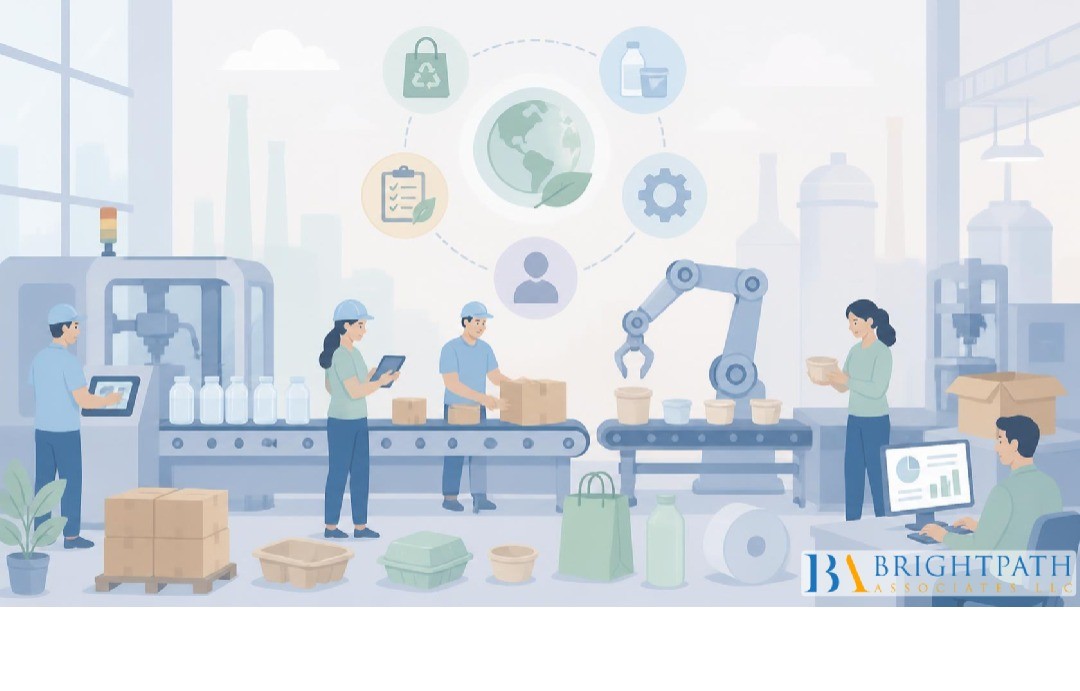
Regulatory compliance is no longer just a legal requirement—it has become a competitive differentiator for manufacturers operating in today's fast-changing business environment. As Extended Producer Responsibility (EPR) laws continue to expand across the United States, companies involved in food packaging and consumer goods manufacturing are under increasing pressure to rethink how they design products, manage packaging materials, and report environmental data. What was once considered a sustainability initiative has now become a business priority that impacts operational efficiency, financial planning, supply chain management, and long-term profitability. Organizations that prepare early will be better positioned to minimize compliance risks, while those that delay may face increased costs, reporting challenges, and reputational damage. As EPR legislation continues to evolve across multiple states, businesses must adopt a proactive mindset that integrates compliance into their broader operational strategy rather than treating it as a last-minute obligation.
Extended Producer Responsibility shifts the responsibility for managing packaging waste from municipalities to the companies that introduce packaged products into the marketplace. Instead of governments carrying the full financial burden of recycling and waste management, producers are now expected to contribute toward collection, recycling infrastructure, and responsible end-of-life management for their packaging materials. This regulatory shift encourages manufacturers to reduce unnecessary packaging, improve recyclability, and incorporate sustainable design principles into product development. More importantly, it motivates organizations to build stronger data management systems capable of accurately tracking packaging materials, weights, and environmental impacts across multiple product lines.
Preparing for EPR compliance requires much more than understanding new legislation. It demands collaboration across departments including engineering, procurement, operations, finance, legal, and supply chain management. Packaging specifications must be documented with precision, supplier information must remain current, and reporting processes need to become standardized. Many organizations are discovering that manual spreadsheets and disconnected data sources are no longer sufficient to meet growing compliance expectations. Digital transformation has therefore become an essential component of regulatory readiness, allowing manufacturers to automate reporting, improve traceability, and make more informed operational decisions. Experts recommend establishing standardized packaging data models and coordinating compliance activities across business functions early in the implementation process.
This growing reliance on digital systems highlights why industrial automation is playing an increasingly important role in regulatory compliance. Automated production environments generate accurate operational data, improve process consistency, and reduce the likelihood of reporting errors. Manufacturers investing in smart factories, connected equipment, and intelligent manufacturing platforms are finding themselves better equipped to respond to evolving compliance requirements while simultaneously improving productivity and reducing operational costs. Organizations looking to strengthen their workforce in this rapidly evolving sector can benefit from specialized recruitment expertise within the Industrial Automation Industry.
Beyond compliance, EPR readiness presents significant business opportunities. Companies that redesign packaging to minimize material usage often experience lower transportation costs, improved storage efficiency, and reduced raw material expenses. Sustainable packaging innovations can also strengthen customer loyalty as consumers increasingly favor environmentally responsible brands. Investors and business partners likewise view sustainability initiatives as indicators of strong corporate governance and long-term resilience. In many cases, organizations that embrace compliance early discover operational efficiencies that generate measurable financial returns beyond simply satisfying regulatory obligations.
Technology is becoming the foundation of successful compliance strategies. Artificial intelligence, automation, advanced analytics, and cloud-based reporting platforms enable organizations to collect accurate packaging data while identifying opportunities for continuous improvement. These technologies simplify regulatory reporting while providing executives with valuable insights into supply chain performance, resource utilization, and environmental impact. As compliance requirements become increasingly data-driven, businesses capable of leveraging digital technologies will enjoy a significant competitive advantage over organizations relying on outdated manual processes. Accurate, centralized packaging data has become one of the most critical assets for organizations preparing for current and future EPR requirements.
The workforce needed to support this transformation is also evolving. Modern manufacturers require professionals who possess expertise in automation, data analytics, engineering, regulatory compliance, sustainability, and supply chain optimization. Hiring managers are increasingly searching for candidates capable of connecting operational excellence with environmental responsibility. This growing demand for interdisciplinary talent has made strategic recruitment an essential component of long-term business success. Organizations must build teams that not only understand manufacturing processes but can also navigate complex regulatory environments while implementing innovative technological solutions.
Forward-thinking manufacturers recognize that compliance should not be viewed as an isolated legal function. Instead, it should become part of an integrated business strategy that supports operational excellence, innovation, and sustainable growth. Companies investing in digital transformation, automation, and specialized talent are finding themselves better prepared for regulatory changes while improving overall business performance. Rather than reacting to new legislation after implementation deadlines arrive, successful organizations continuously evaluate emerging regulations and adapt their business processes accordingly. This proactive approach reduces compliance risks while strengthening organizational agility in an increasingly regulated marketplace.
Businesses seeking a deeper understanding of practical EPR compliance strategies can explore BrightPath Associates' comprehensive guide on EPR Law Readiness for U.S. Food Packaging Compliance. The resource provides valuable insights into the operational, regulatory, and workforce considerations organizations should evaluate as they prepare for evolving packaging legislation.
Ultimately, EPR readiness represents far more than regulatory compliance. It reflects an organization's commitment to operational excellence, environmental stewardship, innovation, and long-term competitiveness. Manufacturers that embrace automation, strengthen data management capabilities, invest in specialized talent, and proactively address regulatory requirements will be better positioned to succeed in an increasingly complex industrial landscape. Compliance should no longer be viewed as a cost of doing business—it should be recognized as an opportunity to build stronger operations, enhance customer trust, and create lasting competitive advantages.
