Energy Storage Solutions: Managing Peak Electricity Demand in Industrial Facilities
Author : NPOD Data Center Solutions | Published On : 04 Nov 2026
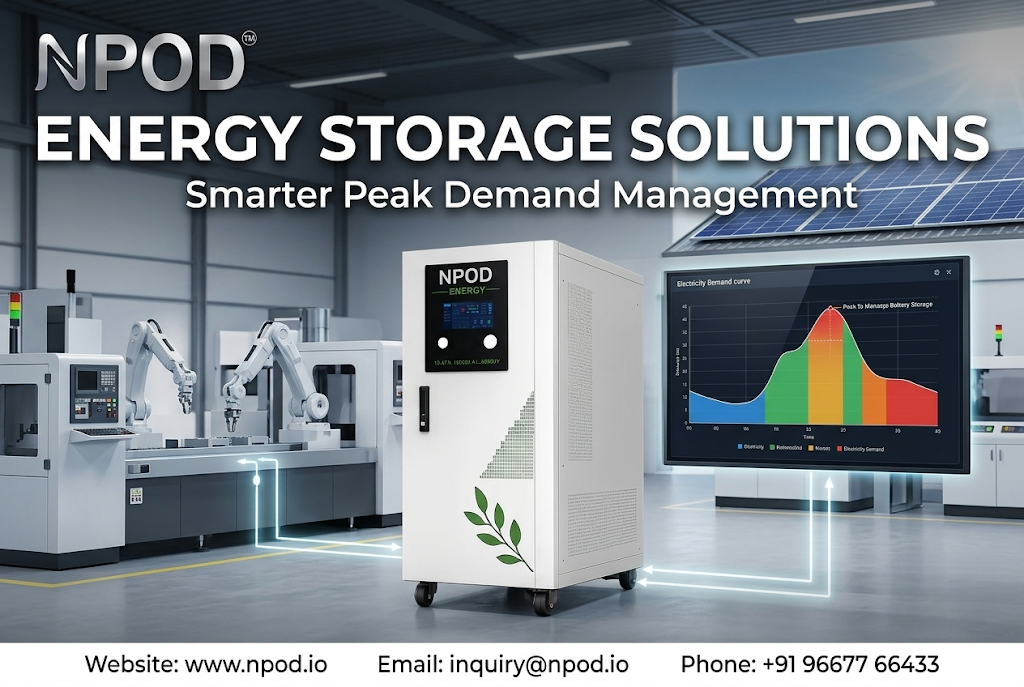
Industrial facilities often use different amounts of electricity throughout the day. Production shifts, heavy machinery and cooling systems can create periods of high electricity demand. Energy storage solutions help businesses manage these changing requirements by storing electricity when it is available and using it when demand increases. Battery Energy Storage Systems (BESS) can support peak demand management, renewable energy use and better control over electricity consumption. Businesses exploring these options can learn more about industrial battery energy storage systems and how they can support modern power infrastructure.
What Is Peak Electricity Demand?
Peak electricity demand refers to the highest level of electrical power a facility uses during a particular period.
For a manufacturing plant, demand may increase when several machines operate together. A commercial facility may experience higher demand when air conditioning, lighting and other equipment run at the same time.
This creates an energy management challenge. A facility may use less electricity during some hours but require much more power during busy production periods.
Depending on the electricity tariff, high demand can also increase the facility's electricity bill. Some commercial and industrial tariffs include demand charges based on recorded maximum demand.
Understanding this pattern is the first step towards better energy planning.
How Battery Storage Helps Manage Peak Demand
A Battery Energy Storage System stores electrical energy and releases it when required. Instead of drawing all the required power from the grid during high-demand periods, a business can use stored energy to support part of its electrical load.
This approach is commonly known as peak shaving.
For example, consider a factory that operates several production machines during its busiest shift. When electricity demand rises, a properly configured battery system can discharge stored energy and reduce the power drawn from the grid.
The system must be designed around the facility's actual load profile. Battery power capacity determines how much load it can support at a given moment while battery energy capacity affects how long it can provide that support.
Both factors matter when planning a storage installation.
Three Ways Industrial Businesses Can Use Energy Storage
1. Reduce Maximum Grid Demand
A battery system can discharge during selected high-demand periods. This may help a facility reduce its recorded maximum grid demand when the battery is correctly sized and controlled.
However, the financial benefit depends on the electricity tariff, demand measurement rules, battery efficiency and charging costs.
Businesses should review their electricity bills before investing in peak shaving equipment.
2. Store Excess Solar Electricity
Industrial facilities with rooftop solar installations may generate more electricity than they can use at certain times.
A compatible battery system can store some of this surplus energy for later use. The stored electricity may then support operations when solar generation falls or electricity demand rises.
This can improve the use of on-site renewable generation. The actual benefit depends on solar output, battery capacity, system losses and the facility's operating schedule.
3. Support Energy Supply During Grid Interruptions
Battery storage can also support selected electrical loads when the main electricity supply is interrupted.
This is particularly useful when a facility needs to maintain essential operations or protect sensitive equipment.
The backup arrangement must be designed for the required load and operating duration. A battery system intended for peak shaving should not automatically be assumed to provide sufficient backup during a long outage.
How to Plan the Right Battery Storage Capacity
Selecting battery capacity without studying electricity consumption can lead to an unsuitable installation.
Industrial businesses should review the following factors.
Study the Load Profile
Collect electricity consumption and demand information at suitable time intervals. Identify when demand rises and how long those periods last.
This helps determine when the battery should charge and discharge.
Separate Power Capacity from Energy Capacity
Power capacity is measured in kilowatts (kW) and describes how much power a system can deliver at a particular time.
Energy capacity is measured in kilowatt-hours (kWh) and describes how much energy the battery can store.
A system may have enough stored energy but still lack the power output needed to support a large industrial load.
Review Battery Operating Limits
Battery performance depends on its technology, operating temperature, charging method and depth of discharge.
The design should account for usable capacity rather than relying only on the battery's stated nominal capacity.
Plan for Future Demand
A business may add machinery or increase production in the coming years. Storage planning should consider expected changes in electricity consumption.
A scalable design can make future expansion easier, provided the electrical infrastructure supports it.
Why Battery Monitoring Is Important
A battery storage system needs proper monitoring and control to operate effectively.
A Battery Management System (BMS) monitors battery conditions such as voltage and temperature. It helps manage charging and discharging while identifying abnormal operating conditions.
An Energy Management System (EMS) can coordinate the operation of the battery with other power sources and facility demand.
Together, these systems help operators understand battery performance and manage energy usage according to the facility's operating requirements.
Regular inspections and maintenance remain important for long-term system reliability.
Conclusion: Make Peak Demand Part of Your Energy Strategy
Peak electricity demand can affect both industrial operating costs and power planning. Battery storage gives businesses another way to manage when electricity is used and where it comes from.
The best results start with accurate load data, suitable battery sizing and a clear operating plan.
If your business is evaluating energy storage for peak demand management, backup power or renewable energy integration, explore NPOD Energy's BESS, lithium battery and hybrid power solutions. Visit the website to discuss your facility's energy requirements.
Frequently Asked Questions
1. How do energy storage solutions reduce peak electricity demand?
A battery system stores electricity and discharges it during high-demand periods. This can reduce the amount of power a facility draws from the grid at those times.
2. Can industrial batteries store excess solar electricity?
Yes. A compatible battery system can store surplus solar generation for later use, subject to system capacity and operating conditions.
3. Is battery storage suitable for every industrial facility?
Not necessarily. Suitability depends on the facility's load profile, electricity tariff, operating schedule, backup requirements and project economics.
