Energy Efficiency Audits: Turning Utility Costs into Capital Expenditure
Author : Daniel Sparks | Published On : 30 Jul 2026
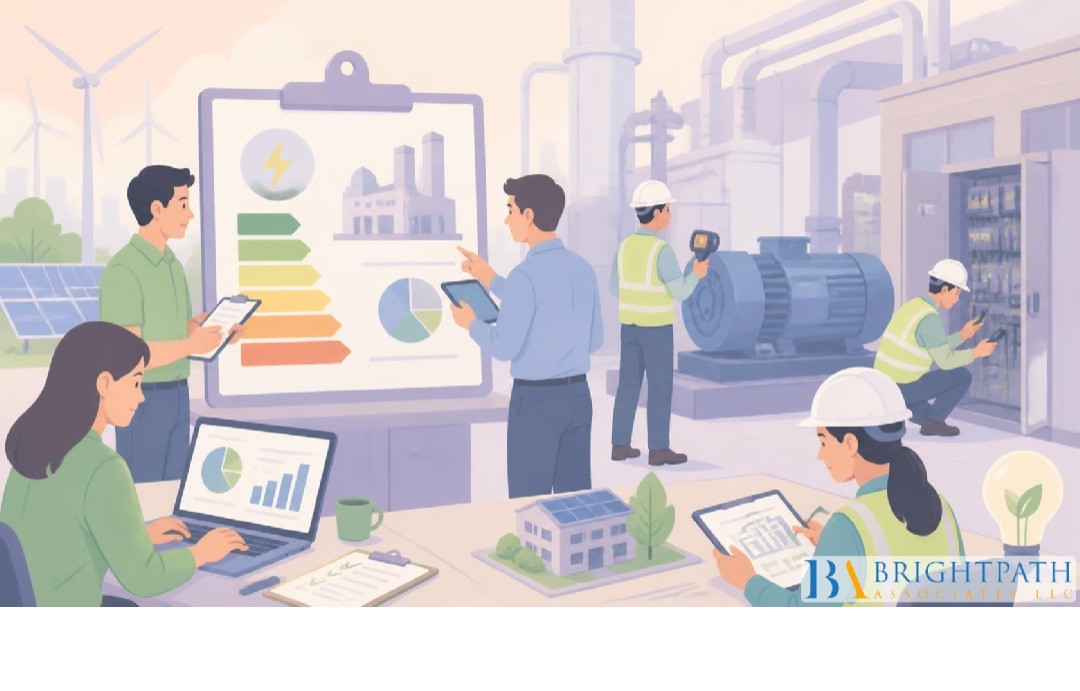
In today's competitive manufacturing landscape, energy costs have become one of the most significant operational expenses for plastics manufacturers across the United States. Escalating electricity prices, rising fuel costs, and increasing pressure to adopt sustainable manufacturing practices are forcing companies to rethink how they manage energy consumption. Rather than viewing utility bills as an unavoidable expense, successful organizations are treating them as an opportunity to improve operational efficiency and generate long-term financial returns. An energy efficiency audit is one of the most effective tools available to identify hidden inefficiencies, reduce operating costs, and transform recurring utility expenses into strategic capital investments that support future growth.
For small and mid-sized plastics manufacturers, every dollar saved on energy can be redirected toward improving production capabilities, upgrading equipment, expanding facilities, or investing in workforce development. An energy efficiency audit provides a comprehensive evaluation of how energy is consumed throughout a manufacturing facility, including production equipment, compressed air systems, lighting, heating and cooling systems, process controls, and overall plant operations. Instead of simply recommending ways to lower energy usage, these audits help organizations optimize production while maintaining product quality and operational reliability. Businesses looking to strengthen their operational capabilities and workforce can also learn more about the Plastics industry.
Plastic manufacturing processes such as injection molding, extrusion, blow molding, thermoforming, rotational molding, and recycling require substantial amounts of electricity and thermal energy. Since production lines often operate continuously, even small inefficiencies can result in significant financial losses over time. Aging machinery, inefficient motors, compressed air leaks, outdated lighting systems, excessive machine idle time, poor insulation, and inconsistent preventive maintenance practices all contribute to unnecessary energy consumption. An energy efficiency audit identifies these hidden issues and provides practical recommendations that allow manufacturers to reduce waste while improving productivity.
One of the greatest advantages of an energy efficiency audit is its ability to convert ongoing operational expenses into investments that deliver measurable returns. Instead of paying increasingly higher utility bills year after year, manufacturers can invest in energy-efficient motors, variable frequency drives, smart automation systems, advanced monitoring technologies, LED lighting, efficient cooling equipment, and heat recovery systems. While these upgrades require initial capital, the resulting reduction in energy consumption often produces attractive returns on investment within a relatively short period. Over time, the savings generated by these improvements continue to strengthen profitability while enhancing overall operational performance.
The benefits of energy efficiency extend well beyond lower utility bills. Modern, energy-efficient equipment typically experiences less wear and tear, resulting in fewer unexpected breakdowns and reduced maintenance costs. Improved equipment reliability minimizes production interruptions and helps companies meet customer delivery schedules more consistently. At the same time, efficient manufacturing processes often increase production output without requiring proportional increases in operating expenses, allowing businesses to maximize the value of their existing assets. These operational improvements not only reduce costs but also create a more resilient manufacturing environment capable of adapting to changing market conditions.
Sustainability has also become a major competitive advantage for plastics manufacturers. Customers, investors, and business partners increasingly expect organizations to demonstrate environmental responsibility and reduce their carbon footprint. By lowering energy consumption, manufacturers decrease greenhouse gas emissions while improving their environmental performance. Companies that prioritize energy efficiency often strengthen their reputation within the marketplace, making them more attractive to customers seeking responsible suppliers and partners. In many cases, sustainability initiatives also improve compliance with evolving environmental regulations and support broader corporate social responsibility goals.
While technology plays a critical role in improving energy efficiency, experienced professionals remain the driving force behind successful implementation. Engineers, maintenance managers, plant managers, operations leaders, and continuous improvement specialists are responsible for evaluating production data, implementing process improvements, monitoring equipment performance, and ensuring that efficiency initiatives deliver measurable business results. Hiring professionals with expertise in manufacturing optimization enables organizations to fully realize the value of their energy investments while maintaining operational excellence.
Creating a culture of continuous improvement is equally important. Energy efficiency should not be viewed as a one-time project but rather as an ongoing commitment to operational excellence. Organizations that encourage employees to identify inefficiencies, report equipment issues promptly, follow preventive maintenance schedules, and recommend process improvements often achieve significantly better long-term results. When employees understand how energy conservation directly contributes to company growth and profitability, they become active participants in achieving operational goals.
The growing adoption of digital manufacturing technologies has made energy management more sophisticated than ever before. Real-time monitoring systems, smart sensors, Industrial Internet of Things (IIoT) platforms, and advanced analytics enable manufacturers to monitor energy consumption continuously, identify abnormal usage patterns, predict equipment failures, and evaluate the return on investment of efficiency improvements. Access to accurate operational data allows decision-makers to prioritize capital investments more effectively while supporting continuous optimization across manufacturing operations.
As manufacturing technologies continue to evolve, the demand for experienced engineering and operational leadership continues to increase. Plastics manufacturers investing in automation, sustainability initiatives, digital transformation, and energy optimization require talented professionals capable of leading these complex initiatives. Building high-performing teams with expertise in operations, maintenance, engineering, quality assurance, and executive leadership is essential for maximizing both operational efficiency and long-term business growth. Organizations seeking qualified professionals to support these initiatives can benefit from specialized recruitment expertise tailored to the plastics manufacturing sector.
Manufacturers interested in learning more about strategies for reducing energy costs and improving operational performance can explore BrightPath Associates' detailed resource on Energy Efficiency Audits Turning Utility Costs. The resource provides additional insights into identifying energy-saving opportunities, improving operational efficiency, and transforming recurring utility expenses into valuable long-term investments.
Ultimately, energy efficiency audits have become an essential business strategy rather than simply an operational exercise. Companies that proactively identify inefficiencies, invest in modern technologies, and develop skilled leadership teams are better positioned to improve profitability, enhance sustainability, and remain competitive in a rapidly evolving manufacturing environment. For plastics manufacturers, reducing energy waste creates opportunities to strengthen financial performance while supporting innovation, operational resilience, and long-term success.
How is your organization approaching energy efficiency and operational improvement? Have you completed an energy efficiency audit or identified opportunities to reduce manufacturing costs? Share your experiences, insights, or questions in the comments below. If your plastics manufacturing company is looking to strengthen its leadership team with experienced engineering, operations, manufacturing, or executive professionals, BrightPath Associates LLC is ready to help you find the talent needed to drive sustainable growth and operational excellence.
