Energy as Service: Innovative Power Models for Beverage Plants
Author : Jimmy Patel | Published On : 08 Oct 2026
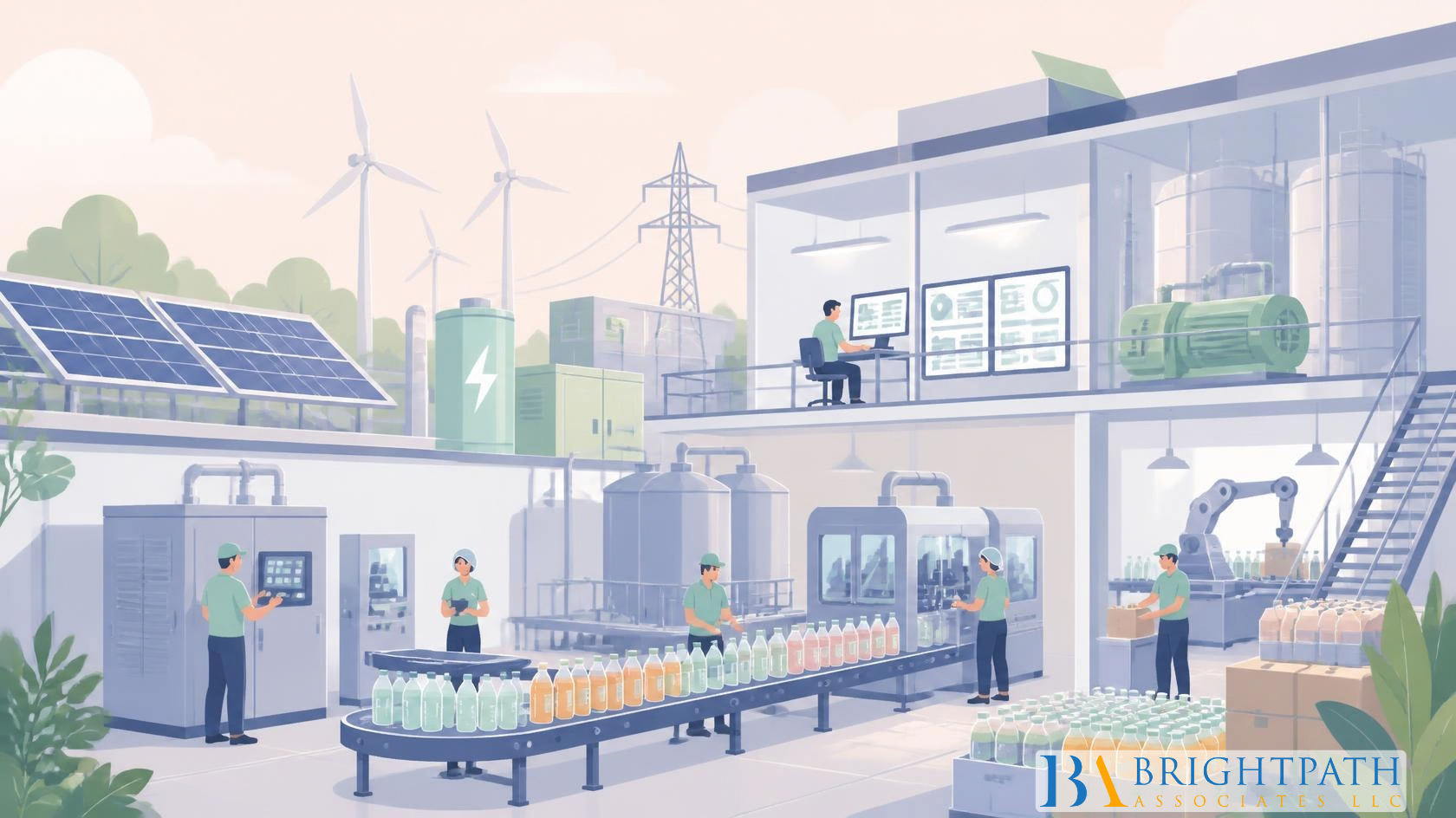
The beverage manufacturing industry operates in an environment where production continuity, energy efficiency, and cost control are closely connected. From refrigeration and compressed air to water treatment, filling, packaging, and material handling, beverage plants depend on energy-intensive systems that must perform consistently around the clock. As energy prices fluctuate and sustainability expectations increase, manufacturers are beginning to reconsider not only how they consume power, but also how they purchase, manage, and optimize it.
This is where the concept of Energy as a Service (EaaS) is gaining attention. Instead of treating energy infrastructure solely as a capital investment, EaaS introduces models in which specialized providers can manage energy assets, optimization technologies, and performance outcomes. When combined with industrial automation, this approach can create a more intelligent and responsive energy ecosystem for beverage manufacturers.
Moving Beyond Traditional Energy Management
Traditional energy management in manufacturing often focuses on reducing consumption through equipment upgrades, maintenance programs, and operational adjustments. While these approaches remain important, modern plants have access to much more detailed information about how, when, and where energy is being consumed.
Industrial automation creates the foundation for this visibility. Sensors, programmable logic controllers, supervisory control systems, smart meters, and connected equipment can continuously collect operational data. Manufacturers can then identify energy-intensive processes, abnormal consumption patterns, equipment inefficiencies, and opportunities for load optimization.
That distinction can have significant financial implications for small and mid-sized manufacturers operating with tighter margins.
Why Beverage Plants Are Well Suited to Energy as a Service
Beverage production contains multiple processes where energy consumption can be measured, controlled, and optimized. Refrigeration systems, boilers, air compressors, pumps, conveyors, filling equipment, packaging machinery, and wastewater systems can all contribute significantly to the plant's energy footprint.
An EaaS model can potentially allow manufacturers to work with specialized providers that finance, operate, or optimize energy infrastructure while helping the plant focus on its core production objectives. Depending on the arrangement, this could include technologies such as distributed energy resources, energy storage, advanced monitoring systems, demand-response capabilities, or efficiency upgrades.
For example, an automated energy-management platform could analyze production schedules and adjust certain energy-intensive processes around demand patterns. Similarly, connected control systems can identify equipment operating outside expected parameters and alert maintenance teams before energy waste becomes a larger operational problem.
The Role of Smart Manufacturing
The growth of Energy as a Service also demonstrates why industrial automation is evolving beyond machine control. Today's connected manufacturing environment increasingly links production equipment, energy systems, analytics platforms, and enterprise-level decision-making.
Manufacturers exploring these opportunities can benefit from understanding the broader Industrial Automation Industry and how technologies such as IIoT, AI-driven analytics, control systems, robotics, and digital monitoring are influencing modern industrial operations.
For smaller manufacturers, this can be especially important. They may not have the resources of large multinational producers to build extensive internal energy-management teams. Service-based models can potentially provide access to technology and expertise without requiring every capability to be developed internally.
From Capital Expenditure to Performance Thinking
One of the most interesting aspects of Energy as a Service is its potential to change how manufacturers think about energy infrastructure. Historically, companies have often evaluated energy projects primarily through capital expenditure, payback periods, and equipment ownership. Service-oriented models introduce another perspective: performance.
Instead of asking only how much a new system costs, executives can evaluate how the solution affects energy intensity, uptime, operating expenses, production resilience, and long-term sustainability.
This approach can encourage manufacturers to think more strategically about energy investments. A technology that appears expensive when viewed solely as an equipment purchase may become more attractive when evaluated according to measurable operational outcomes.
The concept is explored further in BrightPath Associates' article, Energy as a Service: Innovative Power Models for Beverage Plants, which examines how alternative energy models can influence the future of beverage manufacturing.
Conclusion: Building Smarter, More Resilient Plants
Energy as a Service represents a broader shift in the way manufacturers can approach energy infrastructure and operational performance. For beverage plants, where refrigeration, processing, utilities, and packaging can create substantial energy demands, the combination of service-based energy models and industrial automation offers an opportunity to rethink traditional operating strategies.
The real opportunity lies beyond simply lowering electricity consumption. Intelligent energy management can provide manufacturers with greater visibility, improved operational decision-making, stronger resilience, and potentially better long-term cost control. But technology alone cannot deliver these outcomes. Organizations need leaders who understand both the technical architecture and the commercial objectives behind transformation.
If your company is building its next generation of automation, digital transformation, or energy-management capabilities, BrightPath Associates LLC can help you identify the specialized leadership talent needed to turn these strategies into operational results. Start a conversation with our team and explore how the right executive talent can accelerate your next phase of industrial growth.
