Embracing Industry 4.0: Transforming Manufacturing Operations
Author : Ross Lichtig | Published On : 21 Apr 2026
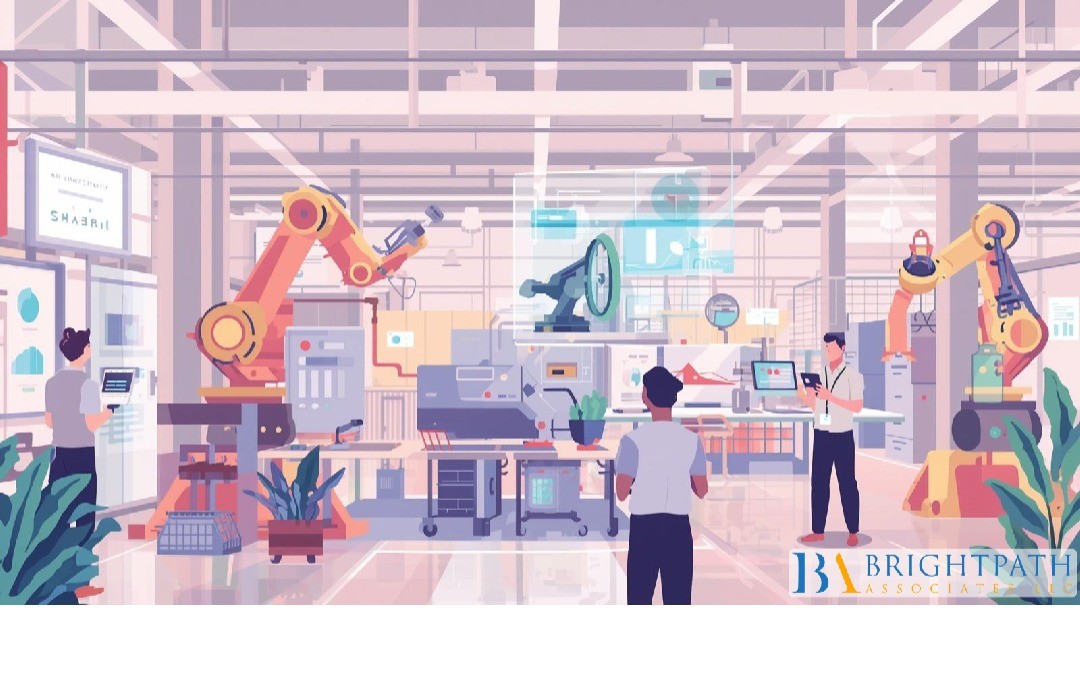
The manufacturing landscape within the electronic and electrical industry is undergoing a profound shift, driven by the rise of Industry 4.0—a transformation that is redefining how organizations operate, compete, and grow. No longer confined to traditional production models, manufacturers are now embracing a new era where digital technologies, automation, and data-driven decision-making converge to create smarter, more efficient operations. At its core, Industry 4.0 represents the integration of advanced technologies such as artificial intelligence, the Internet of Things (IoT), cloud computing, and data analytics into manufacturing processes, enabling organizations to connect physical operations with digital intelligence and unlock unprecedented levels of productivity and innovation.
For companies operating in the electronic and electrical manufacturing sector, this transformation is not just an opportunity—it is a necessity. Increasing customer expectations, shorter product lifecycles, and global competition are forcing organizations to rethink their operational strategies. Industry 4.0 enables manufacturers to move beyond reactive processes toward proactive, predictive, and even autonomous operations. Through real-time data monitoring and interconnected systems, companies gain enhanced visibility across their entire value chain, allowing them to identify inefficiencies, optimize performance, and respond quickly to changing market demands. This level of agility is critical in an industry where precision, speed, and adaptability determine success.
One of the most significant advantages of Industry 4.0 is its ability to drive operational efficiency and productivity. Smart factories equipped with sensors, automation tools, and advanced analytics can operate with minimal downtime, reducing waste and maximizing output. Predictive maintenance, for example, allows organizations to monitor equipment health in real time and address potential issues before they lead to costly disruptions. Additionally, automated processes reduce human error, improve product quality, and streamline workflows, enabling manufacturers to produce more with fewer resources. These efficiencies not only enhance profitability but also create a strong foundation for sustainable growth in a highly competitive market.
Another key benefit of Industry 4.0 is its impact on supply chain optimization. Traditional supply chains often operate in silos, with limited visibility and communication between different stages of production. Industry 4.0 breaks down these barriers by creating a connected ecosystem where data flows seamlessly across the entire supply chain. This connectivity enables real-time tracking of materials, improved inventory management, and better coordination between suppliers and manufacturers. As a result, companies can anticipate disruptions, reduce lead times, and deliver products more efficiently to customers. In an industry where delays and inefficiencies can significantly impact profitability, such capabilities provide a critical competitive advantage.
However, the journey toward Industry 4.0 is not without its challenges. Many organizations struggle with integrating new technologies into legacy systems, managing the complexity of large-scale data, and addressing cybersecurity risks associated with increased connectivity. Additionally, the initial investment required for digital transformation can be substantial, particularly for small to mid-sized enterprises. Despite these challenges, the long-term benefits far outweigh the costs. Companies that successfully navigate this transition are better positioned to innovate, scale, and adapt to future disruptions.
Beyond technology, one of the most critical factors in successfully implementing Industry 4.0 is talent. The shift toward digital manufacturing requires a workforce equipped with new skills, including data analysis, automation engineering, and digital system management. As the industry evolves, there is a growing demand for professionals who can bridge the gap between technology and business strategy. This creates both an opportunity and a challenge for organizations—while the need for skilled talent is increasing, finding and retaining the right individuals is becoming increasingly difficult. Companies that invest in talent development and strategic recruitment are more likely to succeed in their transformation efforts and maintain a competitive edge.
In this context, executive recruitment plays a pivotal role in enabling Industry 4.0 transformation. Organizations need leaders who not only understand advanced technologies but also possess the vision and strategic mindset to implement them effectively. These leaders must be capable of driving cultural change, fostering innovation, and aligning digital initiatives with business objectives. For small to mid-sized companies, partnering with specialized recruitment firms can provide access to a broader talent pool and help identify candidates with the expertise required to lead transformation initiatives. This alignment between talent and strategy is essential for achieving long-term success in a rapidly evolving industry.
Moreover, Industry 4.0 is also reshaping how companies approach innovation and product development. With access to real-time data and advanced analytics, manufacturers can gain deeper insights into customer preferences, market trends, and product performance. This enables them to design and develop products that are more aligned with customer needs, reducing time-to-market and increasing customer satisfaction. Additionally, technologies such as digital twins and simulation tools allow companies to test and optimize products before production, minimizing risks and improving overall efficiency. These capabilities are particularly valuable in the electronic and electrical industry, where precision and innovation are critical.
For organizations looking to stay ahead in this evolving landscape, understanding the broader dynamics of the industry is essential. Exploring key trends, challenges, and opportunities within the sector can provide valuable insights for strategic decision-making. To gain a deeper perspective on how the electronic and electrical manufacturing space is evolving.
At the same time, gaining a detailed understanding of how Industry 4.0 is transforming manufacturing operations can help leaders make informed decisions about their digital transformation strategies. For a comprehensive view on this topic, you can refer to the original blog here: Embracing Industry 4.0.
Ultimately, Industry 4.0 is not just a technological shift—it is a strategic transformation that is redefining the future of manufacturing. Companies that embrace this change and invest in the right technologies, processes, and talent will be better positioned to thrive in an increasingly competitive and dynamic market. The question for today’s leaders is not whether to adopt Industry 4.0, but how quickly and effectively they can implement it to drive growth and innovation.
So, where does your organization stand in this transformation journey? Are you leveraging the full potential of digital manufacturing, or are you facing challenges that are slowing your progress? More importantly, do you have the right leadership and talent in place to turn your Industry 4.0 vision into reality? The answers to these questions will shape your organization’s future. Now is the time to take action, rethink your strategy, and position your business for success in the era of smart manufacturing.
