Electrical Test Equipment: 10 Essential Tools Every Technician Needs
Author : CHK Shop | Published On : 17 Apr 2026
.jpg)
Electrical work is not just about fixing wires or installing systems—it’s about accuracy, safety, and reliability. Whether you are a professional electrician, field technician, or engineer, using the right electrical test equipment helps you perform tasks efficiently and avoid costly mistakes.
From basic tools to advanced electronic measurement equipment, each device plays a key role in testing, diagnosing, and maintaining electrical systems. Without proper tools, even simple tasks can become time-consuming and risky.
In this guide, we’ll walk through the most essential tools every technician should have and how they make your work easier.
Key Takeaways
-
Electrical test equipment improves safety and accuracy during work
-
Different tools are designed for specific measurements like voltage, current, and resistance
-
Accessories such as clips and leads enhance usability and convenience
-
Organized storage like tool bags helps save time and reduce clutter
-
High-quality tools offer better performance and long-term reliability
-
Using the right equipment reduces errors and improves overall efficiency
1. Digital Multimeter
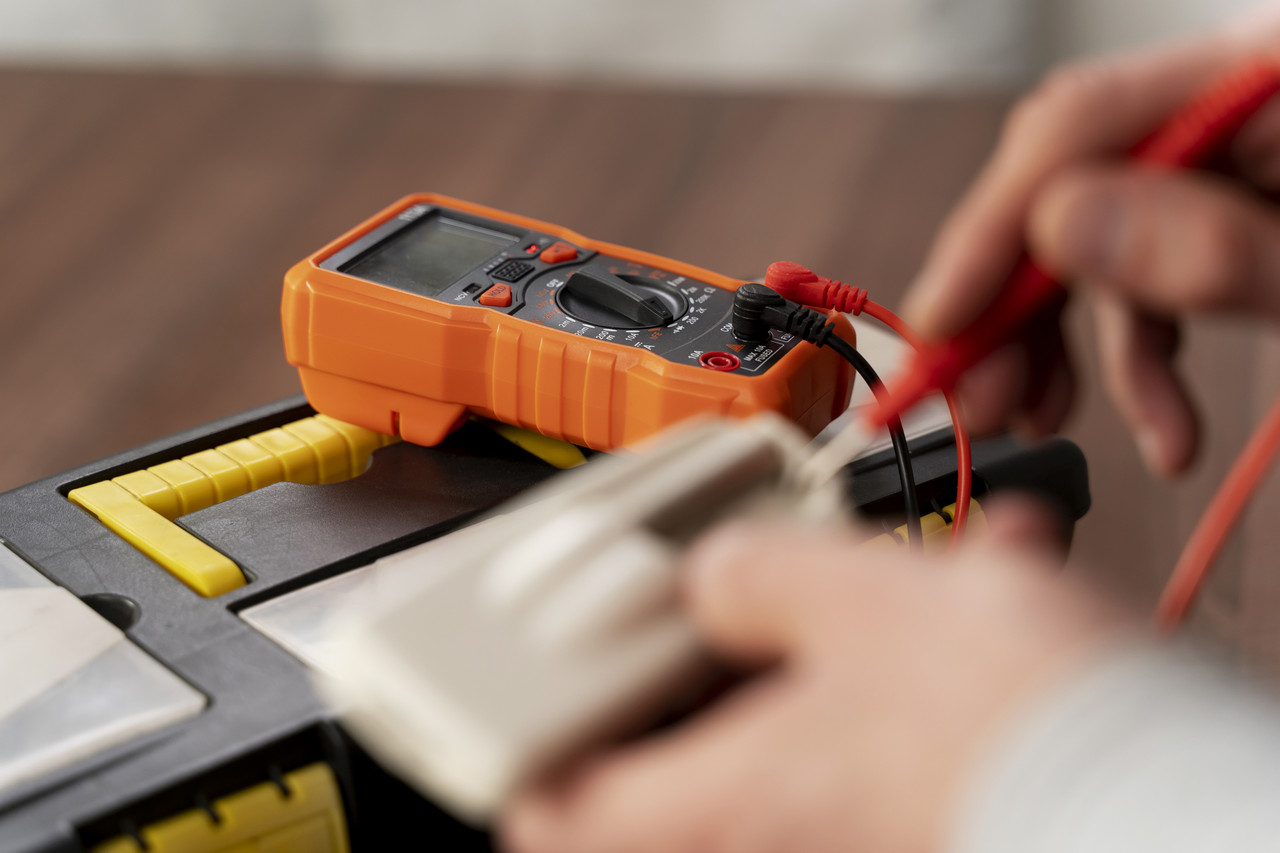
A digital multimeter is one of the most important tools in any technician’s toolkit. It is a versatile device used to measure voltage, current, and resistance in electrical circuits.
Modern multimeters come with advanced features such as auto-ranging, backlit displays, and data hold functions, making them easy to use in different environments. Whether you are troubleshooting a faulty circuit or checking battery levels, this tool provides accurate and quick readings.
Why it’s important:
-
Combines multiple functions in one device
-
Suitable for both simple and complex testing
-
Helps identify electrical faults quickly and efficiently
2. Clamp Meter
Clamp meters are designed to measure current without the need to disconnect wires. This makes them extremely useful for working with high-current systems where direct contact can be dangerous.
They are widely used in industrial environments where safety is a priority. With a clamp meter, you can simply clamp around a conductor and get accurate readings instantly.
Key benefits:
-
Non-contact current measurement improves safety
-
Ideal for heavy-duty electrical systems
-
Saves time by avoiding circuit interruption
3. Insulation Tester
An insulation tester is used to check the quality and strength of insulation in electrical systems. Poor insulation can lead to leakage currents, short circuits, and even electrical hazards.
This tool applies a high voltage to test insulation resistance, helping technicians detect hidden issues before they become serious problems.
Best for:
-
Preventing electrical failures
-
Ensuring long-term safety of systems
-
Identifying weak insulation in cables and equipment
4. Voltage Tester
A voltage tester is a simple yet essential tool for checking whether a circuit is live. It is often the first tool used before starting any electrical work to ensure safety.
Compact and easy to use, voltage testers are ideal for quick checks in residential and commercial settings. They help technicians avoid accidental shocks and ensure safe working conditions.
Why technicians use it:
-
Quick and reliable results
-
Lightweight and portable
-
Essential for safety verification before handling circuits
5. Power Quality Analyzer
A power quality analyzer is an advanced type of electronic measurement equipment used to monitor and analyze electrical systems. It helps detect issues such as voltage fluctuations, harmonics, and power disturbances.
This tool is commonly used in industries where consistent power supply is critical. By identifying problems early, it helps improve system performance and prevent downtime.
Key uses:
-
Monitoring electrical performance
-
Diagnosing complex power issues
-
Improving energy efficiency in systems
6. Multimeter Leads with Clips
While standard probes are useful, multimeter leads with clips provide added convenience and stability during testing. These clips allow you to attach the leads securely to a circuit, freeing up your hands.
This is especially helpful when taking long readings or working in tight spaces. It reduces the chances of slipping connections and ensures more accurate measurements.
Advantages:
-
Hands-free operation for better control
-
Secure and stable connections
-
Ideal for repetitive or extended testing tasks
7. Electrical Crocodile Clips
Electrical crocodile clips are small but highly practical tools that every technician should have. They are used to create temporary electrical connections during testing or prototyping.
These clips are easy to attach and remove, making them perfect for quick setups. Despite their size, they play a big role in improving efficiency during electrical work.
Why they matter:
-
Quick and easy connections
-
Useful for testing and temporary setups
-
Saves time during troubleshooting
8. Circuit Tester
A circuit tester is used to check whether electrical circuits are functioning properly. It helps identify issues such as broken connections, faulty wiring, or incorrect installations.
This tool is commonly used in homes, offices, and industrial environments. It provides quick results and helps technicians fix problems without delay.
Benefits:
-
Fast fault detection
-
Easy to use even for basic testing
-
Reliable for everyday electrical checks
9. Thermal Imaging Camera
A thermal imaging camera is an advanced tool that detects heat patterns in electrical systems. It helps identify overheating components, loose connections, and potential failures before they occur.
This tool is especially useful for preventive maintenance, allowing technicians to fix issues before they cause damage or downtime.
Best for:
-
Detecting hidden electrical faults
-
Preventing equipment failure
-
Improving safety and system reliability
10. Tool Bag for Technicians
A tool bag for technicians may not be a testing device, but it plays a crucial role in organizing and carrying equipment. A well-organized tool bag helps you work more efficiently and keeps your tools safe.
With multiple compartments and durable design, it allows easy access to tools while working on-site.
Why it’s essential:
-
Keeps tools organized and protected
-
Easy to carry between job locations
-
Saves time by reducing clutter
Choosing the Right Electrical Test Equipment
Selecting the right electrical test equipment depends on your specific needs and type of work. Using the wrong tools can lead to inaccurate results and potential safety risks.
Things to consider:
-
Nature of your work (residential, commercial, or industrial)
-
Accuracy and reliability of the tool
-
Safety features and certifications
-
Build quality and durability
-
Compatibility with accessories like leads and clips
Investing in the right tools ensures better performance and helps you work with confidence.
Benefits of Using Quality Testing Equipment
Using high-quality electronic measurement equipment provides several advantages that directly impact your work.
-
Accurate and consistent measurements
-
Improved safety for technicians
-
Faster troubleshooting and repairs
-
Reduced downtime and maintenance costs
-
Professional and reliable results
Good tools not only improve your efficiency but also enhance your reputation as a professional.
Final Thoughts
Electrical work requires precision, and the right tools make all the difference. From essential devices like multimeters and clamp meters to accessories like electrical crocodile clips and multimeter leads with clips, every tool has its purpose.
Having well-organized storage like a tool bag for technicians and investing in reliable electronic measurement equipment ensures smoother operations and better results.
If you are looking for durable and professional-grade testing tools, CHK Shop offers a wide range of electrical test equipment and accessories designed to meet the everyday needs of technicians and engineers.
FAQs
1. What is electrical test equipment used for?
Electrical test equipment is used to measure, monitor, and troubleshoot electrical systems to ensure they are safe and functioning correctly.
2. Which tool is most important for electricians?
A digital multimeter is one of the most important tools because it can measure voltage, current, and resistance in one device.
3. What are electrical crocodile clips used for?
They are used to create temporary connections in circuits, making testing and setup faster and easier.
4. Why use multimeter leads with clips?
They provide a secure connection and allow hands-free testing, improving accuracy and convenience.
5. Why is a tool bag important for technicians?
A tool bag helps organize tools, protect them from damage, and makes it easier to carry everything needed for the job.
